- Introduction
- Understanding LGBTQ+ Rights
- Historical Evolution of LGBTQ+ Rights
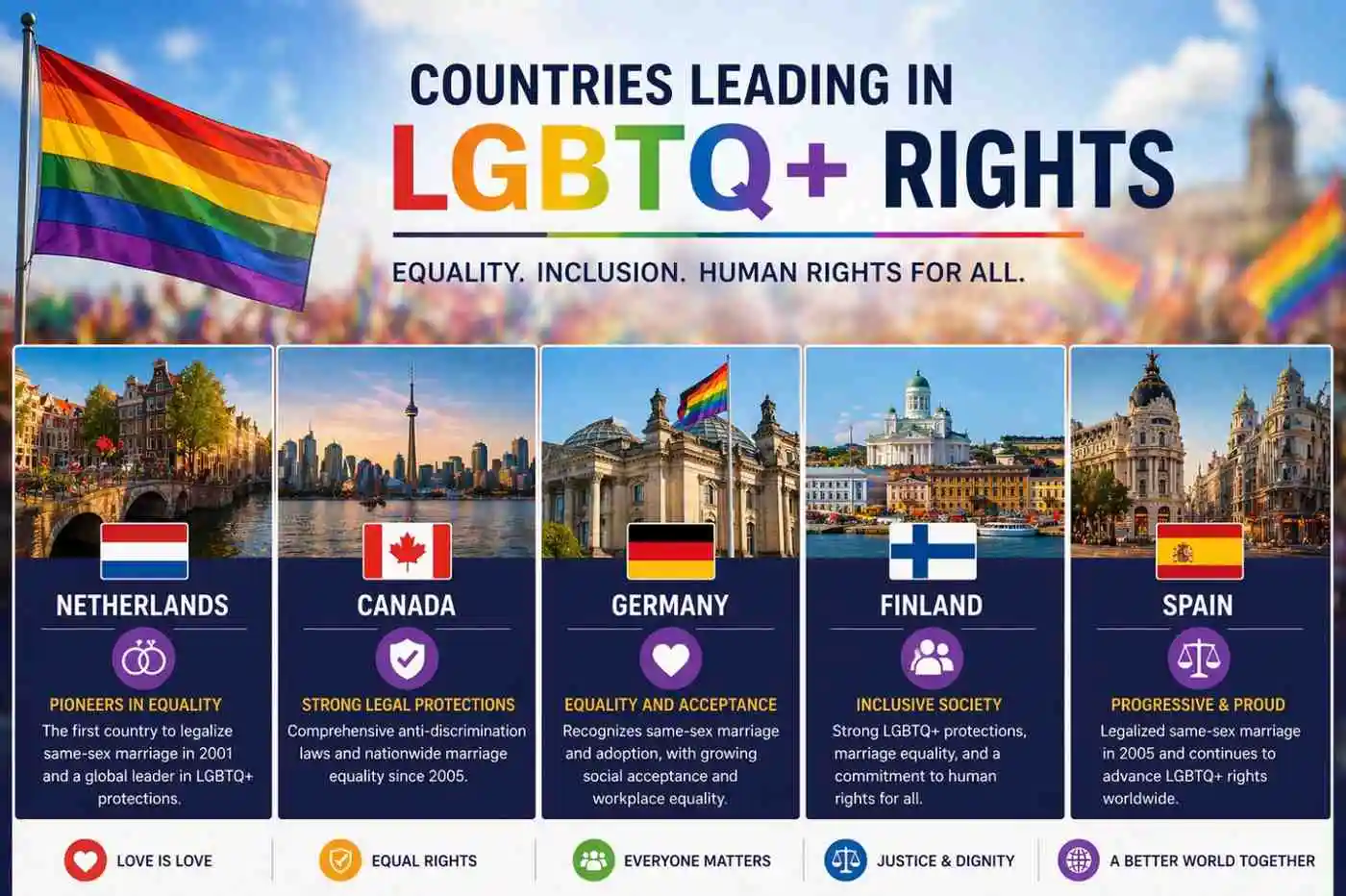
- Countries Leading in LGBTQ+ Rights
- Regions with Partial Recognition
- Countries Where LGBTQ+ Identities Are Criminalized
- Role of International Organizations
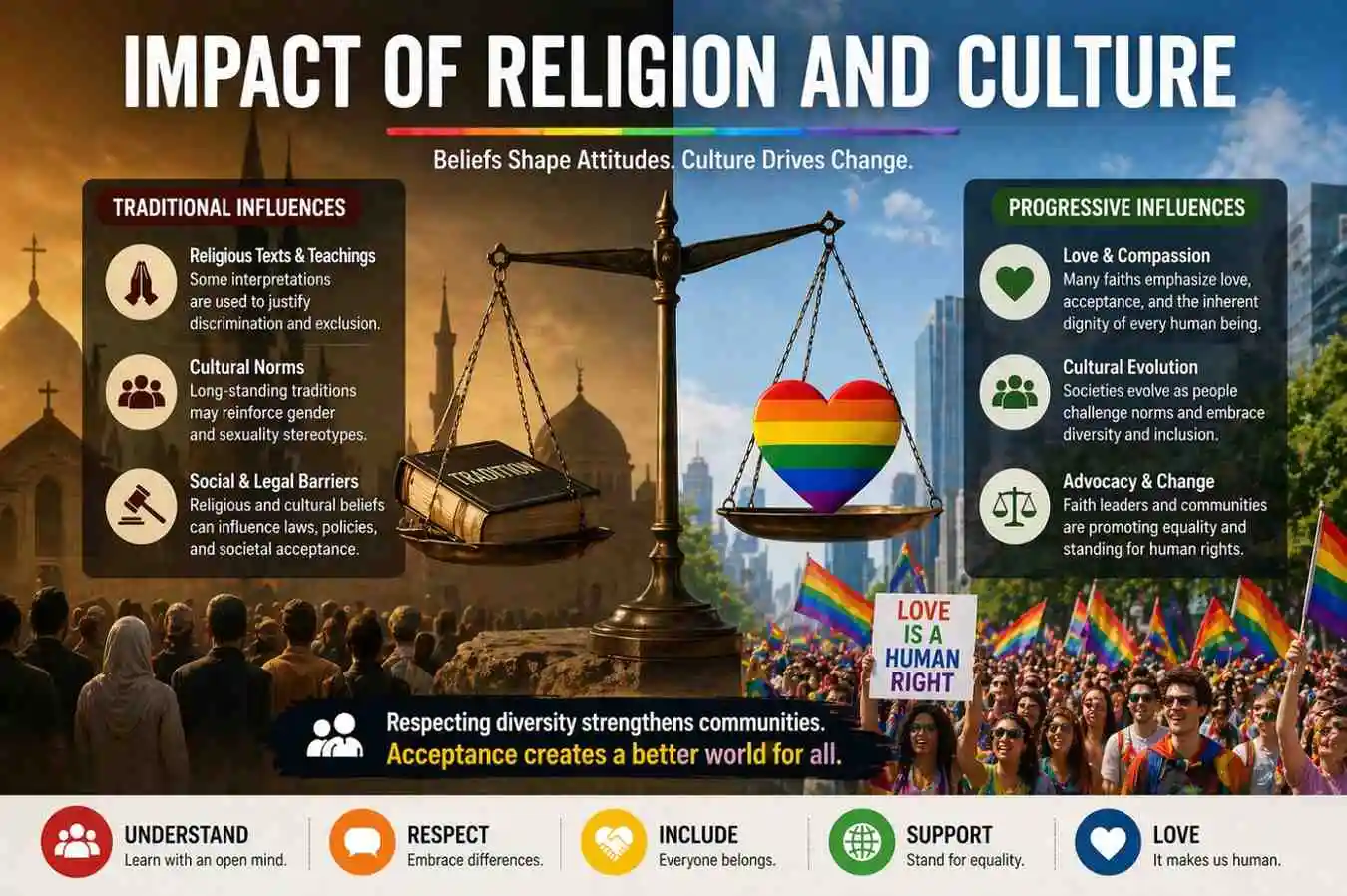
- Impact of Religion and Culture
- LGBTQ+ Rights in Asia
- LGBTQ+ Rights in Europe
- LGBTQ+ Rights in the Americas
- LGBTQ+ Rights in Africa
- The Role of Media and Technology
- Economic Impact of LGBTQ+ Inclusion
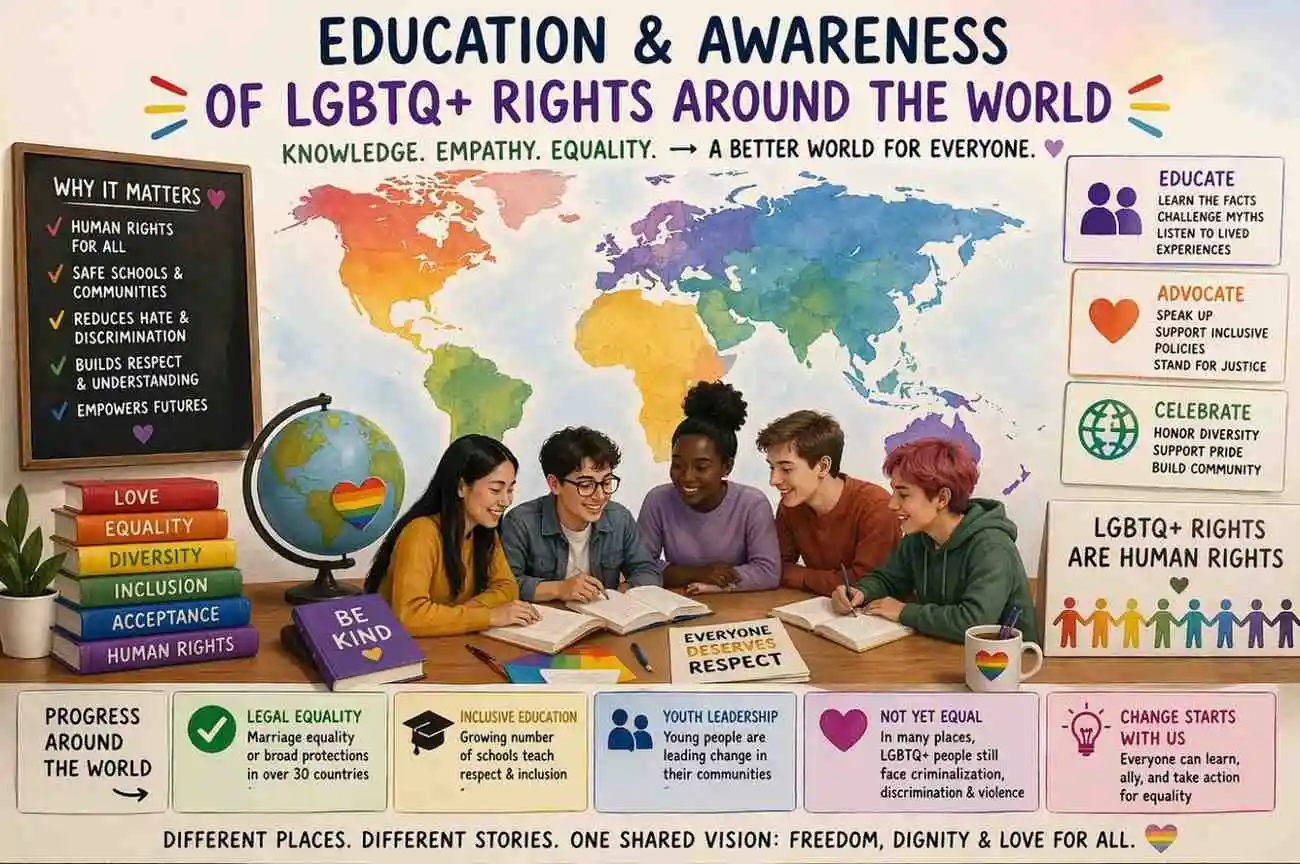
- Education and Awareness
- Health and Well-being
- Legal Milestones in Recent Years
- Challenges That Still Exist
- The Future of LGBTQ+ Rights
- How Individuals Can Support LGBTQ+ Rights
Introduction
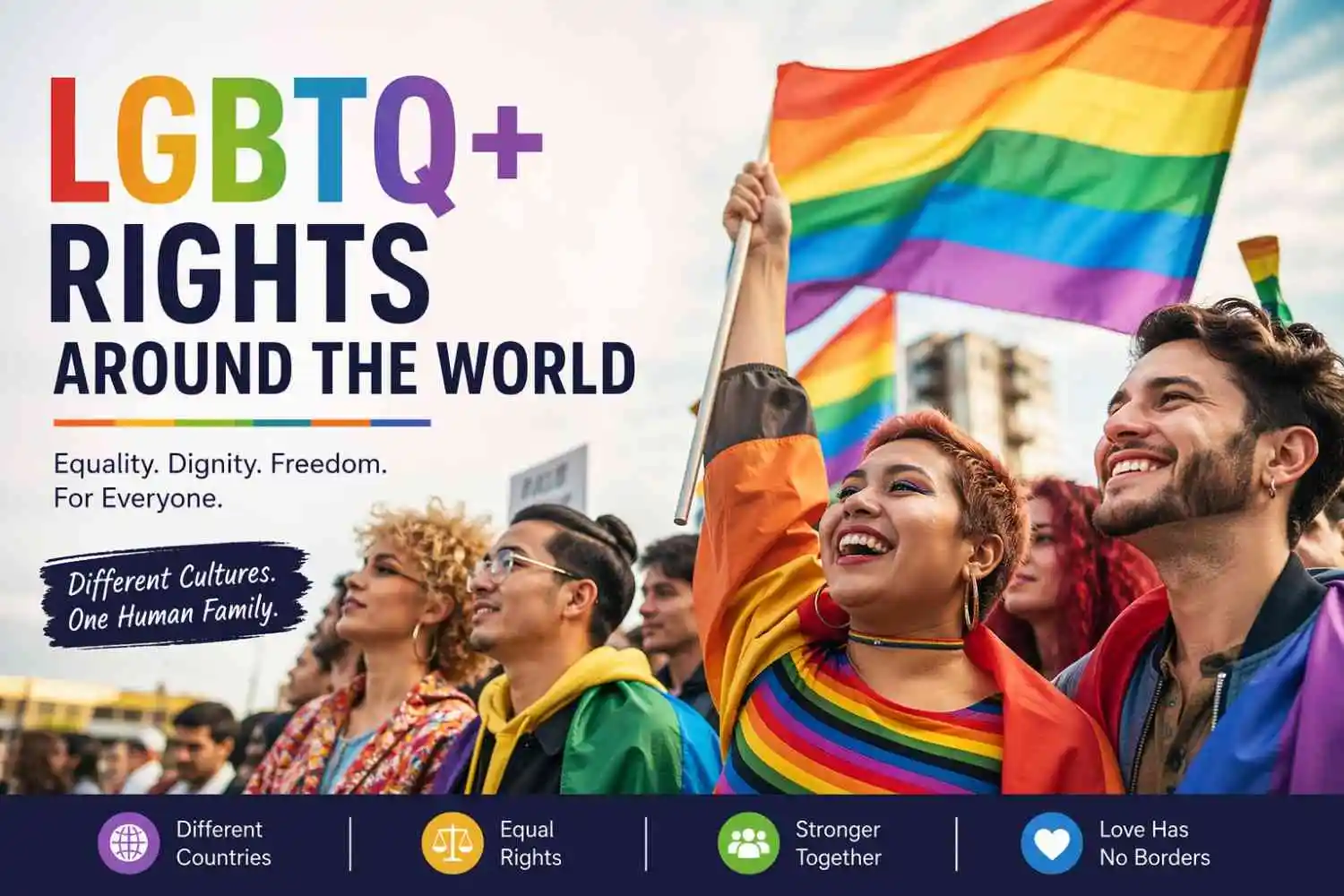
LGBTQ+ rights have become one of the most debated and consequential human rights issues of the 21st century. While some countries have made extraordinary strides toward equality — legalizing same-sex marriage, banning conversion therapy, and enshrining gender identity protections into law — others continue to criminalize same-sex relationships, suppress transgender identities, and persecute LGBTQ+ individuals with state-sanctioned violence.
The global picture of LGBTQ+ rights is neither uniform nor simple. It is a mosaic of contrasts: pride parades in Amsterdam alongside prison sentences in Uganda; legal gender recognition in Argentina alongside denial of basic protections in dozens of nations. Understanding this landscape is essential — not just for LGBTQ+ individuals seeking safety and dignity, but for policymakers, educators, health professionals, and anyone who believes that human rights are universal.
Understanding LGBTQ+ Rights
What Does LGBTQ+ Mean?
LGBTQ+ is an acronym that stands for Lesbian, Gay, Bisexual, Transgender, Queer or Questioning, and the "+" encompasses a wide range of identities including intersex, asexual, non-binary, and others. These identities relate to sexual orientation, gender identity, and gender expression — all of which are deeply personal and shaped by a combination of biological, psychological, and cultural factors.
Understanding these distinctions matters because rights and protections often apply differently to different groups within the community. For example, a country might decriminalize homosexuality but still offer no legal recognition of transgender identities. Awareness of the full spectrum of LGBTQ+ identities is the first step toward meaningful advocacy and inclusive policy.
Key insights:
- LGBTQ+ covers a wide range of sexual orientations and gender identities
- Each identity group faces unique legal and social challenges
- Intersectionality — including race, class, and religion — shapes the LGBTQ+ experience globally
- Legal protections for LGB individuals often differ from those protecting transgender and intersex people
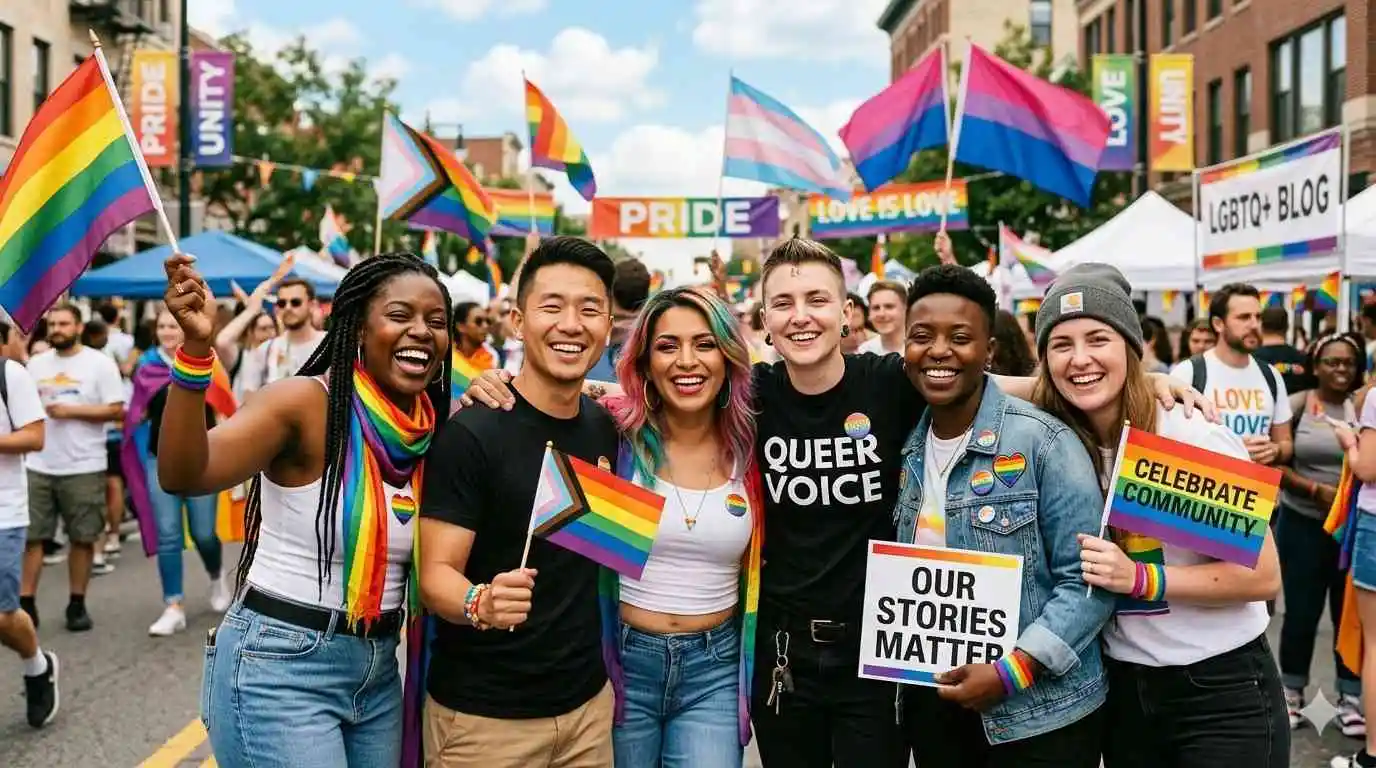
Why LGBTQ+ Rights Matter Globally
LGBTQ+ rights are human rights. When any group is denied the right to live authentically, access healthcare, marry the person they love, or be safe from violence, the entire framework of human rights is weakened. Discrimination against LGBTQ+ individuals affects mental health, economic participation, educational access, and community wellbeing.
Beyond individual suffering, the suppression of LGBTQ+ rights has broader societal consequences. Countries with strong LGBTQ+ protections tend to score higher on broader human development indexes, suggesting a correlation between inclusive policies and overall societal progress.
Key insights:
- LGBTQ+ rights violations are human rights violations
- Discrimination leads to measurable harm in mental health and economic outcomes
- LGBTQ+ inclusion is often a marker of broader democratic health
- Global solidarity is essential to advancing rights in restrictive countries
Historical Evolution of LGBTQ+ Rights
Early Struggles and Criminalization
For most of recorded history, same-sex relationships were treated as criminal, sinful, or pathological. Colonial-era laws — many modeled on British sodomy statutes — were exported across Africa, Asia, and the Caribbean, where they remain on the books today. In the early 20th century, the medical establishment classified homosexuality as a mental disorder, enabling forced treatments and institutionalization.
Turning Points in LGBTQ+ Movements
The 1969 Stonewall Uprising in New York City is widely regarded as the catalyst for the modern LGBTQ+ rights movement. Patrons of the Stonewall Inn, led largely by transgender women of color and gay men, fought back against police raids — igniting decades of organized activism. In 1973, the American Psychiatric Association removed homosexuality from its Diagnostic and Statistical Manual, a turning point in destigmatization. Since then, movement after movement has reshaped laws and public opinion worldwide.
Key insights:
- Colonial sodomy laws still impact dozens of countries today
- Stonewall 1969 marked the birth of organized LGBTQ+ activism
- Medical destigmatization was a critical milestone
- Legal and cultural progress often begins with grassroots resistance
Countries Leading in LGBTQ+ Rights
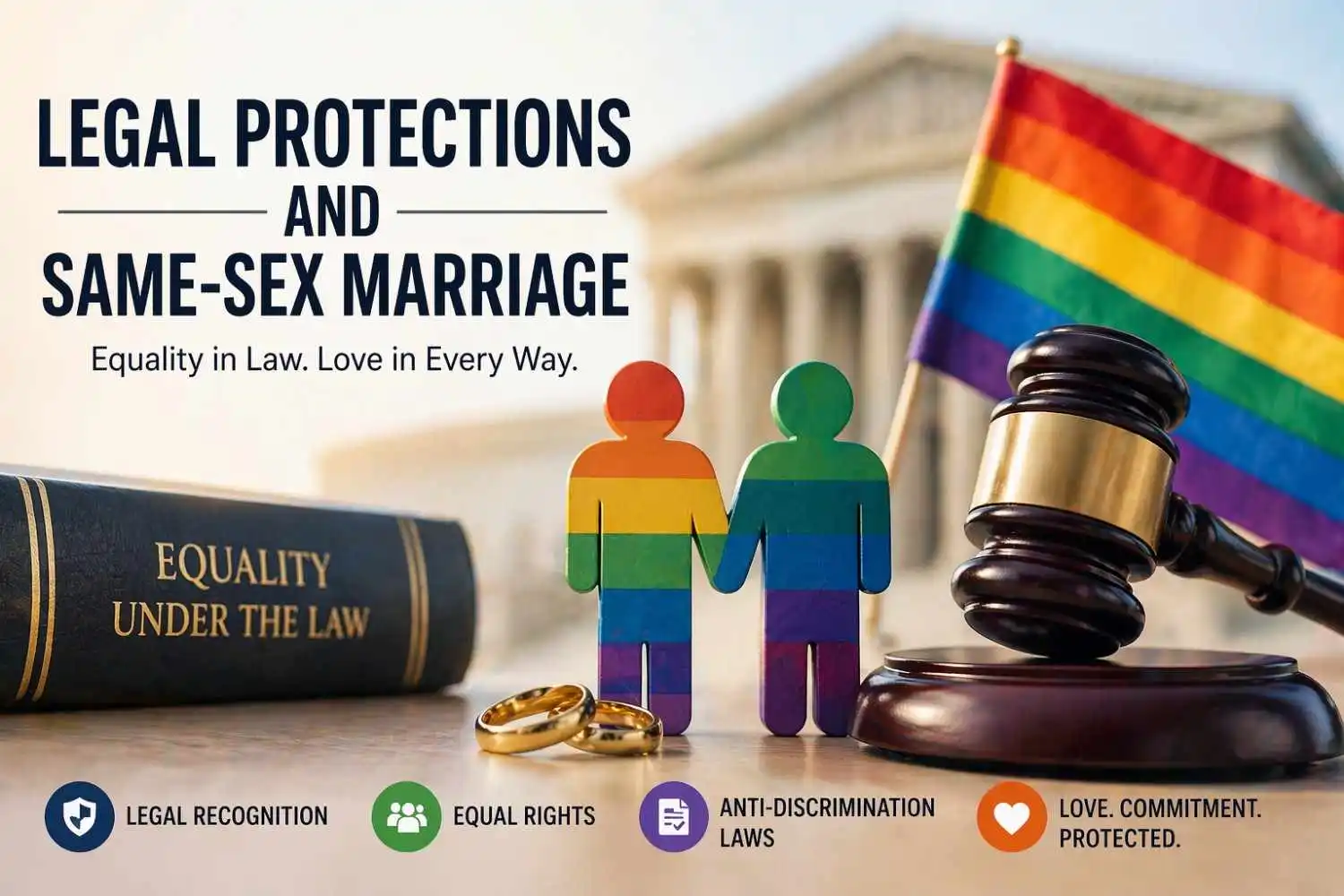
Legal Protections and Same-Sex Marriage
As of 2025, over 35 countries have legalized same-sex marriage, including Canada, the Netherlands, South Africa, Australia, Taiwan, and most of Western Europe. Many of these nations also have comprehensive anti-discrimination laws that protect LGBTQ+ individuals in employment, housing, and healthcare.
Social Acceptance and Cultural Shifts
Legal progress is most meaningful when matched by cultural acceptance. Countries like Iceland, Sweden, and the Netherlands consistently rank highest in social acceptance of LGBTQ+ people. Public support, visible representation in media and politics, and inclusive education policies have all contributed to these shifts.
Key insights:
- Over 35 countries have legalized same-sex marriage
- Anti-discrimination protections extend across multiple life domains in progressive nations
- Cultural acceptance often follows, but sometimes precedes, legal change
- Nordic countries lead globally in LGBTQ+ social inclusion
Regions with Partial Recognition
Legal Gaps and Limitations
Many countries occupy a middle ground — decriminalizing same-sex relationships without offering robust protections or recognition. India decriminalized homosexuality in 2018, yet same-sex couples still lack marriage rights or adoption protections. Japan recognizes same-sex partnerships in some municipalities but has no national framework.
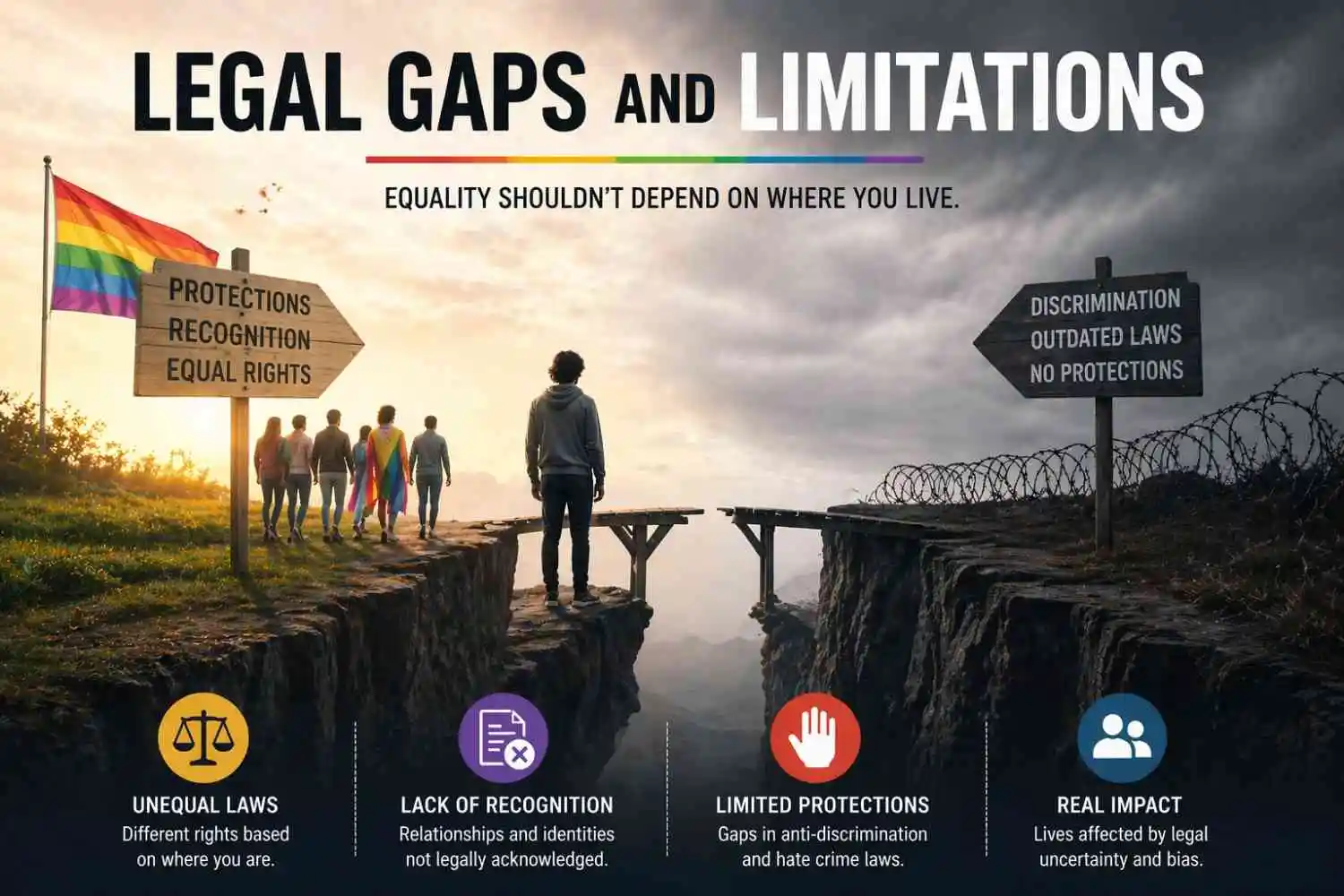
Societal Attitudes vs Legal Systems
In some nations, the law is ahead of public opinion. In others, society is more accepting than the legal system reflects. This disconnect creates complex realities for LGBTQ+ individuals who may face social acceptance in urban centers but legal vulnerability everywhere.
Key insights:
- Decriminalization is not the same as full legal equality
- Urban-rural divides often mirror legal-social disconnects
- Partial recognition can still be meaningful progress
- Advocacy must address both law and culture simultaneously
Countries Where LGBTQ+ Identities Are Criminalized
Laws and Penalties
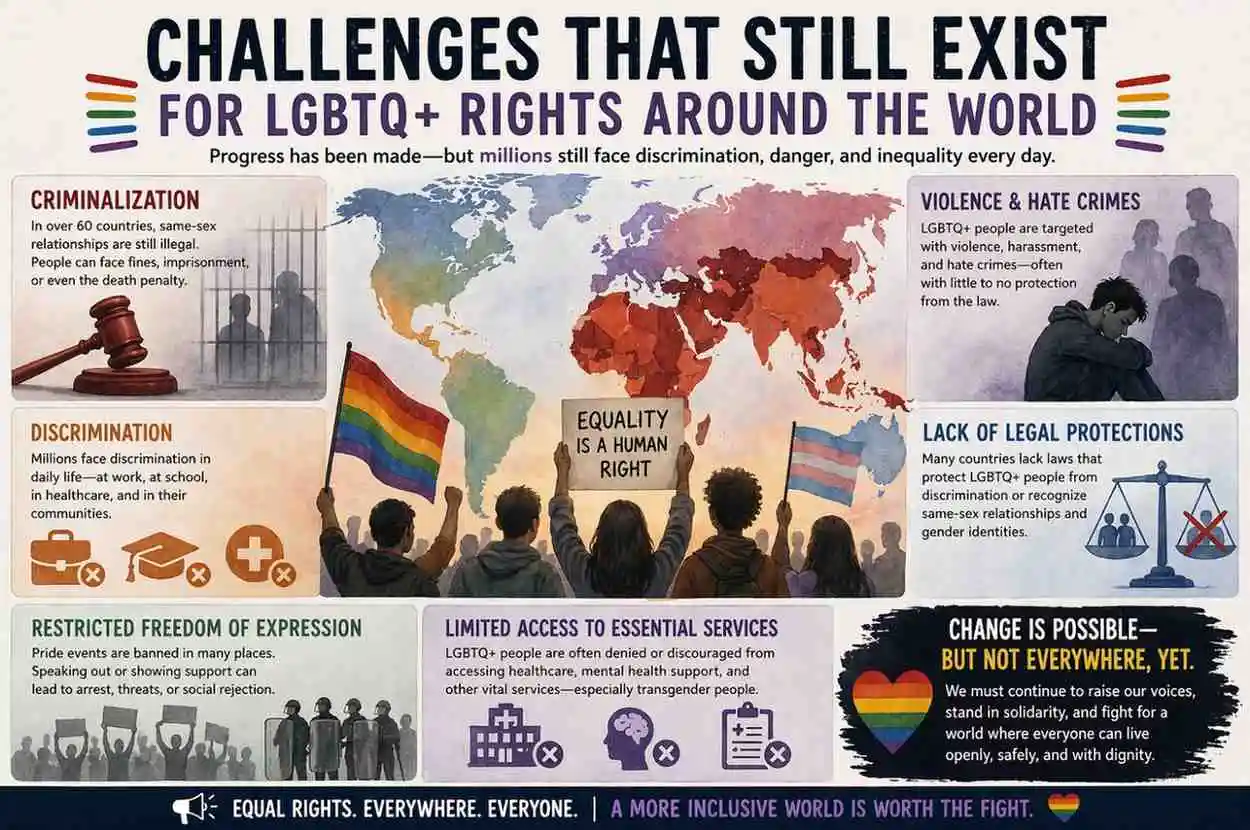
As of 2025, approximately 64 countries still criminalize same-sex relationships. Penalties range from fines and imprisonment to corporal punishment and even death — the latter in countries including Iran, Saudi Arabia, and Uganda. Uganda's 2023 Anti-Homosexuality Act drew global condemnation for imposing life imprisonment and, in some cases, death for same-sex conduct.
Human Rights Concerns
Criminalization does not just restrict freedom — it enables systematic abuse. LGBTQ+ individuals in these countries face blackmail, forced outing, violence at the hands of both state and non-state actors, and denial of asylum claims. International human rights organizations consistently flag these countries for urgent intervention.
Key insights:
- About 64 countries still criminalize same-sex relationships
- Penalties include imprisonment, corporal punishment, and death
- State criminalization enables broader societal violence
- Asylum systems are often inadequate for LGBTQ+ refugees
Role of International Organizations
UN and Global Advocacy
The United Nations has repeatedly affirmed that international human rights law protects LGBTQ+ individuals. The UN Human Rights Council has passed multiple resolutions addressing violence and discrimination based on sexual orientation and gender identity. The Free & Equal campaign, run by the UN, works globally to promote LGBTQ+ rights through education and dialogue.
NGOs and Grassroots Movements
Organizations like Amnesty International, Human Rights Watch, ILGA World, and thousands of local NGOs provide legal aid, document abuses, and lobby governments for reform. Grassroots movements — often operating underground in hostile environments — remain the backbone of change in restrictive countries.
Key insights:
- UN frameworks provide legal foundations for LGBTQ+ protections globally
- NGOs play critical roles in documentation, advocacy, and support
- Local grassroots organizations drive change from within
- International pressure has influenced national policy in several countries
Impact of Religion and Culture
Traditional Beliefs vs Modern Rights
Religion is one of the most significant factors shaping attitudes toward LGBTQ+ people globally. Many of the world's major religious traditions have historically condemned same-sex relationships, and these teachings continue to influence law and culture in deeply religious societies. However, it is important to note that interpretations vary widely — there are affirming congregations within virtually every major faith tradition.
Changing Mindsets
Across many religious communities, younger generations are reinterpreting traditional teachings through lenses of love, compassion, and justice. Progressive religious voices are increasingly part of the LGBTQ+ rights conversation, challenging the assumption that faith and inclusion are incompatible.
Key insights:
- Religious doctrine heavily influences law and society in many regions
- Faith communities are not monolithic — affirming voices exist across traditions
- Generational shifts within religious communities are driving change
- Cultural context must be understood to enable effective advocacy
LGBTQ+ Rights in Asia
Progress in India and Japan
India's 2018 Supreme Court decision striking down Section 377 was a landmark moment for queer rights in South Asia. In Japan, growing municipal partnership recognition and polling showing majority public support for same-sex marriage signal meaningful momentum, even without national legislation.
Challenges in Other Asian Countries
Countries like Malaysia, Indonesia, and Brunei maintain strict laws against same-sex conduct, often framed within religious law. In China, while homosexuality was decriminalized in 1997, LGBTQ+ visibility is heavily censored and civil society organizations face government crackdowns.
LGBTQ+ Rights in Europe
Progressive Policies
Western Europe leads the world in LGBTQ+ legal protections. The EU has adopted broad anti-discrimination directives, and countries like Germany, France, and Spain offer comprehensive protections including same-sex marriage and transgender legal recognition.
Eastern Europe's Resistance
Eastern Europe presents a stark contrast. Countries like Hungary and Poland have enacted "LGBT-free zones" and anti-LGBTQ+ constitutional amendments. Russia has effectively banned LGBTQ+ expression through its propaganda laws. These rollbacks represent a significant challenge to the notion of European unity on human rights.
LGBTQ+ Rights in the Americas
North America
The United States legalized same-sex marriage nationally in 2015, and Canada has long been a global leader in LGBTQ+ protections. However, recent years have seen significant political pushback in the US, with numerous state-level laws targeting transgender youth.
Latin America
Argentina was the first country in Latin America to legalize same-sex marriage (2010) and offers some of the world's most progressive gender identity laws. Brazil, despite high rates of anti-LGBTQ+ violence, has legal protections in place. Other nations in the region vary widely.
LGBTQ+ Rights in Africa
Legal Restrictions
Over 30 African countries criminalize same-sex relationships, many citing colonial-era laws or religious frameworks. South Africa remains the continent's standout exception, with constitutional protections and legal same-sex marriage since 2006.
Activism and Resistance
Despite hostile legal environments, LGBTQ+ activists across Africa continue their work at great personal risk. Organizations in Uganda, Kenya, and Nigeria — among others — document abuses and advocate for change, often with support from international partners.
The Role of Media and Technology
Social Media Influence
Social media has transformed LGBTQ+ advocacy. Platforms like X (formerly Twitter), Instagram, and TikTok allow LGBTQ+ individuals in restrictive countries to connect, organize, and share their stories globally. Viral campaigns have shifted public discourse and even influenced policy debates.
Representation in Entertainment
When LGBTQ+ characters appear in film, television, and music with depth and authenticity, it normalizes diverse identities for broad audiences. Representation matters not just for LGBTQ+ viewers who see themselves reflected, but for heterosexual and cisgender audiences who develop empathy and understanding through storytelling.
Economic Impact of LGBTQ+ Inclusion
Workplace Diversity
Research consistently shows that inclusive workplaces are more innovative and productive. Companies with strong LGBTQ+ inclusion policies report higher employee retention and satisfaction. Nations that protect LGBTQ+ workers from discrimination benefit from fuller economic participation of all citizens.
Tourism and Business Growth
The "pink economy" — LGBTQ+ tourism and consumer spending — represents hundreds of billions of dollars globally. Cities and countries that are known for LGBTQ+ friendliness attract significant tourism revenue and business investment, creating a tangible economic incentive for inclusion.
Education and Awareness
School Policies
Inclusive school curricula that address LGBTQ+ identities reduce bullying and improve outcomes for LGBTQ+ students. Countries with LGBTQ+-inclusive education policies report lower rates of youth depression and suicide among queer students.
Public Awareness Campaigns
Government-led and NGO-driven campaigns have shifted public opinion in dozens of countries. Ireland's successful marriage equality referendum in 2015 was preceded by years of public conversation and awareness-building — a model for how cultural change can precede and enable legal reform.
Health and Well-being
Mental Health Challenges
LGBTQ+ individuals globally experience significantly higher rates of depression, anxiety, and suicidal ideation — largely as a result of discrimination, stigma, and family rejection rather than inherent to their identities. In countries where same-sex relationships are criminalized, these mental health burdens are especially severe.
Access to Healthcare
In many regions, LGBTQ+ individuals face discrimination from healthcare providers or are legally prohibited from accessing gender-affirming care. Culturally competent, affirming healthcare is a fundamental need and right, and expanding access to it is a critical component of LGBTQ+ advocacy.
Legal Milestones in Recent Years
Landmark Court Decisions
India (2018), Botswana (2019), Bhutan (2021), and Singapore (2022) all decriminalized same-sex relationships through court decisions in recent years — demonstrating the power of legal advocacy. Taiwan's 2019 legalization of same-sex marriage was the first in Asia.
New Policies and Reforms
Several countries have expanded gender recognition laws, allowing individuals to legally change their gender without medical requirements. A growing number of nations now recognize non-binary gender designations on official documents.
Challenges That Still Exist
Violence and Discrimination
Even in countries with strong legal protections, LGBTQ+ individuals face violence, housing discrimination, employment bias, and social exclusion. Hate crimes targeting LGBTQ+ people remain a serious issue in many progressive nations.
Political Resistance
The global rise of nationalist and religious conservative movements has produced significant political resistance to LGBTQ+ rights. Legislative rollbacks, disinformation campaigns, and anti-LGBTQ+ rhetoric from political leaders pose ongoing threats to hard-won gains.
The Future of LGBTQ+ Rights
Emerging Trends
Youth-led movements, digital activism, and global solidarity networks are reshaping the future of LGBTQ+ advocacy. International coalitions are pressuring governments through trade agreements, diplomatic channels, and public accountability mechanisms.
Youth and Activism
Younger generations globally are more accepting of LGBTQ+ identities than any previous generation, according to consistent polling. This generational shift is perhaps the most powerful force for long-term change — suggesting that while progress is uneven and contested, the arc of history is bending toward greater inclusion.
How Individuals Can Support LGBTQ+ Rights
Allyship
Being an ally means actively supporting LGBTQ+ people in your personal and professional life. This includes using correct pronouns, speaking up against discrimination, educating yourself, and creating space for LGBTQ+ voices in conversations that affect them.
Advocacy and Action
Individuals can donate to LGBTQ+ organizations, contact elected representatives, participate in awareness events, and use their platforms to amplify LGBTQ+ stories. Collective, sustained action is what drives policy change — and every person who chooses engagement over silence makes a difference.
Conclusion
The state of LGBTQ+ rights around the world is a study in contrasts — extraordinary progress existing alongside devastating persecution. From marriage equality in dozens of nations to death sentences in others, the gap between the best and worst outcomes for LGBTQ+ individuals globally could not be wider.
Yet the trajectory, viewed over decades, is one of expanding rights, growing recognition, and deepening awareness. Legal milestones, cultural shifts, and the unstoppable force of youth activism all point toward a future where sexual orientation and gender identity are no longer grounds for persecution.
Understanding the global landscape of LGBTQ+ rights is not only an act of intellectual curiosity — it is an act of solidarity. When we learn, we equip ourselves to advocate. And when we advocate, we become part of a global movement toward a more just and compassionate world.
FAQs
Q1: Which country has the best LGBTQ+ rights in the world?
Iceland, the Netherlands, and Canada consistently rank among the top countries for LGBTQ+ rights. They offer same-sex marriage, comprehensive anti-discrimination protections, gender recognition laws, and high levels of social acceptance. Iceland has repeatedly topped global indexes for LGBTQ+ equality and political inclusion, making it a benchmark for what fully inclusive policy looks like in practice.
Q2: How many countries still criminalize homosexuality?
As of 2025, approximately 64 countries still criminalize consensual same-sex relationships between adults. Penalties range from fines and imprisonment to corporal punishment and death. Many of these laws are colonial-era statutes that were never repealed. International advocacy continues to push for decriminalization as a baseline human rights standard worldwide.
Q3: What is the difference between decriminalization and marriage equality?
Decriminalization means that same-sex relationships are no longer treated as criminal offenses, but it does not grant any positive rights. Marriage equality goes further, legally recognizing same-sex unions with the same rights as heterosexual marriages, including inheritance, adoption, and medical decision-making. Countries can decriminalize without legalizing marriage, as India demonstrates.
Q4: How does religion affect LGBTQ+ rights globally?
Religion significantly influences LGBTQ+ rights, particularly in nations where religious law shapes civil legislation. Many countries that criminalize same-sex relationships cite religious doctrine as justification. However, religious communities are not uniform — affirming congregations exist across major faith traditions, and progressive religious voices increasingly advocate for LGBTQ+ inclusion within theological frameworks of love and justice.
Q5: What can I do to support LGBTQ+ rights globally?
You can support LGBTQ+ rights by donating to established advocacy organizations, amplifying LGBTQ+ voices on social media, contacting representatives about relevant legislation, and practicing allyship in daily life. Educating yourself about the specific challenges faced in different regions also helps you engage more meaningfully. Collective, consistent action from individuals around the world creates real political and cultural change.
Click below to generate summary