Imagine waking up one morning to find that the air outside smells like fresh pine, rivers run crystal clear, and the chorus of birdsong fills every corner of your neighborhood. Now imagine the opposite — smog-filled skies, rivers choked with plastic, and an eerie silence where wildlife once thrived. The painful truth is that the second scenario is becoming more real every single day, and it is precisely why World Earth Day exists.
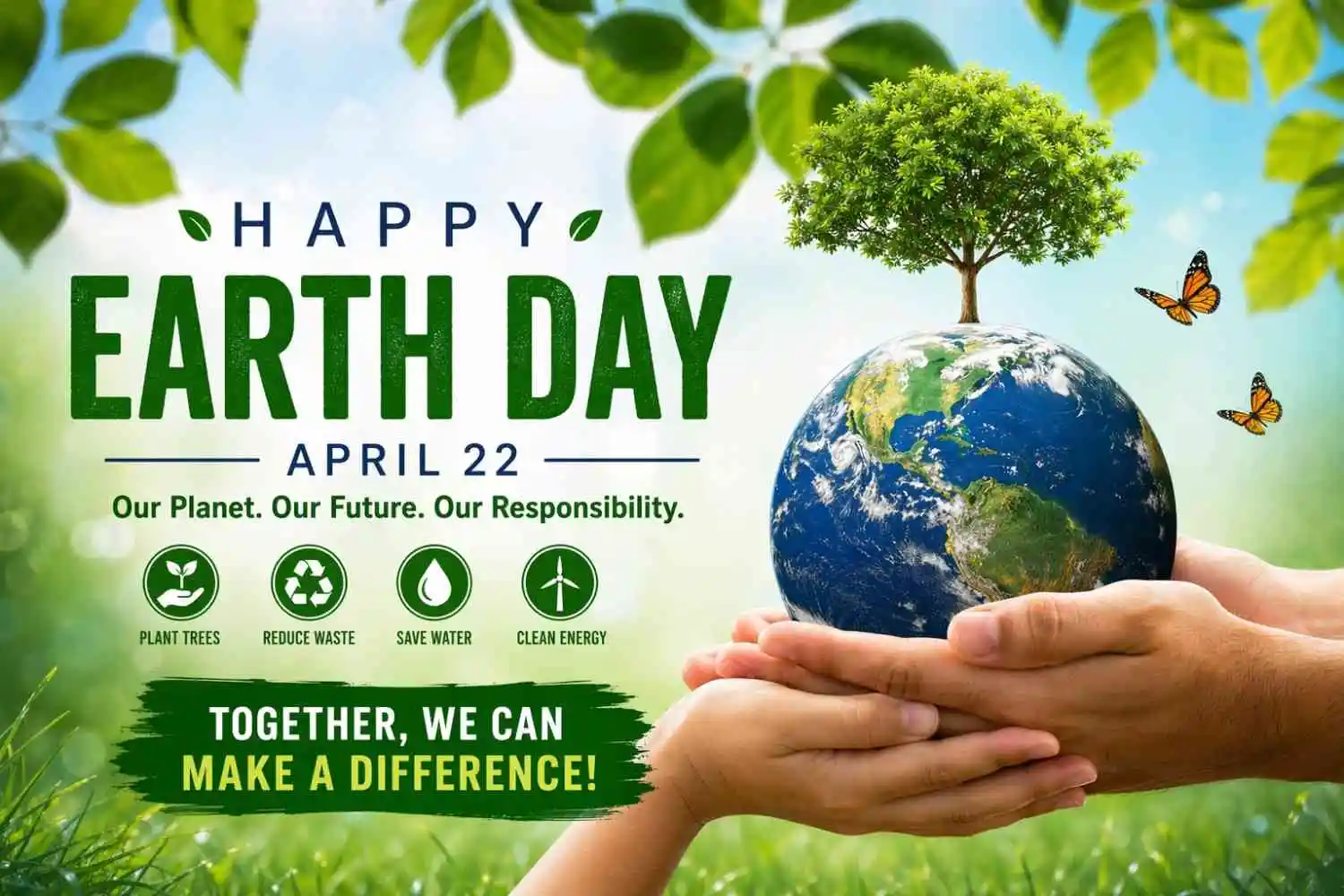
Every year on April 22, billions of people across more than 193 countries pause, reflect, and take action. This is not just a symbolic holiday — it is a global call to arms. World Earth Day is the world's largest civic event, a day that brings together scientists, students, farmers, politicians, artists, and everyday citizens under a single, powerful banner: the urgent need to protect the only home we have ever known.
Whether you are a student trying to understand environmental issues for the first time, a professional looking for sustainable practices to adopt, or a concerned parent wondering what kind of planet your children will inherit, World Earth Day speaks directly to you. It bridges the gap between awareness and action, between individual choices and collective responsibility.

What is World Earth Day?
World Earth Day is an annual observance dedicated to raising awareness about environmental protection and promoting actions that support a healthier planet. It is a day for education, reflection, community engagement, and policy advocacy — all centered around one core idea: that the Earth's health is inseparable from human well-being.
Unlike most awareness days, Earth Day is uniquely action-oriented. It is not just about posting green graphics on social media or attending a candlelit ceremony. It is about organizing tree-planting drives, cleaning up polluted coastlines, lobbying for clean energy policies, and shifting consumer behavior toward sustainability. The day serves as both a reminder and a rallying point, urging people and institutions to move from good intentions to meaningful change.
Why April 22 is Celebrated
April 22 was chosen deliberately and strategically. In the United States, where Earth Day originated, the date falls between spring break and final exams, making it accessible for college students. It also avoids major religious holidays, which ensures maximum participation across diverse communities. Senator Gaylord Nelson, one of the key architects of the first Earth Day, selected this date in 1970 to maximize student involvement, and it has remained unchanged ever since.
The Core Purpose of Earth Day
The core purpose of Earth Day is threefold: educate, inspire, and mobilize. It educates communities about pressing environmental threats, inspires individuals to see themselves as active agents of change, and mobilizes collective action at the local, national, and global level.
Key purposes include:
- Promoting environmental literacy among all age groups
- Encouraging governments to adopt stronger environmental policies
- Pushing corporations toward greener, more responsible practices
- Uniting communities around shared environmental goals
- Highlighting the connection between environmental health and human health

History of Earth Day
Understanding where Earth Day came from helps us appreciate why it continues to matter. Its origins are deeply rooted in a period of environmental crisis and civic awakening that transformed how humanity views its relationship with the natural world.
The Birth in 1970
The first Earth Day was held on April 22, 1970, and it was a watershed moment in modern history. The United States at the time was grappling with severe environmental degradation — rivers were catching fire due to chemical pollution, cities were buried under smog, and wildlife was disappearing at alarming rates. A massive oil spill off the coast of Santa Barbara in 1969 was the final catalyst.
Senator Gaylord Nelson, deeply troubled by what he witnessed, proposed a national day for the environment. The idea resonated immediately. On that first Earth Day, approximately 20 million Americans participated in rallies, demonstrations, and clean-up events. It was one of the largest civic demonstrations in U.S. history.
From Local Protest to Global Phenomenon
By 1990, Earth Day went global, with 200 million people in 141 countries participating. This global expansion gave the movement new energy and reach. It helped lay the groundwork for landmark environmental summits like the 1992 Rio Earth Summit and, more recently, the Paris Agreement on climate change.
Key milestones in Earth Day history include:
- 1970: First Earth Day, leading to the creation of the U.S. Environmental Protection Agency
- 1990: Earth Day goes international with 200 million participants
- 2000: Focus shifts to global warming and clean energy with 5,000 environmental groups involved
- 2016: The Paris Climate Agreement signed on Earth Day
- 2020: 50th anniversary celebrated virtually due to COVID-19 pandemic, reaching 100 million people online

Earth Day 2026 Theme
Each year, Earth Day is centered around a specific theme that reflects the most pressing environmental challenge of the time. In 2026, that theme is both a challenge and a declaration.
"Our Power, Our Planet" Explained
The 2026 Earth Day theme is "Our Power, Our Planet." At its heart, this theme is a call to triple global renewable energy capacity by 2030. It highlights the immense untapped potential of solar, wind, geothermal, and other clean energy sources, and it challenges governments, corporations, and individuals to accelerate the shift away from fossil fuels.
The word "power" carries a double meaning here. It refers to literal energy production — the kilowatts and megawatts that run our cities and factories. But it also refers to human agency and collective strength. The theme says: we have the power to change our energy systems, and we have the power to demand that change.
Why This Theme Matters Today
In 2026, the urgency of transitioning to renewable energy has never been clearer. Extreme weather events are increasing in frequency and intensity. Communities around the world are already experiencing the devastating effects of fossil fuel dependence — from flooding in South Asia to wildfires in Southern Europe to prolonged droughts in Sub-Saharan Africa.
This theme matters because:
- Fossil fuels still account for over 80% of global energy consumption
- Renewable energy costs have dropped dramatically, making transition economically viable
- Clean energy creates more jobs per dollar invested than fossil fuels
- Energy equity means ensuring clean power reaches underserved communities too
- The window to limit warming to 1.5°C is rapidly closing
Global Impact of Earth Day
The reach and influence of Earth Day have grown exponentially since 1970. Today, it is widely recognized as the largest secular observance in the world, mobilizing over a billion people every year.
Participation Across Countries
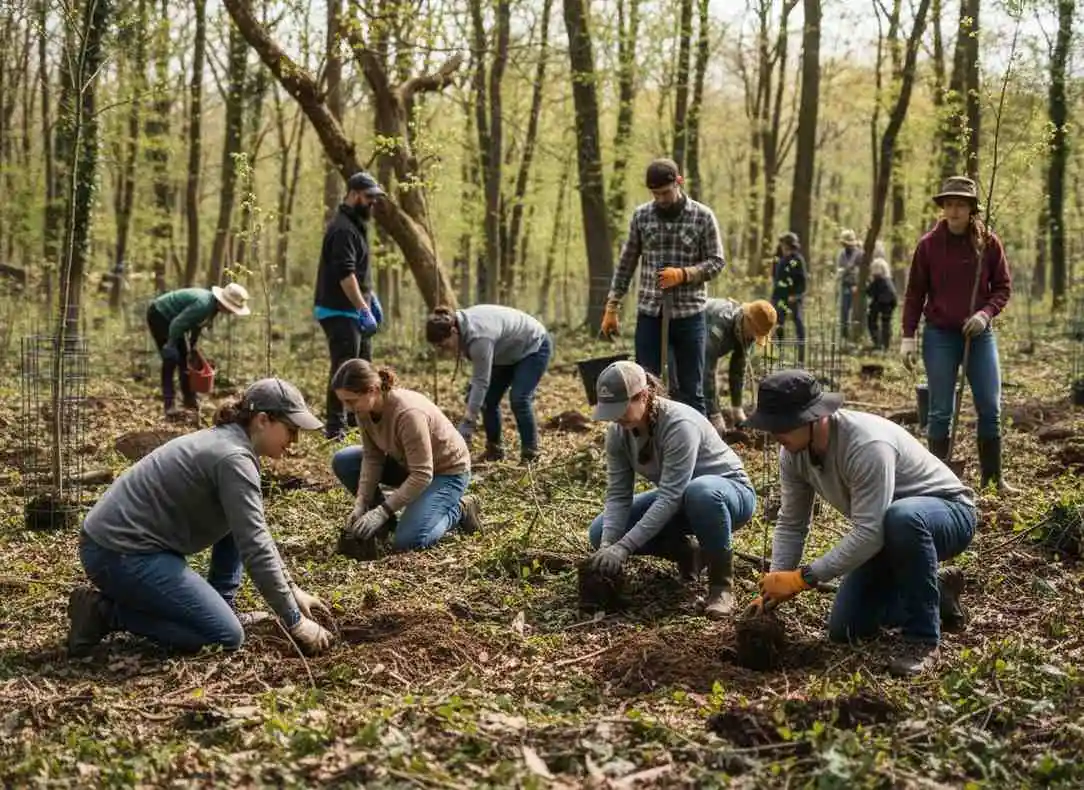
From school children planting trees in Kenya to engineers installing solar panels in Germany, Earth Day participation takes countless forms across the globe. EarthDay.org coordinates activities in more than 193 countries, working with thousands of partner organizations to create localized campaigns that reflect each region's unique environmental challenges.
Key Environmental Achievements
Earth Day has been directly linked to some of the most important environmental legislation and agreements in modern history. Its influence cannot be overstated.
Major achievements include:
- Creation of the U.S. Environmental Protection Agency (EPA) in 1970
- Passage of the Clean Air Act, Clean Water Act, and Endangered Species Act
- Growing public pressure that led to international climate agreements
- Increased corporate adoption of sustainability reporting frameworks
- A measurable rise in global environmental education programs
Major Environmental Issues Highlighted
Earth Day serves as a spotlight for the most critical environmental crises facing the world. Each year, it draws renewed attention to issues that often get buried beneath daily headlines.
Climate Change
Climate change remains the defining environmental crisis of our era. Rising global temperatures are disrupting ecosystems, threatening food security, and increasing the frequency of extreme weather events. Earth Day amplifies the urgency of cutting greenhouse gas emissions and transitioning to a low-carbon economy.
Water Crisis
Freshwater scarcity is a growing global emergency. Over two billion people currently lack access to safe drinking water. Pollution, over-extraction, and climate-driven droughts are shrinking water resources at an alarming rate. Earth Day campaigns advocate for water conservation policies, clean water access, and the protection of aquatic ecosystems.
Biodiversity Loss
The planet is currently experiencing its sixth mass extinction, with species disappearing at a rate 1,000 times faster than natural background levels. Habitat destruction, invasive species, pollution, and climate change are the primary drivers.
Key biodiversity concerns highlighted on Earth Day:
- Deforestation of tropical rainforests at record rates
- Collapse of coral reef ecosystems due to ocean warming
- Dramatic decline in insect populations, threatening food chains
- Illegal wildlife trade pushing species toward extinction
- Loss of genetic diversity in agricultural crops
Earth Day Activities Around the World
One of Earth Day's greatest strengths is its versatility. The movement adapts to every culture, community, and context.
Community Actions
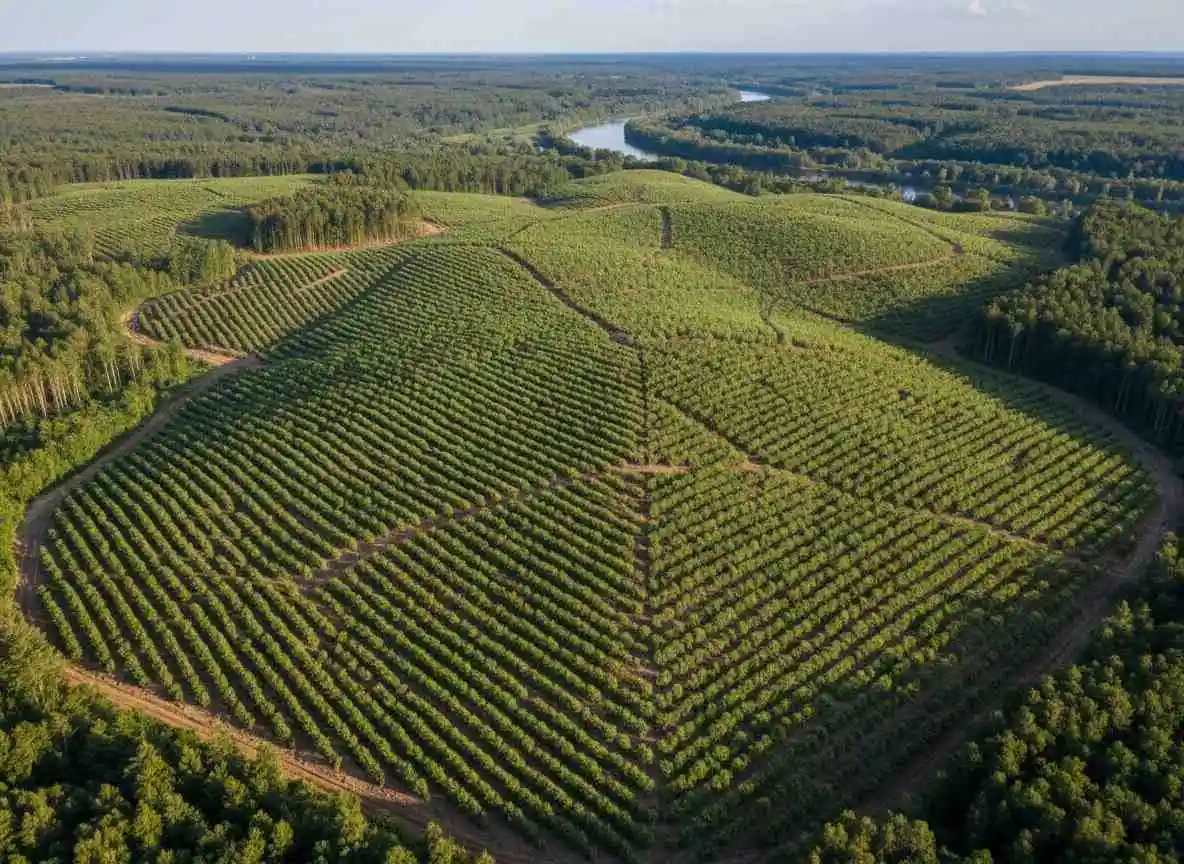
On the ground, Earth Day looks like neighborhood clean-ups, tree-planting campaigns, farmers' markets promoting local and organic produce, and school science fairs dedicated to environmental innovation. Community gardens spring up in urban areas, and volunteers gather on beaches, riverbanks, and roadsides to remove trash.
Digital and Virtual Campaigns
In the digital age, Earth Day has expanded far beyond physical gatherings. Online petitions, social media challenges, virtual seminars, and live-streamed concerts all amplify the message to audiences that cannot participate in person. Hashtags like #EarthDay and #OurPowerOurPlanet trend globally every April 22, driving millions of conversations.
Digital campaigns have proven especially powerful for:
- Reaching young, tech-savvy audiences
- Connecting activists across borders
- Pressuring brands and governments through public visibility
- Distributing educational content at scale
- Fundraising for environmental organizations
How Individuals Can Make a Difference
You do not need to be a politician or a scientist to make a meaningful contribution to Earth Day's mission. Individual actions, when multiplied across billions of people, create real and lasting change.
Simple Everyday Actions
Small daily habits can collectively have an enormous environmental impact. Choosing to carry a reusable water bottle, turning off lights when leaving a room, eating one less meat-based meal per week, or cycling instead of driving once a week — these actions matter far more than they might seem.
Long-Term Lifestyle Changes
Beyond daily habits, deeper lifestyle shifts can dramatically reduce your environmental footprint. Switching to renewable energy at home, reducing air travel, buying secondhand clothing, choosing plant-forward diets, and investing in energy-efficient appliances are all high-impact choices.
Long-term changes that make the biggest difference:
- Installing solar panels or switching to a green energy provider
- Reducing consumption and embracing a minimalist lifestyle
- Supporting local and sustainable food systems
- Advocating for environmental policies in your community
- Educating others and normalizing green choices in social circles
Role of Governments and Corporations
Individual action is vital, but systemic change requires leadership from institutions with the power to reshape entire industries and economies.
Policies and Regulations
Governments hold the most powerful levers for environmental change. Strong environmental regulations, carbon pricing mechanisms, renewable energy subsidies, and international climate commitments can redirect trillions of dollars and restructure entire economies in favor of sustainability.
Corporate Sustainability Efforts
Corporations are increasingly recognizing that sustainability is not just good ethics — it is good business. ESG (Environmental, Social, and Governance) reporting has become standard practice among major companies. Commitments to net-zero emissions, circular economy principles, and supply chain transparency are reshaping industries.
Corporate actions that matter most include:
- Setting science-based emission reduction targets
- Transitioning to 100% renewable energy in operations
- Eliminating single-use plastics from supply chains
- Investing in environmental research and innovation
- Engaging employees in corporate sustainability programs
Importance of Earth Day for Future Generations
The decisions made today will echo for centuries. Earth Day is ultimately about legacy — the world we leave behind for those who come after us.
Education and Awareness
Environmental education is one of the most powerful tools we have. When young people understand the science of climate change, the fragility of ecosystems, and the power of collective action, they become informed advocates for the planet. Earth Day drives environmental literacy programs in schools and communities worldwide.
Building a Sustainable Future
Sustainability is not a sacrifice — it is an investment in resilience, health, and prosperity. A world powered by clean energy, sustained by healthy ecosystems, and governed by just and equitable policies is not a utopian fantasy. It is an achievable future, but only if we act decisively and collectively, starting now.
Key priorities for a sustainable future:
- Embedding environmental education in national school curricula
- Empowering youth-led environmental movements
- Ensuring climate solutions are equitable and inclusive
- Accelerating the deployment of clean technology
- Strengthening global cooperation on environmental governance
Conclusion
World Earth Day is not a single day on the calendar — it is a mindset, a movement, and a mandate. From its humble beginnings as an American protest in 1970 to its current status as the world's largest civic event, Earth Day has consistently pushed humanity toward greater environmental responsibility. The 2026 theme, "Our Power, Our Planet," could not be more timely or urgent. It reminds us that the solutions exist, the technology is ready, and the only thing standing between crisis and transformation is the will to act. Whether you plant a tree, sign a petition, change your diet, or simply talk to someone about why the planet matters, know that your contribution is part of something much larger than yourself. The Earth has given us everything. Earth Day is our chance to give something back.
FAQs
Q1: What is the significance of World Earth Day?
World Earth Day, observed annually on April 22, is the world's largest civic environmental event. It raises awareness about pressing ecological issues including climate change, biodiversity loss, and water scarcity. It also drives policy change and encourages billions of people to take individual and collective action to protect the planet. The day has been instrumental in shaping environmental legislation globally.
Q2: What is the Earth Day 2026 theme?
The 2026 Earth Day theme is "Our Power, Our Planet." It focuses on the urgent need to triple global renewable energy capacity by 2030 and accelerate the transition away from fossil fuels. The theme emphasizes both energy production and human agency, encouraging individuals, governments, and corporations to harness their collective power to drive the clean energy revolution.
Q3: How can students participate in Earth Day?
Students can participate in Earth Day through school-based events like tree-planting drives, science fairs, debates, and awareness campaigns. They can also join local environmental clubs, participate in digital campaigns, reduce their carbon footprint in daily routines, and advocate for sustainability policies within their schools and communities. Even small actions, when taken collectively, create measurable positive impact.
Q4: How does Earth Day impact government policy?
Earth Day has historically catalyzed major environmental legislation. The first Earth Day in 1970 directly contributed to the creation of the U.S. EPA and landmark laws like the Clean Air Act and Clean Water Act. Globally, the public pressure generated by Earth Day events has influenced international agreements, including the Paris Climate Agreement signed on April 22, 2016.
Q5: Why is Earth Day important for future generations?
Earth Day is critical for future generations because it builds the environmental awareness and political will necessary to address long-term ecological challenges. By educating young people, advocating for sustainable policies, and inspiring lifestyle changes today, Earth Day helps ensure that coming generations inherit a planet with clean air, stable climates, rich biodiversity, and equitable access to natural resources.
Click below to generate summary