- Introduction to the Himalayan Mountains
- Formation of the Himalayan Mountains
- Geography of the Himalayan Mountains
- Climate and Weather
- Flora and Fauna
- Cultural Significance
- Economic Importance
- Adventure and Exploration
- Environmental Challenges
- Conservation Efforts
- Fascinating Facts About the Himalayan Mountains
Introduction to the Himalayan Mountains
What Are the Himalayan Mountains?
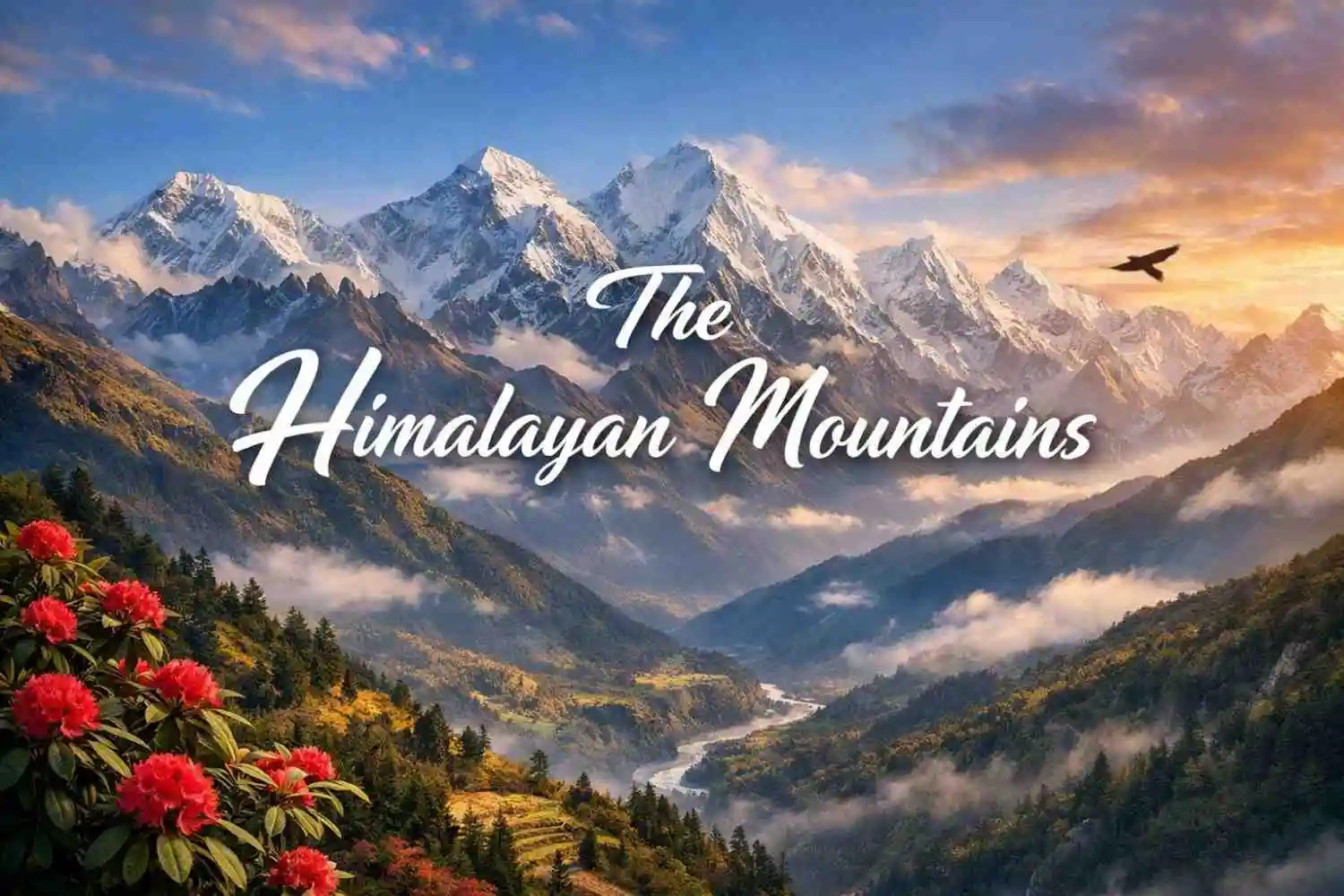
Imagine standing at the edge of the world, where the earth literally pushes itself toward the sky. That is what it feels like to witness the Himalayan Mountains — an awe-inspiring arc of peaks, valleys, rivers, and glaciers that stretches across five countries and dominates the skyline of Asia. The Himalayas are not just mountains. They are a living, breathing ecosystem that has shaped civilizations, influenced weather patterns, and captured the human imagination for thousands of years.
The word "Himalaya" comes from Sanskrit, combining "hima" (snow) and "alaya" (abode) — quite literally, the Abode of Snow. This name alone tells you everything you need to know about their scale and majesty. The range spans approximately 2,400 kilometers, housing 14 of the world's 15 highest peaks above 8,000 meters. These peaks are not static monuments — they are geologically active, ecologically rich, and deeply meaningful to hundreds of millions of people.
Why They Matter Globally
Whether you are a geography enthusiast, an adventure traveler, a student of ecology, or simply someone who loves natural wonders, the Himalayas have something remarkable to offer. They are the source of some of Asia's mightiest rivers — the Ganges, the Indus, the Brahmaputra — which collectively sustain the lives of nearly two billion people. They regulate monsoon patterns, influence global weather systems, and serve as a natural boundary between South Asia and the Tibetan Plateau.
Beyond their physical presence, the Himalayas hold immense spiritual, cultural, and economic value. They are home to ancient traditions, rare wildlife, and some of the most extraordinary trekking and mountaineering routes on the planet. Yet they also face serious environmental threats — from pollution and overtourism to climate-driven glacier melt.
This article takes you on a deep journey through the Himalayan Mountains, exploring their formation, geography, culture, biodiversity, and the challenges they face in the modern world.
Formation of the Himalayan Mountains
Tectonic Plate Movement
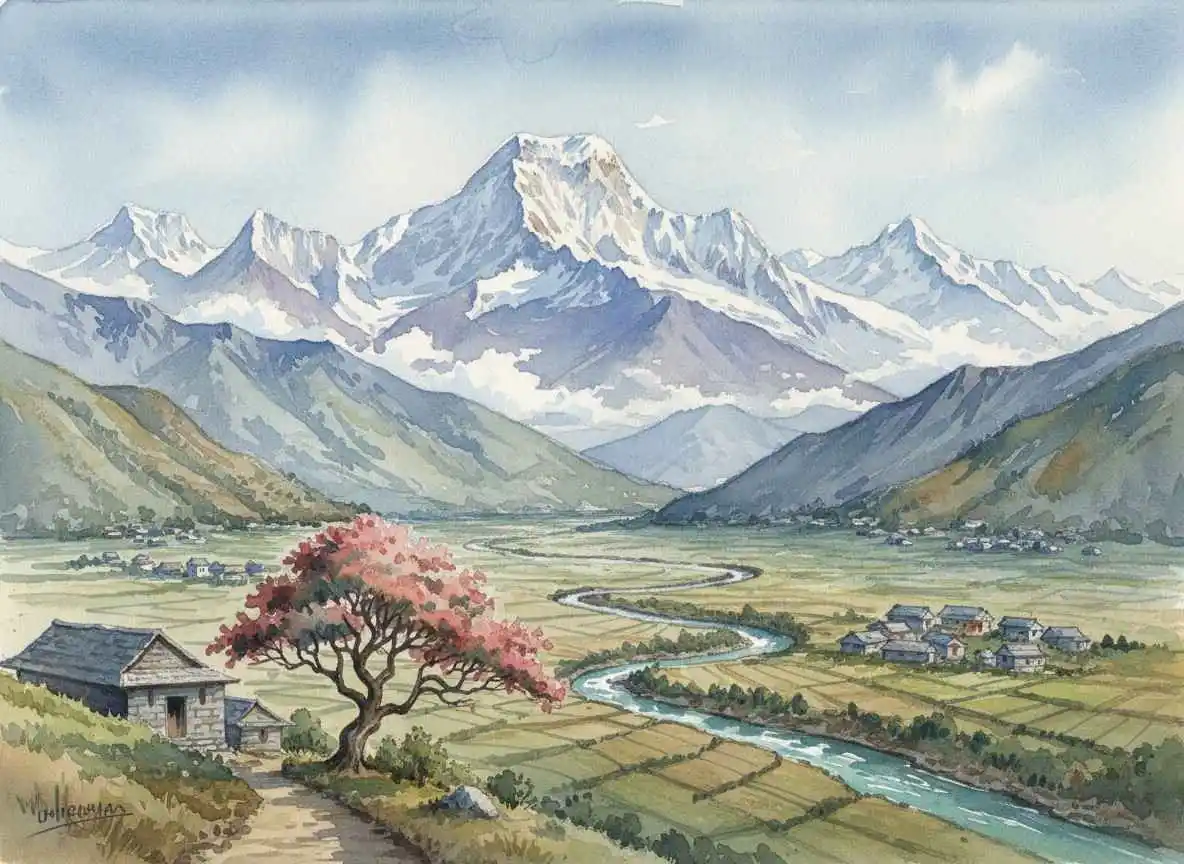
The story of the Himalayas begins roughly 50 million years ago, long before any human civilization existed. The Indian subcontinent, which was once a separate landmass drifting northward across the ancient Tethys Sea, collided with the Eurasian Plate in one of the most dramatic geological events in Earth's history. This collision was not sudden — it was a slow, powerful compression that folded, crumpled, and thrust the earth's crust upward over millions of years.
The Indian Plate continues to push northward at a rate of about 5 centimeters per year, which means the Himalayas are still growing — very slowly, but measurably. This ongoing tectonic activity also makes the region seismically active, explaining why earthquakes are not uncommon in countries like Nepal and northern India.
Key insights from tectonic formation:
- The Himalayas formed through continental collision, not volcanic activity
- The Indian Plate still moves northward, causing gradual uplift
- The process began approximately 50 million years ago and continues today
- Seismic activity in the region is directly linked to tectonic movement
Geological Evolution
Over millions of years, erosion, weathering, and glacial activity have sculpted the rugged terrain we see today. The Himalayas are divided into three parallel ranges — the Outer Himalayas (Shivalik Hills), the Lesser Himalayas, and the Greater Himalayas — each with distinct geological characteristics. The Greater Himalayas contain the highest peaks and are composed primarily of crystalline rocks formed deep within the Earth under extreme pressure.
Glaciers have played a massive role in shaping Himalayan valleys. These rivers of ice carved U-shaped valleys, deposited moraines, and created the dramatic landscapes that draw millions of visitors. Fossils of marine organisms found at high altitudes confirm that these mountains once lay beneath an ancient ocean — a mind-bending reminder of Earth's dynamic history.
Geography of the Himalayan Mountains
Countries Covered
The Himalayan range extends across five sovereign nations: India, Nepal, Bhutan, China (Tibet Autonomous Region), and Pakistan. Parts of the Hindu Kush-Himalayan system also touch Afghanistan. Each country claims distinct sections of the range, and the mountains serve both as natural borders and as shared cultural heritage. Nepal, often called the rooftop of the world, houses eight of the ten highest peaks on the planet within its relatively small territory.
Major Peaks
Mount Everest
At 8,849 meters above sea level (as remeasured in 2020 jointly by China and Nepal), Mount Everest is the highest point on Earth. Known as Sagarmatha in Nepali and Chomolungma in Tibetan, Everest was first summited on May 29, 1953, by Sir Edmund Hillary of New Zealand and Tenzing Norgay Sherpa of Nepal. Since then, thousands of climbers have attempted the summit, with both triumphs and tragedies marking its history. Everest Base Camp itself has become a popular trekking destination for those who wish to experience the mountain without attempting the technical climb.
K2 and Others
K2, standing at 8,611 meters and located in the Karakoram range along the Pakistan-China border, is technically the second-highest peak but widely considered the most dangerous. Its summit success rate is significantly lower than Everest's. Other notable peaks include Kangchenjunga (8,586 m), Lhotse (8,516 m), Makalu (8,485 m), and Cho Oyu (8,188 m) — each a formidable challenge and a symbol of human endurance.
Climate and Weather
Seasonal Variations
The climate across the Himalayas varies dramatically depending on altitude, aspect, and location. At lower elevations, subtropical conditions prevail with warm temperatures and heavy monsoon rainfall between June and September. As you ascend, temperatures drop sharply, and precipitation increasingly falls as snow. Above 5,000 meters, the weather becomes harsh year-round, with extreme cold, strong winds, and limited visibility.
The Himalayan climate is broadly divided into four seasons: spring (March to May), summer/monsoon (June to September), autumn (October to November), and winter (December to February). Spring and autumn are the most popular seasons for trekking and mountaineering because skies are clearer and temperatures are more manageable.
Key insights on seasonal climate:
- Monsoon rains between June and September bring most of the annual precipitation
- Spring and autumn are optimal windows for Himalayan expeditions
- Winter temperatures at high altitudes can drop below minus 40 degrees Celsius
- Wind speeds near summit elevations can exceed 200 kilometers per hour
Impact of Climate Change
Climate change is altering the Himalayan climate in measurable and alarming ways. Rising temperatures are shifting the monsoon calendar, increasing the frequency of extreme weather events, and accelerating the melting of glaciers. Rainfall patterns are becoming unpredictable, affecting agricultural communities that depend on seasonal rhythms. Scientists have recorded temperature increases in the Himalayan region that exceed the global average — a sobering indicator of how vulnerable this ecosystem is.
Flora and Fauna
Unique Biodiversity
The Himalayas are one of the world's most biodiverse regions, often called a biodiversity hotspot. The range supports a remarkable variety of ecosystems — from tropical forests at the foothills to alpine meadows and barren tundra near the snowline. This vertical diversity supports an extraordinary array of plant and animal life. The region is home to over 10,000 species of plants, including orchids, rhododendrons, medicinal herbs, and ancient conifers.
Endangered Species
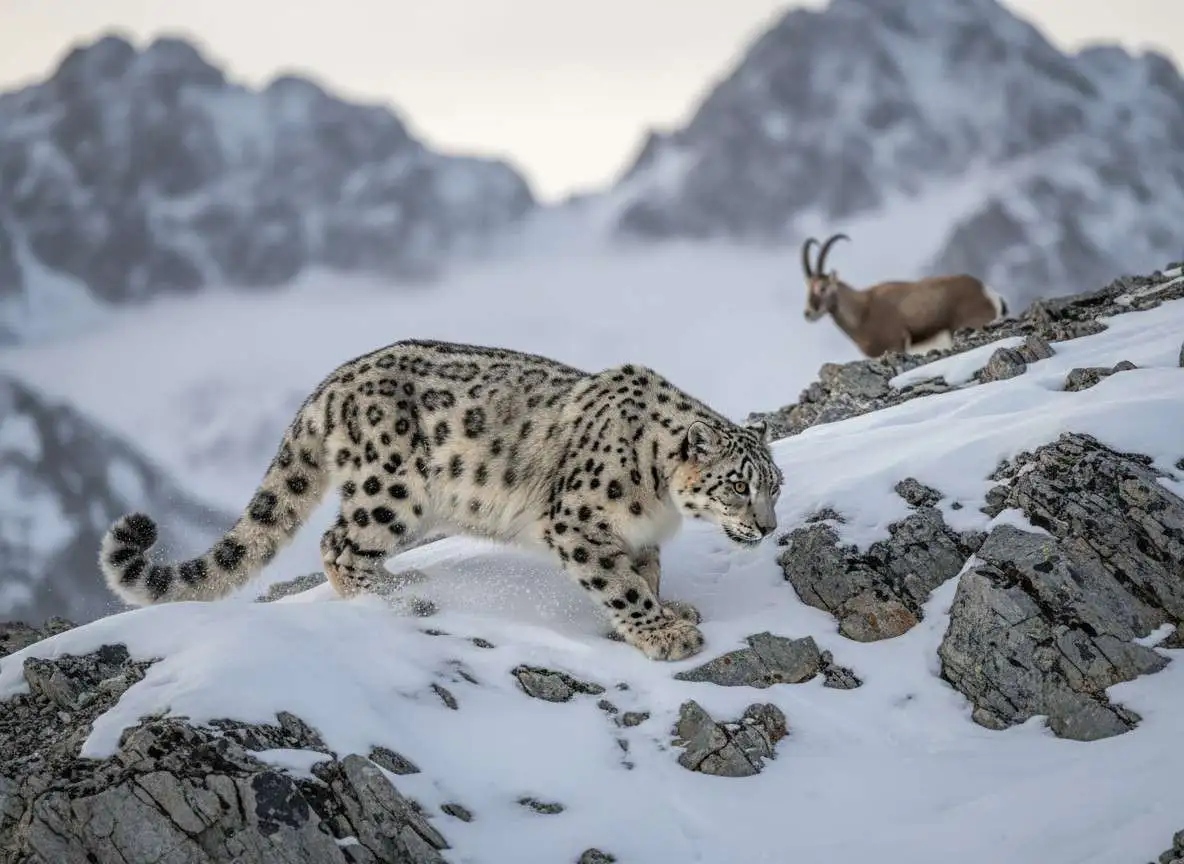
Several iconic and rare animals call the Himalayas home. The snow leopard, arguably the most elusive predator on earth, roams the high-altitude zones of Nepal, India, and Tibet. The red panda, Bengal tiger, one-horned rhinoceros, Himalayan brown bear, and the black-necked crane are among the many species that depend on Himalayan ecosystems for survival. Habitat loss, poaching, and climate change are pushing several of these species closer to extinction, making conservation a matter of global urgency.
Cultural Significance
Religions and Beliefs
For billions of people across Asia, the Himalayas are not merely geographic features — they are sacred. In Hinduism, the mountains are the dwelling place of the gods, particularly Lord Shiva, who is said to reside on Mount Kailash. In Buddhism, the Himalayas represent the path to spiritual enlightenment, and monasteries perched on cliffsides serve as centers of devotion and learning. Pilgrimage routes like the Char Dham in India and the Annapurna Circuit in Nepal draw millions of devotees and spiritual seekers annually.
Indigenous Communities
Dozens of indigenous communities — including the Sherpa, Tamang, Gurung, Ladakhi, and Lepcha peoples — have lived in the Himalayas for centuries, developing unique languages, traditions, agricultural practices, and knowledge systems adapted to high-altitude living. The Sherpa community, in particular, has become internationally recognized for their mountaineering expertise and their role in supporting Himalayan expeditions. Preserving indigenous cultures amid rapid modernization and tourism is an ongoing challenge.
Economic Importance
Tourism
Tourism is the most visible economic driver in the Himalayan region. Nepal alone welcomes over one million tourists annually, with a significant portion drawn to trekking, mountaineering, and cultural heritage experiences. Revenue from tourism supports local businesses, hospitality infrastructure, transportation, and employment. The Everest region and the Annapurna Circuit together generate hundreds of millions of dollars in economic activity each year.
Agriculture and Resources
At lower elevations, Himalayan communities cultivate rice, wheat, maize, potatoes, and a variety of vegetables. High-altitude communities raise yaks, goats, and sheep — animals uniquely adapted to thin air and cold temperatures. The Himalayas are also rich in natural resources including timber, medicinal plants, minerals, and hydropower potential. Rivers originating in the Himalayas power much of South Asia's electricity generation through massive hydroelectric projects.
Adventure and Exploration
Trekking Routes
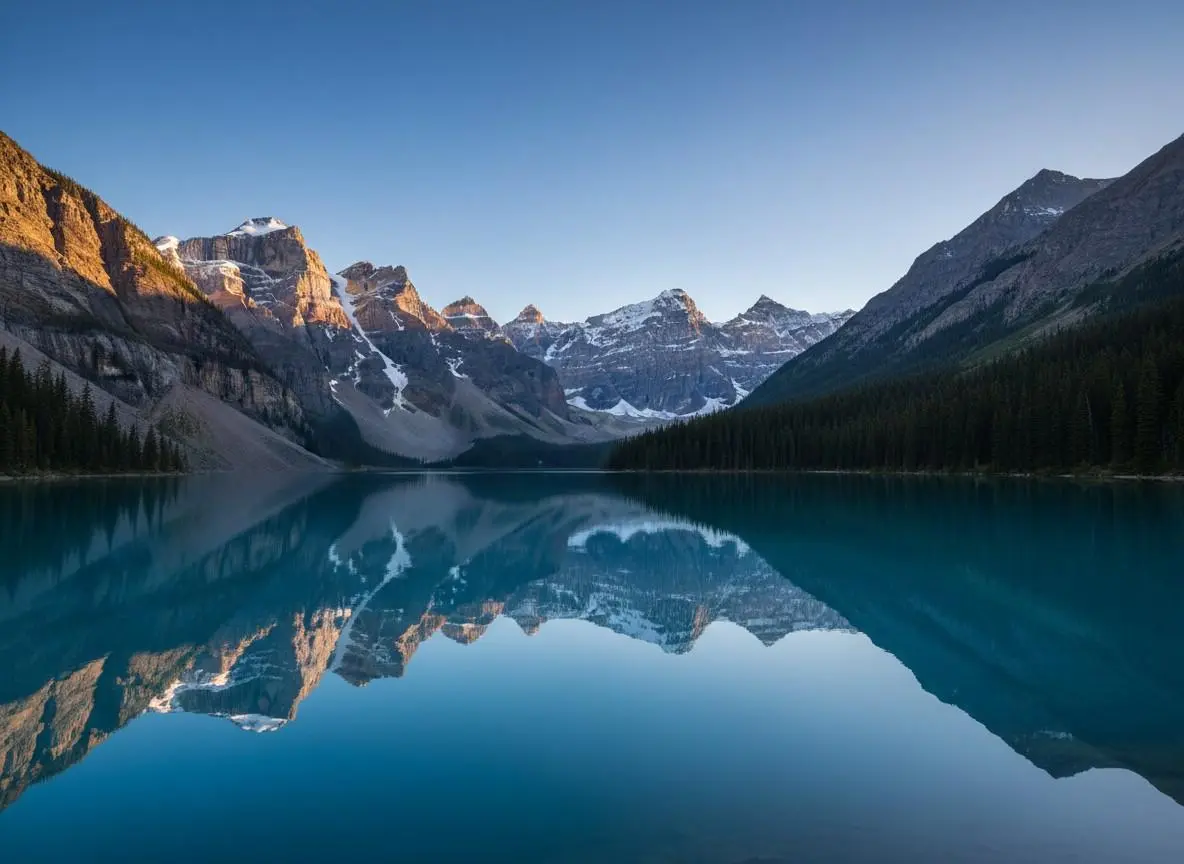
The Himalayas offer some of the world's most iconic trekking routes. The Everest Base Camp trek in Nepal is a bucket-list journey that takes trekkers through Sherpa villages, rhododendron forests, and glacial moraines to the base of the world's tallest peak. The Annapurna Circuit, also in Nepal, is celebrated for its diversity — passing through subtropical valleys, arid Tibetan plateau landscapes, and mountain passes above 5,000 meters. India's Markha Valley trek in Ladakh, Bhutan's Snowman Trek, and Pakistan's Fairy Meadows route near Nanga Parbat are equally spectacular options.
Mountaineering History
The history of Himalayan mountaineering is one of human ambition, courage, and sacrifice. Before the 1950s, the high peaks were considered unconquerable. The successful summit of Annapurna in 1950 by a French expedition was the first time any 8,000-meter peak had been climbed. Since then, all 14 eight-thousanders have been summited, with extraordinary athletes like Reinhold Messner and Nirmal Purja setting records that once seemed impossible.
Environmental Challenges
Pollution
Overtourism has brought a serious pollution crisis to the Himalayas. Trails near popular destinations like Everest Base Camp are littered with abandoned tents, oxygen cylinders, food packaging, and human waste. Even at extreme altitudes, garbage deposits have accumulated over decades of expedition activity. The Pasang Lhamu Rural Municipality and Nepal's government have initiated periodic cleanup drives, but the problem requires sustained international effort.
Glacier Melting
Himalayan glaciers act as freshwater reserves for billions of people. But rising temperatures are causing these glaciers to retreat at alarming rates. Studies show that Himalayan glaciers are losing mass faster than at almost any other point in recorded history. Glacial Lake Outburst Floods (GLOFs) — events where glacial lakes suddenly breach and release massive volumes of water — pose a growing threat to downstream communities.
Conservation Efforts
Global Initiatives
International organizations including the United Nations Environment Programme (UNEP), WWF, and the International Centre for Integrated Mountain Development (ICIMOD) are working to address environmental challenges in the Himalayas. Agreements between Himalayan nations on shared water resources, biodiversity corridors, and climate adaptation strategies are being developed, though implementation remains uneven.
Local Efforts
At the grassroots level, community-led conservation programs have achieved remarkable results. Local NGOs in Nepal and India are training youth as environmental monitors, establishing waste management systems in remote villages, and promoting sustainable tourism practices. Eco-tourism models that involve local communities in decision-making and profit-sharing are proving effective in balancing economic development with environmental preservation.
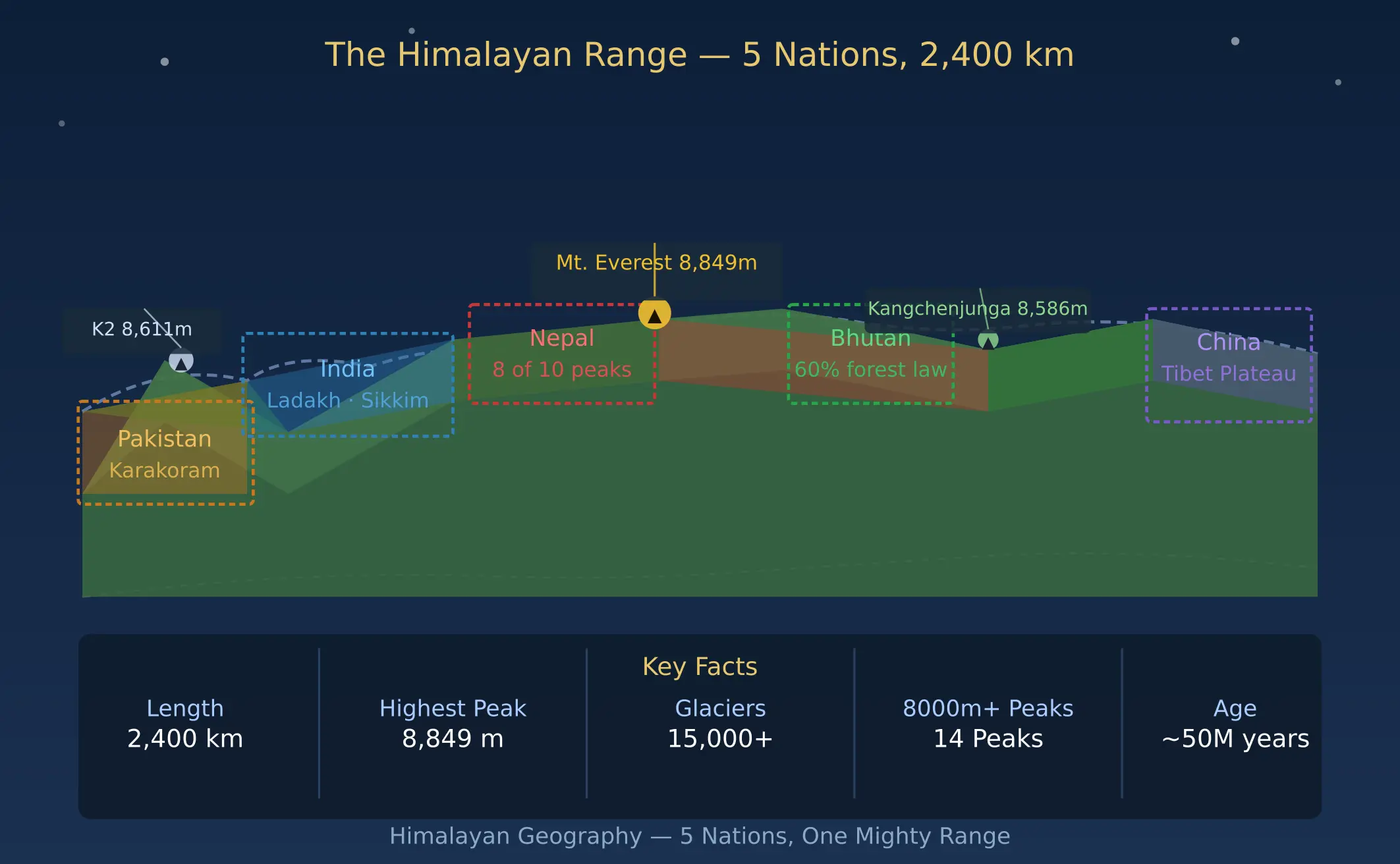
Fascinating Facts About the Himalayan Mountains
Here are 15 astonishing facts about the Himalayan Mountains that underscore just how extraordinary this range truly is:
- The Himalayas are geologically young — only about 50 million years old — making them among the youngest major mountain ranges on Earth.
- Mount Everest grows approximately 4 millimeters taller every year due to ongoing tectonic uplift.
- The Himalayan range contains over 15,000 glaciers, storing the largest volume of freshwater outside the polar ice caps.
- The snow leopard population in the Himalayas is estimated at fewer than 7,000 individuals worldwide.
- The Tibetan Plateau, often called the "Third Pole," holds the world's third-largest reserve of ice and snow after Antarctica and the Arctic.
- More than 600 plant species found in the Himalayas have documented medicinal properties.
- The Himalayas influence the monsoon systems of both South Asia and Southeast Asia, affecting the lives of over three billion people.
- Nepal's Sagarmatha National Park, which surrounds Mount Everest, is a UNESCO World Heritage Site.
- Tenzing Norgay and Edmund Hillary completed the first confirmed Everest summit in just over seven weeks from base camp — a remarkable pace for the era.
- The Indus River, which originates in the Himalayas, is one of the oldest continuously inhabited river basins in the world.
- Over 300 distinct languages and dialects are spoken across communities living in the Himalayan belt.
- Bhutan's constitution legally mandates that at least 60% of its land remain forested — making it one of the most environmentally committed nations in the Himalayas.
- The Himalayan range runs roughly parallel to the Tropic of Cancer, giving it a unique mix of tropical and arctic ecological zones.
- K2, despite being second in height, has never been summited in winter until February 2021, when a team of Nepali climbers achieved the historic feat.
- Glacial retreat in the Himalayas has exposed previously unknown archaeological sites, including ancient trade routes used by Silk Road merchants.
FAQs
Q1: How were the Himalayan Mountains formed?
The Himalayas formed approximately 50 million years ago when the Indian tectonic plate collided with the Eurasian plate. This massive collision folded and pushed the Earth's crust upward, creating the world's highest mountain range. The process is ongoing, as the Indian plate continues to move northward at about 5 centimeters per year, causing the mountains to gradually increase in height.
Q2: Which countries share the Himalayan Mountains?
The Himalayan range spans five countries: India, Nepal, Bhutan, China (Tibet Autonomous Region), and Pakistan. Each country encompasses a distinct section of the range. Nepal is particularly notable for housing eight of the ten highest peaks in the world, including Mount Everest and Kangchenjunga, within its borders.
Q3: What is the impact of climate change on Himalayan glaciers?
Climate change is accelerating glacial melt in the Himalayas at unprecedented rates. This threatens freshwater supplies for billions of people who depend on glacial rivers. It also increases the risk of Glacial Lake Outburst Floods, which can devastate downstream communities. Scientists warn that without significant global emission reductions, many smaller Himalayan glaciers could disappear by 2100.
Q4: What are the best trekking routes in the Himalayas?
The most popular trekking routes include the Everest Base Camp Trek and the Annapurna Circuit in Nepal, the Markha Valley and Chadar Trek in Ladakh, India, the Snowman Trek in Bhutan, and Fairy Meadows in Pakistan. These routes range from moderate to very challenging and offer breathtaking scenery, cultural encounters, and extraordinary wildlife sightings.
Q5: Why are the Himalayas culturally significant?
The Himalayas hold deep religious and spiritual significance for billions of people. In Hinduism, they are considered the home of the gods, while in Buddhism, they represent the path to enlightenment. They are also home to dozens of indigenous communities with unique languages, traditions, and ecological knowledge. Sacred pilgrimage sites, ancient monasteries, and festival traditions throughout the region reflect centuries of spiritual connection to the mountains.
Conclusion
The Himalayan Mountains are far more than a geographic marvel — they are the backbone of Asia's ecology, a cradle of human civilization, a spiritual homeland for billions, and one of the most biodiverse regions on Earth. From the extraordinary geological forces that built them to the cultural traditions that flourish in their shadow, the Himalayas represent a convergence of the natural and human worlds that is simply unmatched anywhere else on the planet.
Yet these mountains face unprecedented challenges. Climate change, pollution, and the pressures of a rapidly developing world are putting their fragile ecosystems and ancient communities at risk. Understanding and appreciating the Himalayas is the first step toward protecting them. Whether you explore them through trekking, academic study, or simply reading about their wonders, the Himalayas reward curiosity with infinite inspiration.
As you reflect on these 15 astonishing facts about the Himalayan Mountains, let them serve as a reminder that our world still holds places of extraordinary depth, beauty, and meaning — places worth knowing, worth celebrating, and above all, worth protecting.
Click below to generate summary