Introduction to World Liver Day
What is World Liver Day?
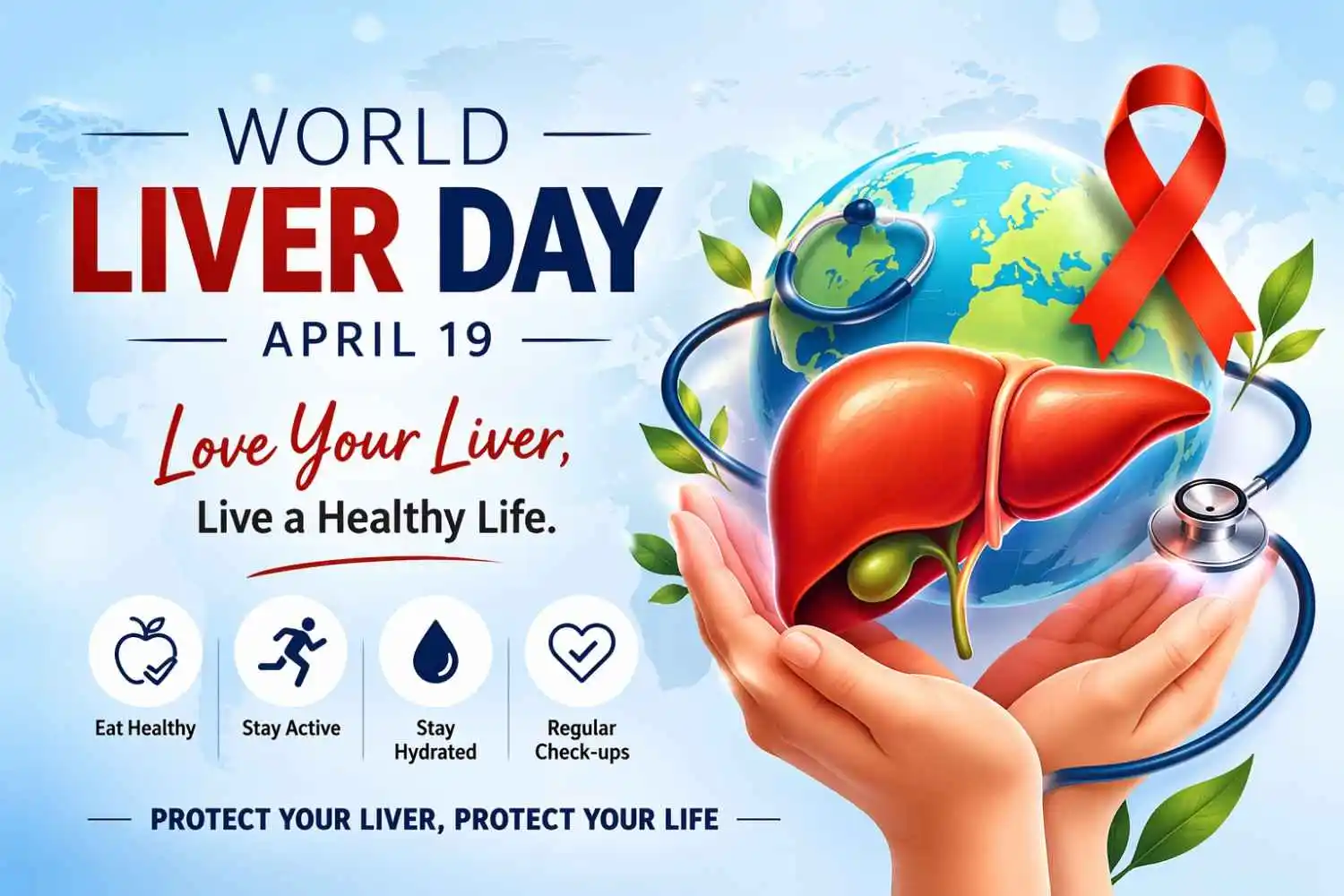
Every year on April 19th, the world observes World Liver Day — a globally recognized health awareness event dedicated to spreading education about liver health, liver diseases, and the importance of early detection. Organized by medical associations and health bodies across continents, this day serves as a powerful reminder that one of the most vital organs in the human body deserves far more attention than it typically receives in everyday conversations about health.
World Liver Day was established to address a growing global crisis. Liver diseases are silently affecting millions of people worldwide, many of whom remain undiagnosed until the condition has progressed significantly. Unlike heart disease or diabetes, liver problems rarely announce themselves in the early stages. The liver is a resilient organ — it continues functioning even when a large portion of it is damaged, which means symptoms often appear only when the damage is severe.
This year, as we mark World Liver Day, the message is clearer and more urgent than ever: proactive liver care is not optional — it is essential. Whether you are a busy professional eating convenience food, a young adult consuming alcohol socially, or someone managing a metabolic condition, your liver is working tirelessly to keep you alive. The least we can do is learn how to protect it.
Why Liver Health Matters
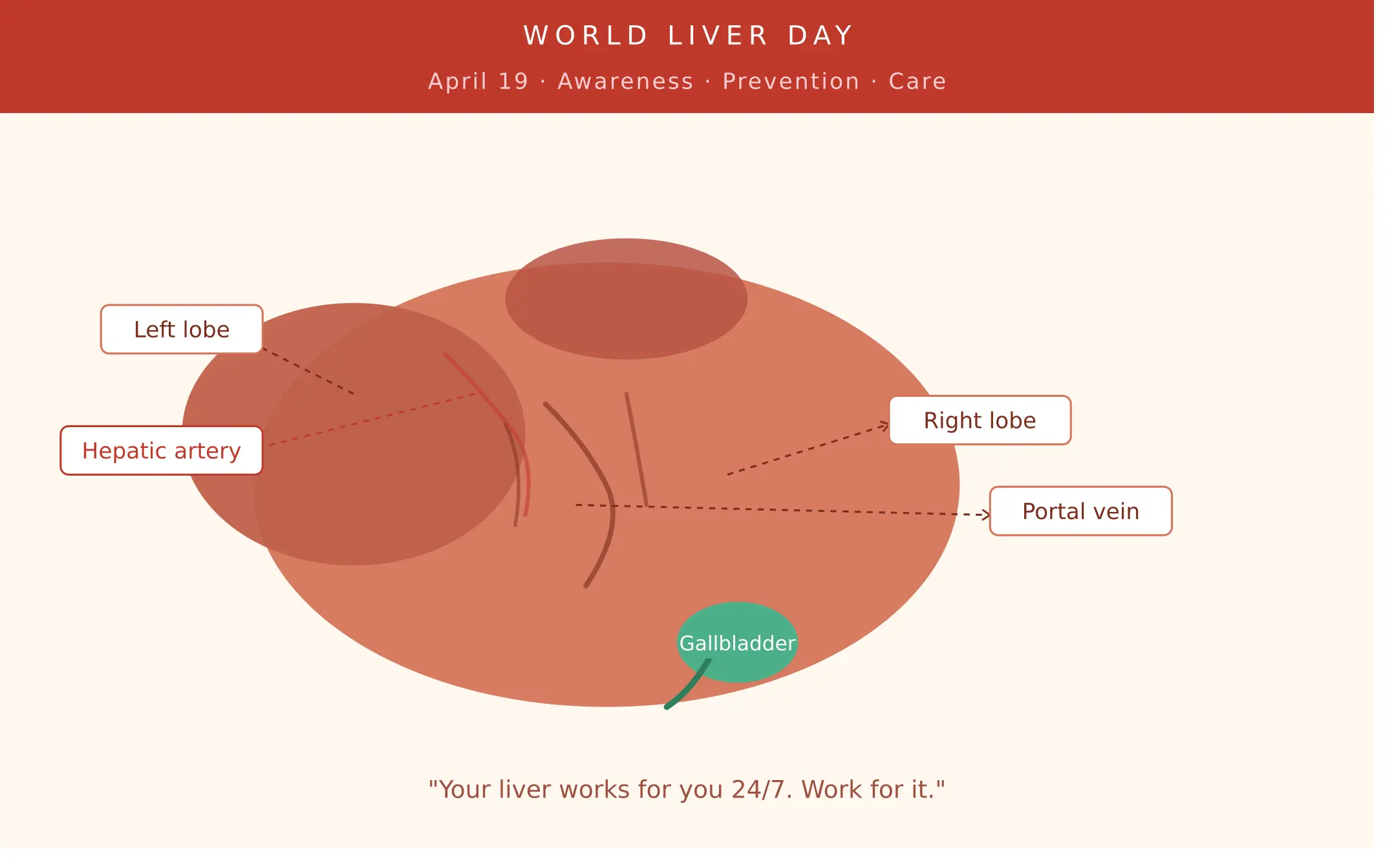
The liver is your body's largest internal organ, weighing approximately 1.5 kilograms in adults. It performs over 500 distinct biological functions, many of which are critical for survival. From filtering toxins from your bloodstream to producing bile for digestion, from regulating blood sugar to synthesizing proteins for clotting — the liver is essentially the command center of your body's metabolic and detoxification systems.
When the liver begins to fail, the effects are catastrophic and wide-reaching. Poor liver health is linked to fatigue, hormonal imbalances, digestive disorders, skin conditions, and even mental fog. This is exactly why World Liver Day matters — it gives us a dedicated moment to pause, reflect, and take meaningful action toward protecting this incredible organ.
Understanding the Liver
Functions of the Liver
The liver is a biochemical powerhouse. Understanding what it does helps us appreciate why caring for it is so important.
Detoxification
One of the liver's most well-known roles is detoxification. Every substance you consume — food, medication, alcohol, environmental pollutants — eventually passes through the liver. The liver identifies harmful compounds and neutralizes them, converting fat-soluble toxins into water-soluble forms that can be excreted through urine or bile. Without this constant filtration process, toxins would accumulate in the bloodstream and cause widespread organ damage within days.
Metabolism
The liver is at the center of carbohydrate, fat, and protein metabolism. It converts excess glucose into glycogen for storage and releases it back into the bloodstream when energy is needed. It also synthesizes cholesterol, breaks down fatty acids for energy, and processes amino acids from dietary protein. A compromised liver leads directly to metabolic dysfunction, contributing to conditions like insulin resistance and obesity.
Storage and Immunity
Beyond detoxification and metabolism, the liver stores vitamins A, D, E, K, and B12, as well as minerals like iron and copper. It also produces immune factors and removes bacteria from the bloodstream, acting as a critical line of defense against infection.
Key insights:
- The liver performs over 500 essential biological functions
- It detoxifies every substance that enters your body
- It plays a central role in metabolism and energy balance
- It stores critical vitamins and minerals your body needs daily
- It contributes significantly to immune function and infection prevention
Common Liver Diseases
Fatty Liver Disease
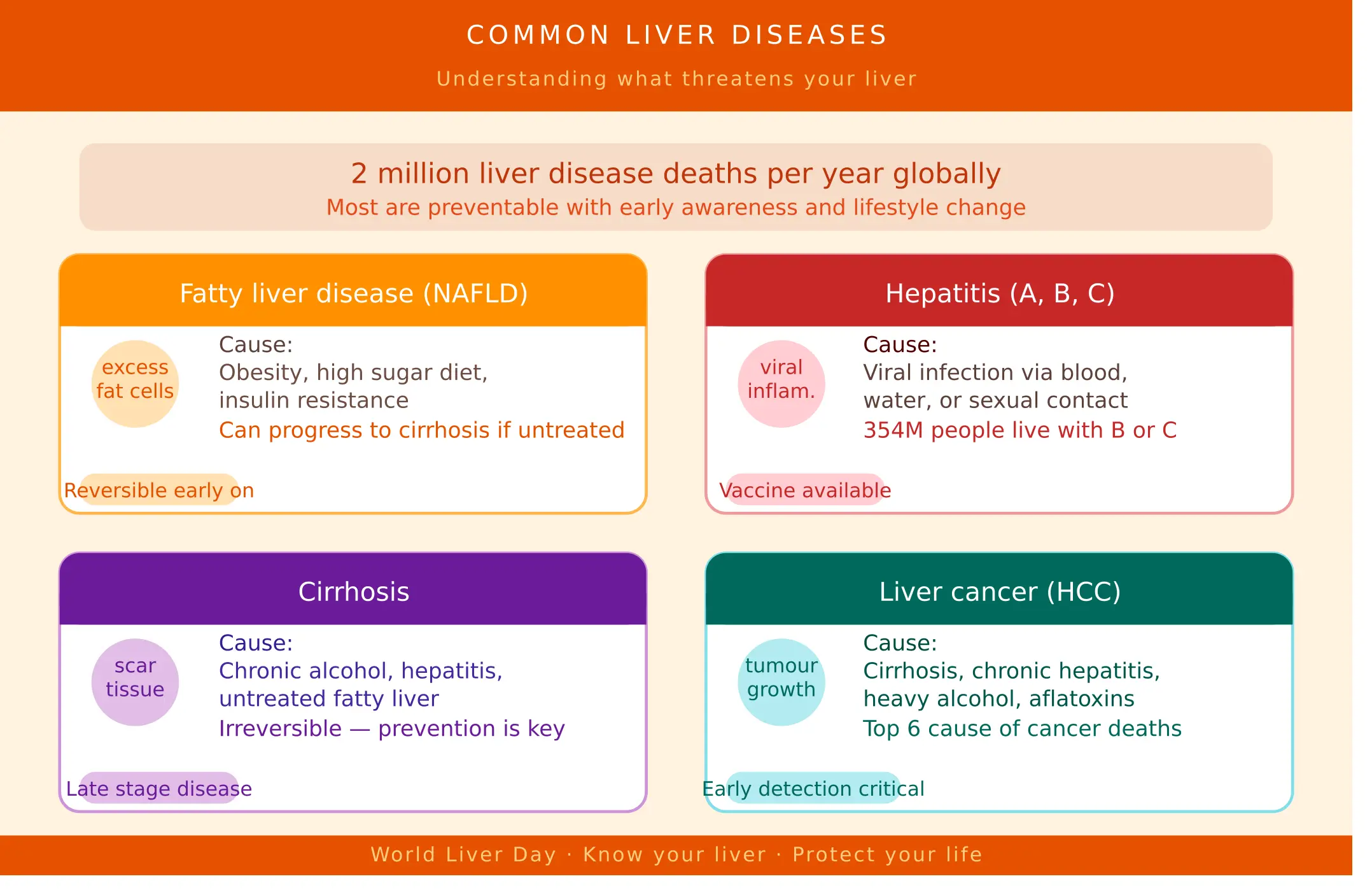
Non-alcoholic fatty liver disease, or NAFLD, has become one of the most prevalent liver conditions in the world. It occurs when excess fat accumulates in liver cells, impairing their normal function. NAFLD is closely linked to obesity, type 2 diabetes, high cholesterol, and poor dietary habits. In its early stages, it causes no symptoms, but if left unmanaged, it can progress to non-alcoholic steatohepatitis (NASH), fibrosis, and eventually cirrhosis.
Hepatitis
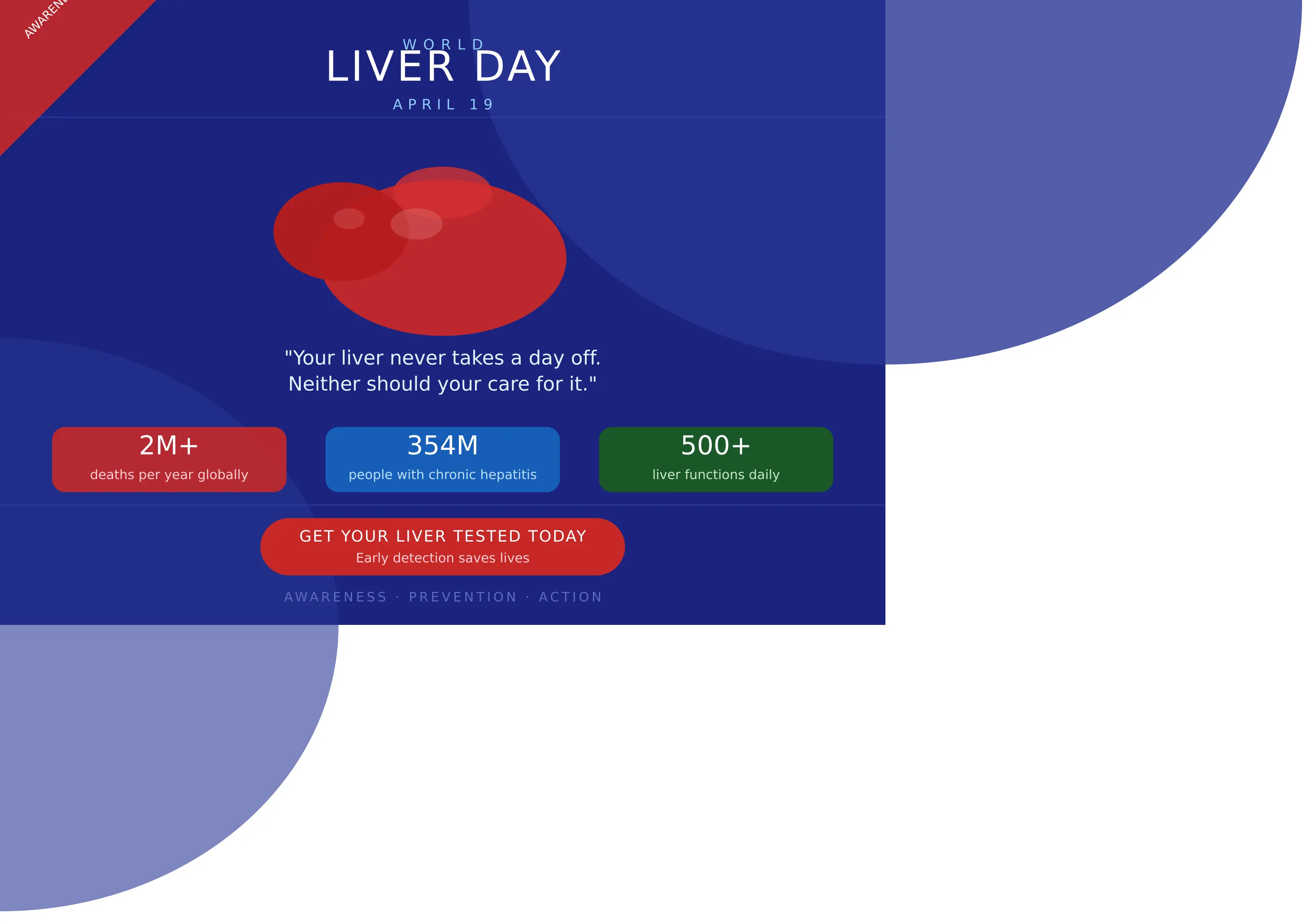
Hepatitis refers to inflammation of the liver, most commonly caused by viral infections — specifically Hepatitis A, B, and C. Hepatitis B and C are particularly dangerous because they can become chronic, leading to long-term liver damage, cirrhosis, and liver cancer. Globally, an estimated 354 million people are living with chronic hepatitis B or C, according to the World Health Organization. Many do not even know they are infected.
Cirrhosis
Cirrhosis is a late-stage liver disease in which healthy liver tissue is replaced by scar tissue, severely impairing the liver's ability to function. It is most commonly caused by chronic alcohol abuse, viral hepatitis, or untreated fatty liver disease. Cirrhosis is irreversible, making prevention and early intervention critically important.
Liver Cancer
Hepatocellular carcinoma, the most common form of liver cancer, typically develops in people who already have chronic liver disease. It is one of the leading causes of cancer-related deaths globally. Risk factors include cirrhosis, chronic hepatitis B or C infection, heavy alcohol use, and exposure to aflatoxins — toxic compounds found in contaminated food.
Key insights:
- Fatty liver disease affects millions globally and is largely lifestyle-driven
- Viral hepatitis B and C are leading causes of chronic liver disease worldwide
- Cirrhosis is irreversible, making early-stage prevention critical
- Liver cancer risk increases significantly in those with existing liver damage
- Many liver diseases show no symptoms until they reach advanced stages
Causes of Liver Damage
Poor Diet
A diet high in processed foods, refined sugars, saturated fats, and artificial additives places enormous strain on the liver. The liver must work harder to process and neutralize these substances, and over time, excess fat begins to accumulate in liver cells, setting the stage for fatty liver disease and inflammation.
Alcohol Consumption
Excessive and chronic alcohol consumption is one of the leading causes of liver disease globally. Alcohol is directly toxic to liver cells and triggers inflammatory responses that, over time, lead to alcoholic fatty liver disease, alcoholic hepatitis, and ultimately cirrhosis. Even moderate drinking, when sustained over years, can cause measurable liver damage.
Viral Infections
Hepatitis viruses — particularly types A, B, and C — are transmitted through contaminated food, water, blood, or sexual contact. These infections trigger immune-mediated inflammation in the liver that, if not treated, progresses to chronic disease and structural damage.
Sedentary Lifestyle
Physical inactivity contributes to obesity and insulin resistance, both of which are directly linked to NAFLD. A sedentary lifestyle also impairs circulation and metabolic efficiency, making it harder for the liver to process fats and regulate blood sugar effectively.
Key insights:
- Processed foods and refined sugars are among the top dietary threats to liver health
- Alcohol is directly toxic to liver cells even in moderate amounts over time
- Hepatitis viruses are a leading global cause of chronic liver inflammation
- Inactivity and obesity dramatically increase the risk of fatty liver disease
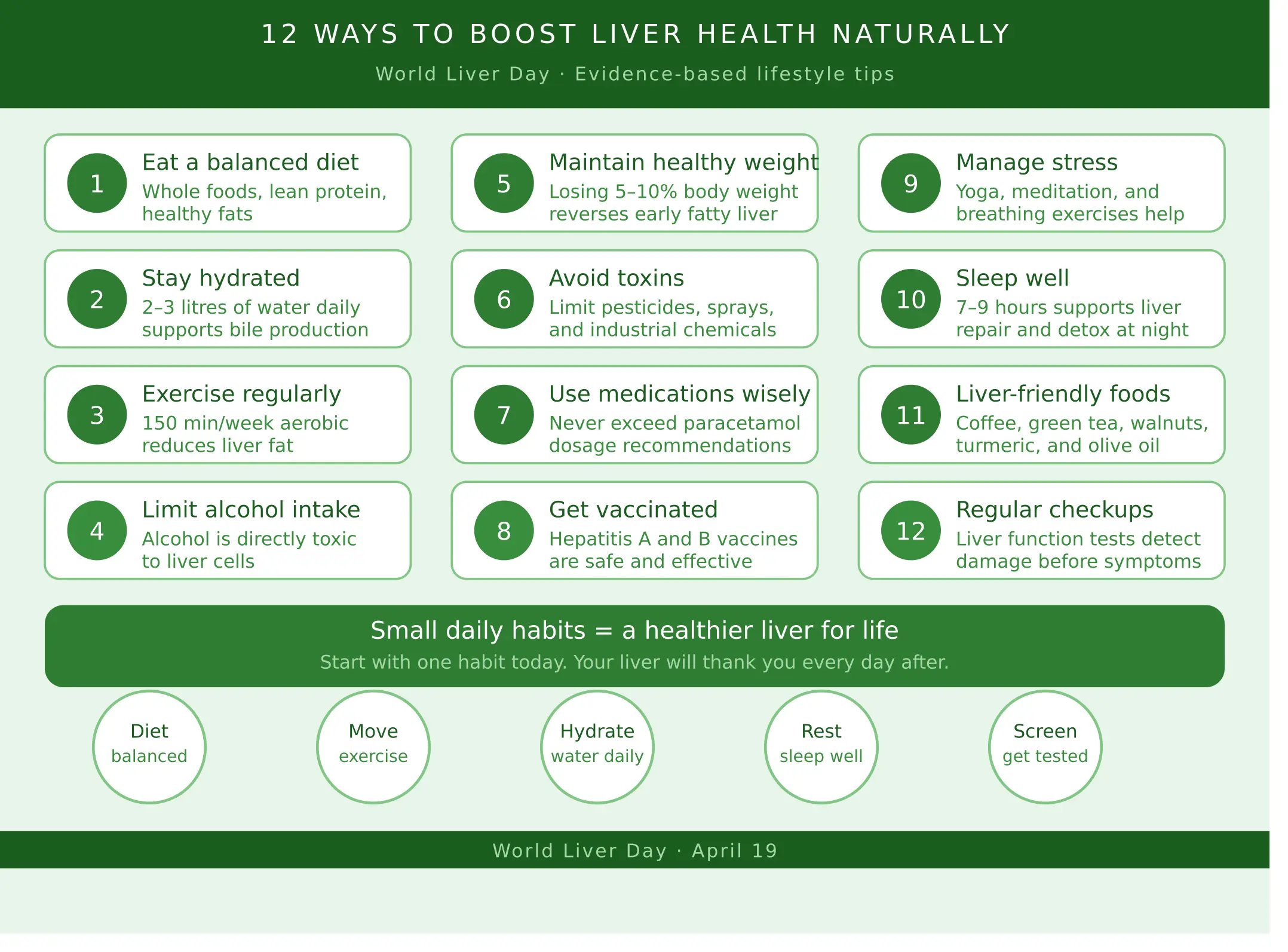
12 Powerful Ways to Boost Liver Health Naturally
Eat a Balanced Diet
Focus on whole, unprocessed foods — vegetables, fruits, whole grains, lean proteins, and healthy fats. A balanced diet reduces fat accumulation in liver cells and provides the antioxidants and micronutrients the liver needs to function optimally.
Stay Hydrated
Water is essential for every metabolic process the liver carries out. Proper hydration helps flush waste products efficiently and supports bile production. Aim for at least 2 to 3 liters of water daily, more if you are physically active.
Exercise Regularly
Regular aerobic exercise — at least 150 minutes per week — has been shown to reduce liver fat, improve insulin sensitivity, and lower inflammation. Even brisk walking is sufficient to produce meaningful benefits for liver health over time.
Limit Alcohol Intake
Reducing or eliminating alcohol consumption is one of the single most impactful steps you can take for liver health. If you do drink, keep it within medically recommended limits — no more than one drink per day for women and two for men.
Maintain Healthy Weight
Obesity, particularly abdominal obesity, is a primary driver of NAFLD. Losing even 5 to 10 percent of body weight through diet and exercise can significantly reduce liver fat and reverse early-stage fatty liver disease.
Avoid Toxins
Minimize exposure to chemical toxins found in cleaning products, pesticides, aerosol sprays, and industrial chemicals. When unavoidable, use protective equipment. These substances can be absorbed into the bloodstream and add to the liver's detoxification burden.
Use Medications Wisely
Over-the-counter medications, particularly acetaminophen (paracetamol), can cause serious liver damage when taken in excess. Always follow dosage instructions and consult a physician before combining medications, especially if you consume alcohol regularly.
Get Vaccinated
Vaccines for Hepatitis A and Hepatitis B are safe, effective, and widely available. Getting vaccinated is one of the most straightforward preventive measures you can take to protect your liver from viral infection.
Manage Stress
Chronic stress elevates cortisol levels, which disrupts metabolic function and can exacerbate liver inflammation. Practices like yoga, meditation, deep breathing, and spending time in nature are all effective in lowering stress and supporting liver health indirectly.
Sleep Well
During deep sleep, the body undergoes significant repair and detoxification processes. Poor or insufficient sleep is linked to increased liver fat and elevated inflammatory markers. Prioritize 7 to 9 hours of quality sleep each night.
Include Liver-Friendly Foods
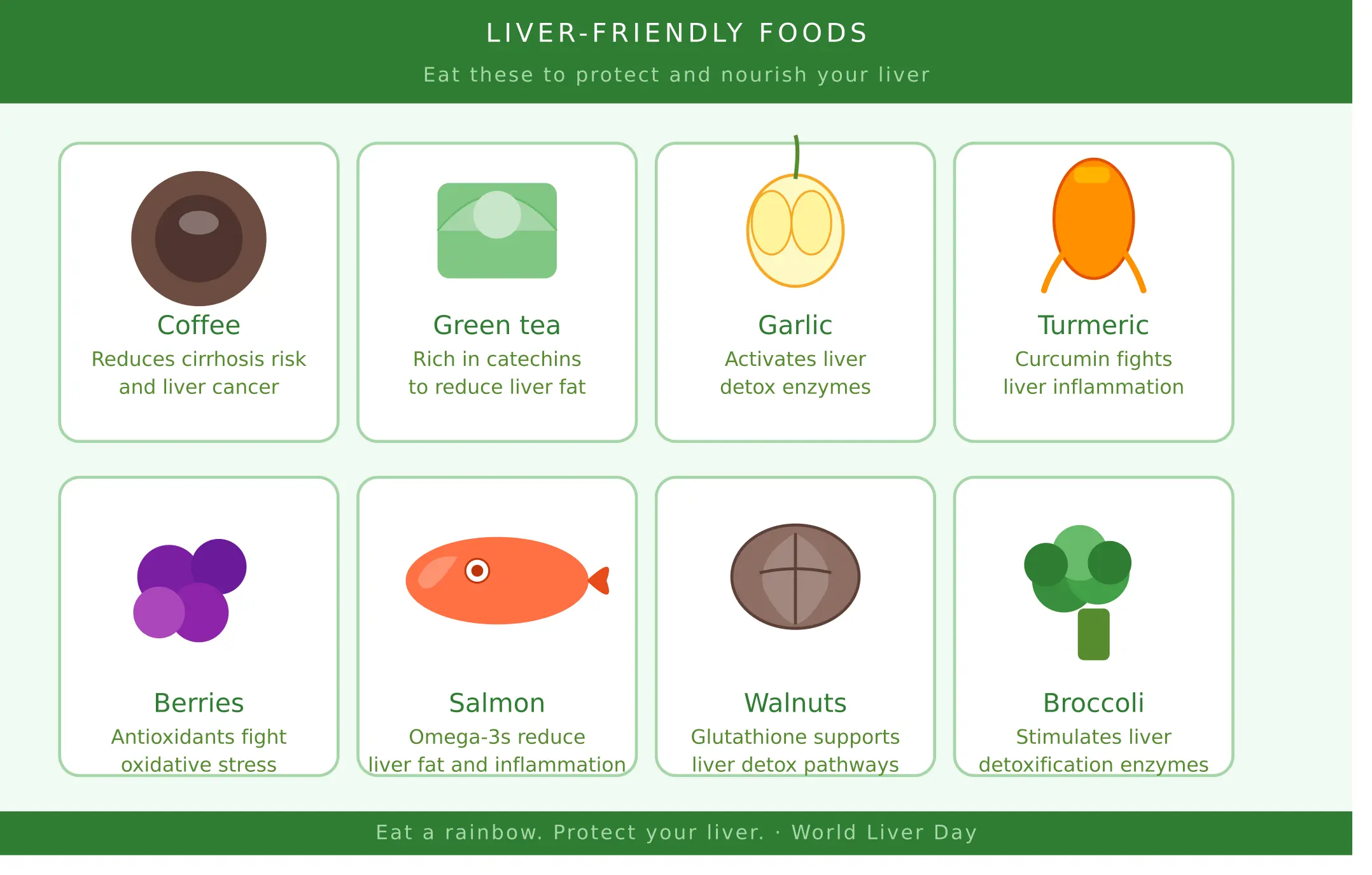
Certain foods have demonstrated specific benefits for liver health. These include coffee, which has been linked to a lower risk of cirrhosis and liver cancer; green tea, rich in catechins that reduce liver fat; garlic, which activates liver enzymes; turmeric, known for its anti-inflammatory curcumin content; and cruciferous vegetables like broccoli and Brussels sprouts, which stimulate detoxification enzymes.
Regular Health Checkups
Many liver diseases are asymptomatic in early stages. Regular blood tests, including liver function tests, can detect elevated liver enzymes and other markers before significant damage occurs. If you have risk factors for liver disease, proactive screening is non-negotiable.
Key insights:
- Diet, hydration, and exercise form the foundation of natural liver health
- Alcohol reduction is among the most impactful single changes you can make
- Vaccines for Hepatitis A and B offer powerful preventive protection
- Liver-friendly foods provide targeted nutritional support for liver function
- Regular medical checkups catch liver problems before they become severe
Role of Diet in Liver Health
Foods to Eat
A liver-supportive diet centers on nutrient-dense, anti-inflammatory foods. Prioritize leafy greens like spinach and kale, which are high in chlorophyll and support bile flow. Berries and citrus fruits provide vitamin C and antioxidants that combat oxidative stress in liver cells. Oily fish such as salmon and sardines deliver omega-3 fatty acids that reduce liver inflammation and fat accumulation. Nuts, particularly walnuts, are rich in arginine and glutathione, both of which support liver detoxification. Olive oil improves liver enzyme levels and reduces fat deposits. Coffee remains one of the most research-backed foods for liver protection, with studies showing it lowers the risk of liver fibrosis and cancer in regular drinkers.
Foods to Avoid
On the other side of the dietary equation, several food categories consistently harm liver health. Ultra-processed foods and fast food are dense in trans fats, sodium, and artificial additives that the liver must work overtime to process. Sugary beverages — particularly those containing high-fructose corn syrup — drive fat accumulation in the liver rapidly. Red and processed meats, consumed in excess, increase liver inflammation. Alcohol, as discussed, remains the most potent dietary threat to liver health. Refined carbohydrates like white bread, white rice, and pastries spike blood sugar and contribute to metabolic liver stress.
Key insights:
- Leafy greens, berries, oily fish, and coffee are standout liver-protective foods
- High-fructose corn syrup is particularly damaging to liver cells
- Trans fats and ultra-processed foods add significant stress to liver function
- A Mediterranean-style dietary pattern broadly supports liver health
Importance of World Liver Day Awareness
Global Impact
Liver disease is a global public health emergency that receives far less attention than its scale demands. According to global health data, liver diseases are responsible for approximately two million deaths annually. A significant proportion of these deaths are preventable through early detection, lifestyle modification, and vaccination. World Liver Day amplifies this message on an international stage, encouraging governments, healthcare providers, and individuals alike to prioritize liver health in policy and personal practice.
Community Initiatives
Across the world, World Liver Day is marked by free liver screening camps, public awareness campaigns, social media movements, hospital open days, and educational webinars. Medical associations publish updated guidelines, patient advocacy groups share survivor stories, and researchers highlight the latest advances in liver treatment and diagnostics. These community-level initiatives are crucial in reaching populations who may otherwise have limited access to liver health information, particularly in low- and middle-income countries where the burden of viral hepatitis is highest.
Key insights:
- Liver diseases cause approximately two million deaths globally each year
- Most of these deaths are preventable with the right knowledge and care
- World Liver Day drives community action, early screening, and policy change
- Awareness campaigns are especially vital in high-burden, low-resource regions
FAQs
What is the main purpose of World Liver Day?
World Liver Day, observed every April 19th, is dedicated to raising global awareness about liver diseases, their prevention, and the importance of early diagnosis. It encourages governments, healthcare professionals, and individuals to take proactive steps toward liver health through education, screening programs, and lifestyle improvement initiatives that can significantly reduce the burden of preventable liver conditions worldwide.
What are the early warning signs of liver disease?
Early signs of liver disease are often subtle and easy to overlook. They may include persistent fatigue, loss of appetite, mild abdominal discomfort in the upper right area, nausea, and unexplained weight loss. As the condition progresses, jaundice — yellowing of the skin and eyes — may appear. Because many liver diseases are asymptomatic early on, regular blood tests remain the most reliable way to detect problems.
Can fatty liver disease be reversed naturally?
Yes, early-stage non-alcoholic fatty liver disease can often be reversed through sustained lifestyle changes. Losing 5 to 10 percent of body weight, adopting a balanced diet low in sugar and processed fats, exercising regularly, and eliminating alcohol consumption have all been clinically shown to reduce liver fat and restore liver enzyme levels to normal ranges over several months of consistent effort.
Which foods are best for liver health?
The most liver-supportive foods include coffee, green tea, leafy greens like spinach and kale, cruciferous vegetables such as broccoli and Brussels sprouts, berries, oily fish rich in omega-3s, walnuts, olive oil, garlic, and turmeric. These foods provide antioxidants, anti-inflammatory compounds, and micronutrients that directly support the liver's detoxification, metabolic, and regenerative functions.
How often should I get my liver function tested?
For healthy individuals with no risk factors, a liver function test every one to two years during routine blood work is generally sufficient. However, if you have risk factors such as obesity, diabetes, heavy alcohol use, or a history of hepatitis exposure, your physician may recommend more frequent monitoring — possibly every three to six months — to catch any early changes in liver enzyme levels before they escalate.
Conclusion
World Liver Day is not just a date on the health calendar — it is a call to action. The liver works silently and selflessly every single moment of your life, managing thousands of biochemical processes that keep you functioning, energized, and alive. Yet it is one of the most neglected organs when it comes to everyday health choices.
The good news is that the liver is also one of the most resilient and regenerative organs in the human body. When given the right conditions — a nourishing diet, regular physical activity, adequate hydration, limited alcohol, reduced toxin exposure, and timely medical attention — it has a remarkable capacity to heal and recover.
This World Liver Day, make a commitment. Whether it is scheduling a liver function test you have been postponing, swapping that sugary drink for water, or simply learning more about the conditions that put your liver at risk, every action counts. Share this knowledge with those around you. Awareness is the first step, but action is what saves lives.
Your liver has been quietly protecting you for years. It is time to return the favor.
Click below to generate summary