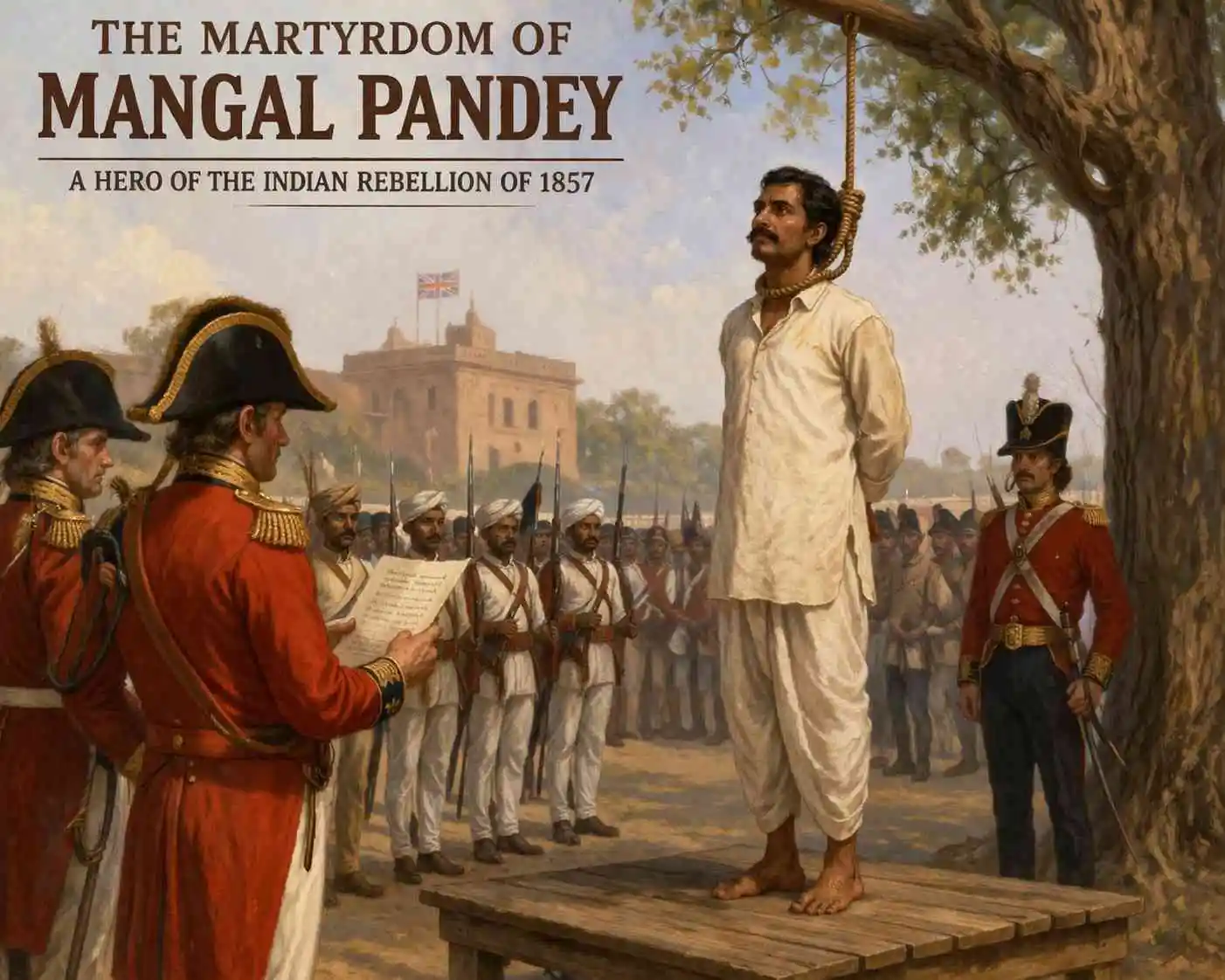
India’s freedom movement involved many individuals who sacrificed their comfort, security, and even their lives for independence. Among these brave revolutionaries, Rajguru stands out for his fearless commitment and deep patriotism. He played a key role in resisting British authority and embodied youthful courage and revolutionary spirit at a time when the nation faced colonial rule.
Rajguru’s life represents the spirit of resistance that motivated a generation of Indians. His actions stemmed not from hatred but from a strong sense of justice and a desire to awaken the masses. Rajguru, discussing his early life, revolutionary activities, beliefs, role in the freedom struggle, trial, martyrdom, and enduring impact on Indian society.
Early Life and Background
Shivaram Hari Rajguru was born on 24 August 1908 in Khed village near Pune, in what is now Maharashtra. He came from a family that valued education, discipline, and cultural traditions. Orphaned early, Rajguru was raised by relatives who supported his academic and moral growth.
From a young age, Rajguru showed remarkable intelligence and physical strength. He was inspired by stories of Indian heroes and the injustices of British rule. His exposure to nationalist literature and revolutionary writings sparked a sense of purpose that shaped his future.
Education and Ideological Influences
Rajguru completed his early education in Pune and later in Varanasi, a city known for its intellectual and cultural background. During his school years, he encountered revolutionary ideas that challenged colonial authority and promoted active resistance.
He drew inspiration from the sacrifices of earlier revolutionaries and the discontent growing among Indian youth. Rajguru believed that political freedom could not come from passive resistance alone and that direct action was vital to confront oppressive systems.
Entry into Revolutionary Movement
Rajguru began his revolutionary path by joining groups dedicated to ending British rule. He became an active member of the Hindustan Socialist Republican Association, which sought a free India based on equality and social justice.
Within the organization, Rajguru earned a reputation for his discipline, bravery, and sharp shooting skills. This commitment gained him the trust of senior leaders, leading him to contribute to plans for major actions against the colonial government.
Role in the Indian Freedom Struggle
Rajguru’s most important contributions occurred during a time of heightened political tension in India. British policies, harsh laws, and the violent suppression of protests fostered widespread anger among Indians.
Rajguru and his associates believed that bold action was needed to send a strong message to the colonial rulers. Their goal was not personal fame but to awaken national consciousness and encourage resistance.
Assassination of a British Official
One of the key moments in Rajguru’s life was his involvement in the assassination of a senior British officer responsible for oppressive policies. This act aimed to respond to the injustices faced by Indian citizens.
Rajguru executed his role with precision and bravery, showing his readiness to give his life for the nation. The event rattled the British administration and drew significant attention to the revolutionary movement.
Arrest and Trial
After the assassination, Rajguru was arrested along with other revolutionaries. The British government held a prominent trial to suppress revolutionary actions and set an example.
During the trial, Rajguru remained fearless and dignified. He openly took responsibility for his actions and utilized the courtroom to express his patriotic beliefs. His courage under pressure earned him admiration across the country.
Martyrdom and Execution
Rajguru received a death sentence along with his fellow revolutionaries. On 23 March 1931, he was executed, marking one of the most touching moments in India’s fight for independence.
His martyrdom ignited widespread protests and mourning across the country. For many Indians, Rajguru became a symbol of youthful sacrifice and unwavering commitment to freedom.
Impact on the Freedom Movement
Rajguru’s sacrifice had a significant effect on the Indian independence movement. It intensified public opposition to British rule and strengthened the resolve of freedom fighters.
His actions showcased the anger against colonial oppression and forced political leaders to rethink their strategies for achieving independence.
Ideology and Beliefs
Rajguru believed in total independence and social equality. He envisioned an India free from exploitation, where citizens could live with dignity and justice.
While he supported revolutionary action, his ultimate goal was peace and freedom. His beliefs combined nationalism, socialism, and a sense of ethical responsibility.
Public Perception and Legacy
Over the years, Rajguru has been recognized as a national hero. His life story is taught in schools, and his sacrifice is honored through memorials and cultural events.
Rajguru’s legacy continues to inspire young Indians to fight against injustice and strive for a fairer society.
Representation in Literature and Media
Rajguru has been depicted in various books, films, and documentaries that emphasize his bravery and dedication. These portrayals help keep his memory alive and introduce his story to new generations.
Such cultural representations highlight the personal aspects of revolutionary struggle and the emotional toll of pursuing freedom.
Comparison with Contemporary Revolutionaries
Rajguru collaborated with other notable revolutionaries who shared similar values. Each played a unique role, but their combined efforts strengthened the movement.
Rajguru’s distinct contribution was his courageous execution of vital actions and his willingness to accept the consequences.
Relevance in Modern India
Even many years after independence, Rajguru’s life remains significant. His commitment to justice, bravery in adversity, and sense of duty offer important lessons for contemporary society.
In a world confronting new forms of inequality and oppression, his ideals inspire ethical action and social responsibility.
Lessons from Rajguru’s Life
Rajguru’s journey highlights the importance of conviction, discipline, and selflessness. His readiness to sacrifice personal goals for national freedom serves as a powerful example of true patriotism.
His life reminds us that meaningful change often demands courage and moral clarity.
Conclusion
Rajguru’s life and sacrifice represent a crucial chapter in India’s freedom struggle. From his early years to his revolutionary efforts and eventual martyrdom, his story reflects unwavering dedication to the nation.
Remembering Rajguru is not just about honoring the past; it also calls us to uphold values of justice, courage, and responsibility. His legacy continues to motivate generations toward a society built on freedom and equality.
Click below to generate summary