Acharya Kripalani occupies a unique and often understated place in Indian political history. Unlike leaders remembered mainly for holding power, Kripalani is remembered for holding principles. A freedom fighter, educationist, parliamentarian, and fearless dissenter, his life traced the moral arc of India’s political evolution—from colonial resistance to post-independence democracy.
Known for his austere lifestyle, uncompromising integrity, and intellectual depth, Kripalani represented a rare blend of Gandhian idealism and constitutional commitment. While many leaders transitioned smoothly from the freedom struggle to governance, he chose a more difficult path—one of critique, accountability, and ideological independence. His journey offers critical insight into how democracy survives not just through power, but through opposition.
Early Life and Family Background
Acharya Kripalani was born on 11 November 1888 in Hyderabad, Sindh, a region that was then part of British India and is now in Pakistan. His early environment exposed him to the complexities of colonial administration, cultural plurality, and emerging nationalist ideas. These influences shaped his intellectual curiosity and political awareness from a young age.
Growing up in a time of social reform and nationalist awakening, Kripalani developed a strong inclination toward education and ethical living. His formative years laid the foundation for a life committed to public service, discipline, and truth.
-
Born in colonial Sindh in 1888
-
Raised during India’s early nationalist awakening
-
Influenced by social reform and intellectual inquiry
Academic Journey and Intellectual Formation
Kripalani’s academic path reflected his deep interest in understanding society, history, and economic structures. He graduated from Fergusson College in Pune, one of India’s leading educational institutions of the time. He later earned a Master’s degree in History and Economics, equipping him with analytical tools that would inform both his political and ideological positions.
Education was not merely a career step for him but a moral pursuit. His academic grounding strengthened his belief that political freedom had to be accompanied by intellectual and ethical clarity.
-
Graduate of Fergusson College, Pune
-
Earned M.A. in History and Economics
-
Strong belief in education as a tool for national rebuilding
Marriage to Sucheta Kripalani and Personal Life
Acharya Kripalani was married to Sucheta Kripalani, a prominent freedom fighter who later became India’s first woman Chief Minister in Uttar Pradesh. Their relationship was notable not only for its political significance but also for its ideological independence.
Despite sharing a commitment to public life, the couple often found themselves on opposing sides of political debates. Their marriage symbolized mutual respect, democratic disagreement, and individual conviction—rare qualities in public life.
-
Married to Sucheta Kripalani
-
Both active in national politics
-
Maintained ideological independence within marriage
Entry into the Freedom Movement
Kripalani’s active involvement in India’s independence movement began under the direct influence of Mahatma Gandhi. His commitment to non-violence, truth, and mass participation reflected Gandhian principles in both thought and action.
He played an instrumental role in the Champaran Satyagraha of 1917, which addressed the exploitation of indigo farmers. This experience firmly established his belief that political freedom must address grassroots injustice.
-
Early association with Mahatma Gandhi
-
Active participant in Champaran Satyagraha
-
Focused on mass-based, ethical resistance
The Meaning of the Title “Acharya”
The title “Acharya,” meaning teacher or moral guide, was not honorary but earned through service. Kripalani received this title while serving as the Principal of Gujarat Vidyapeeth between 1920 and 1927. The institution, founded by Gandhi, aimed to promote nationalist education rooted in Indian values.
His leadership at Gujarat Vidyapeeth reflected his belief that education should prepare citizens for ethical public life rather than colonial employment.
-
Principal of Gujarat Vidyapeeth
-
Promoted nationalist education
-
Earned title through teaching and service
Role in Major Gandhian Movements
Kripalani was deeply involved in all major Gandhian movements, including the Non-Cooperation Movement, Civil Disobedience Movement, and Quit India Movement. He faced arrests, hardships, and political isolation without compromising his principles.
His participation was not symbolic; he worked behind the scenes organizing cadres, mobilizing public opinion, and maintaining discipline within the movement.
-
Active in Non-Cooperation Movement
-
Participated in Civil Disobedience campaigns
-
Involved in Quit India Movement
Leadership in the Indian National Congress
Kripalani served as the General Secretary of the Indian National Congress for twelve crucial years, from 1934 to 1945. This period required organizational discipline, ideological clarity, and negotiation with both colonial authorities and internal factions.
In 1946, he was elected Congress President, leading the party during the decisive phase that culminated in independence and the transfer of power in 1947.
-
INC General Secretary for 12 years
-
Elected Congress President in 1946
-
Led party during independence transition
Role During the Transfer of Power
As Congress President during 1946–1947, Kripalani faced one of the most complex political moments in Indian history. The period involved negotiations with the British, communal tensions, and preparations for self-rule.
Although executive authority shifted after independence, his moral leadership during this phase helped maintain political continuity and democratic commitment.
-
Oversaw Congress during independence
-
Navigated political uncertainty
-
Emphasized democratic responsibility
Contribution to the Constituent Assembly
Kripalani holds the distinction of being the first member to address the Constituent Assembly of India. His speech set the tone for democratic deliberation, constitutional morality, and civil liberties.
As Chairman of the Fundamental Rights Sub-Committee, he played a vital role in shaping the rights framework that would protect citizens in independent India.
-
First speaker in Constituent Assembly
-
Chairman of Fundamental Rights Sub-Committee
-
Advocate of civil liberties
Ideological Differences and Exit from Congress
In 1951, Acharya Kripalani resigned from the Indian National Congress due to ideological differences with Prime Minister Jawaharlal Nehru. His resignation was based on concerns about centralized power and erosion of internal democracy.
Rather than retreat from public life, he chose to create an alternative political platform grounded in democratic socialism and ethical governance.
-
Resigned from INC in 1951
-
Differences over ideology and governance
-
Chose principle over political convenience
Founding of Kisan Mazdoor Praja Party
After leaving Congress, Kripalani founded the Kisan Mazdoor Praja Party (KMPP). The party aimed to represent farmers, workers, and marginalized groups within a democratic framework.
Though the party later merged into the Praja Socialist Party, it played an important role in shaping post-independence opposition politics.
-
Founded KMPP in 1951
-
Focused on agrarian and labor issues
-
Strengthened opposition politics
Parliamentary Career and Democratic Opposition
Kripalani remained an active parliamentarian and one of the strongest voices of opposition in independent India. He believed that democracy required vigilant scrutiny of those in power, regardless of their role in the freedom struggle.
His speeches were known for intellectual rigor, ethical reasoning, and constitutional awareness.
-
Served as opposition leader
-
Advocated parliamentary accountability
-
Known for principled debate
First No-Confidence Motion in Indian History
In 1963, following the India-China War, Kripalani moved the first-ever no-confidence motion in the Lok Sabha. The motion questioned governmental preparedness and accountability, marking a milestone in parliamentary democracy.
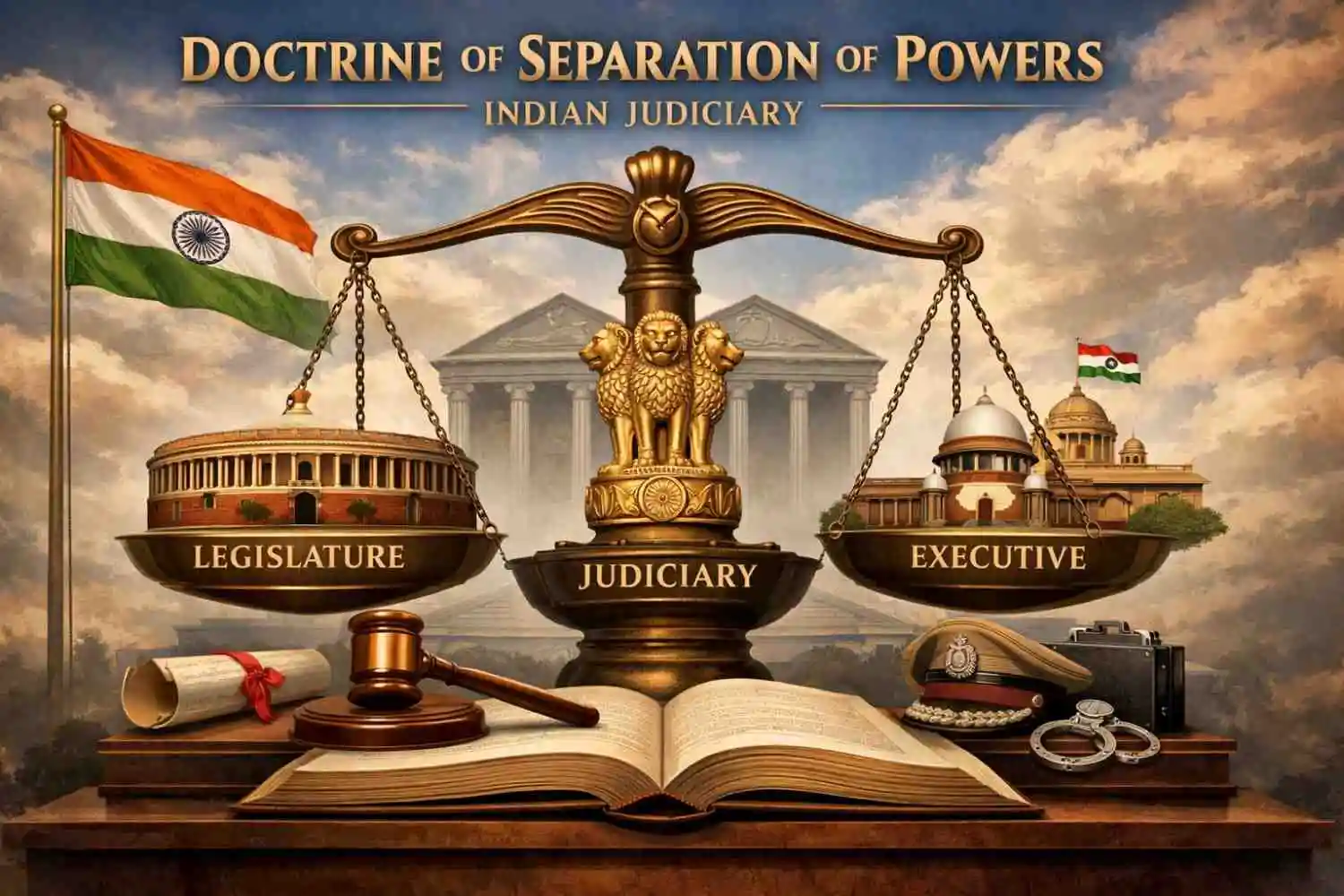
Though the motion did not succeed, it institutionalized the idea that the executive must answer to the legislature.
-
Moved first no-confidence motion
-
Raised issues of accountability
-
Strengthened parliamentary norms
Stand Against the Emergency
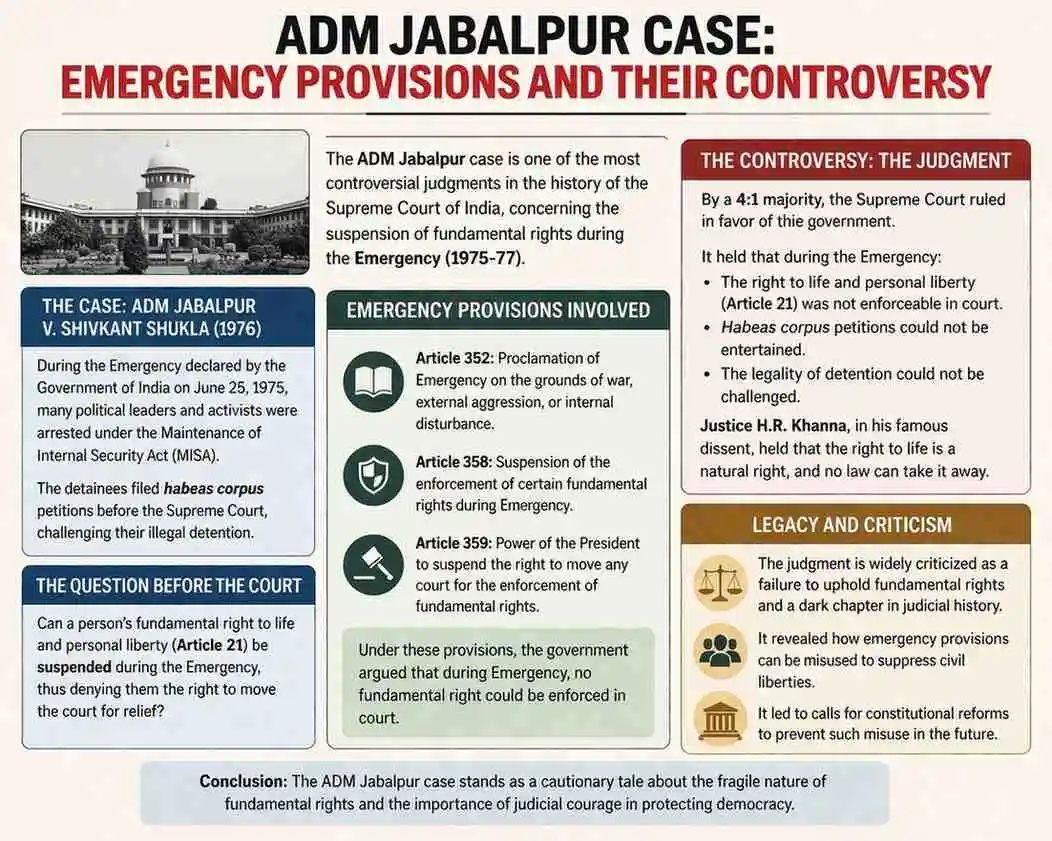
During the Emergency imposed in 1975, Acharya Kripalani emerged as one of the earliest and most outspoken critics of authoritarianism. His opposition was rooted in constitutional values rather than partisan politics.
He was among the first opposition leaders to be arrested, reinforcing his lifelong commitment to civil liberties and democratic resistance.
-
Opposed the 1975 Emergency
-
Arrested for dissent
-
Defended constitutional democracy
Final Years and Death
Acharya Kripalani spent his later years reflecting on India’s political evolution and advocating ethical public life. He passed away on 19 March 1982 in Ahmedabad at the age of 93.
His death marked the passing of a generation that viewed politics as moral service rather than personal ambition.
-
Died in 1982 at age 93
-
Spent final years in reflection
-
Left behind moral-political legacy
Historical Legacy and Relevance Today
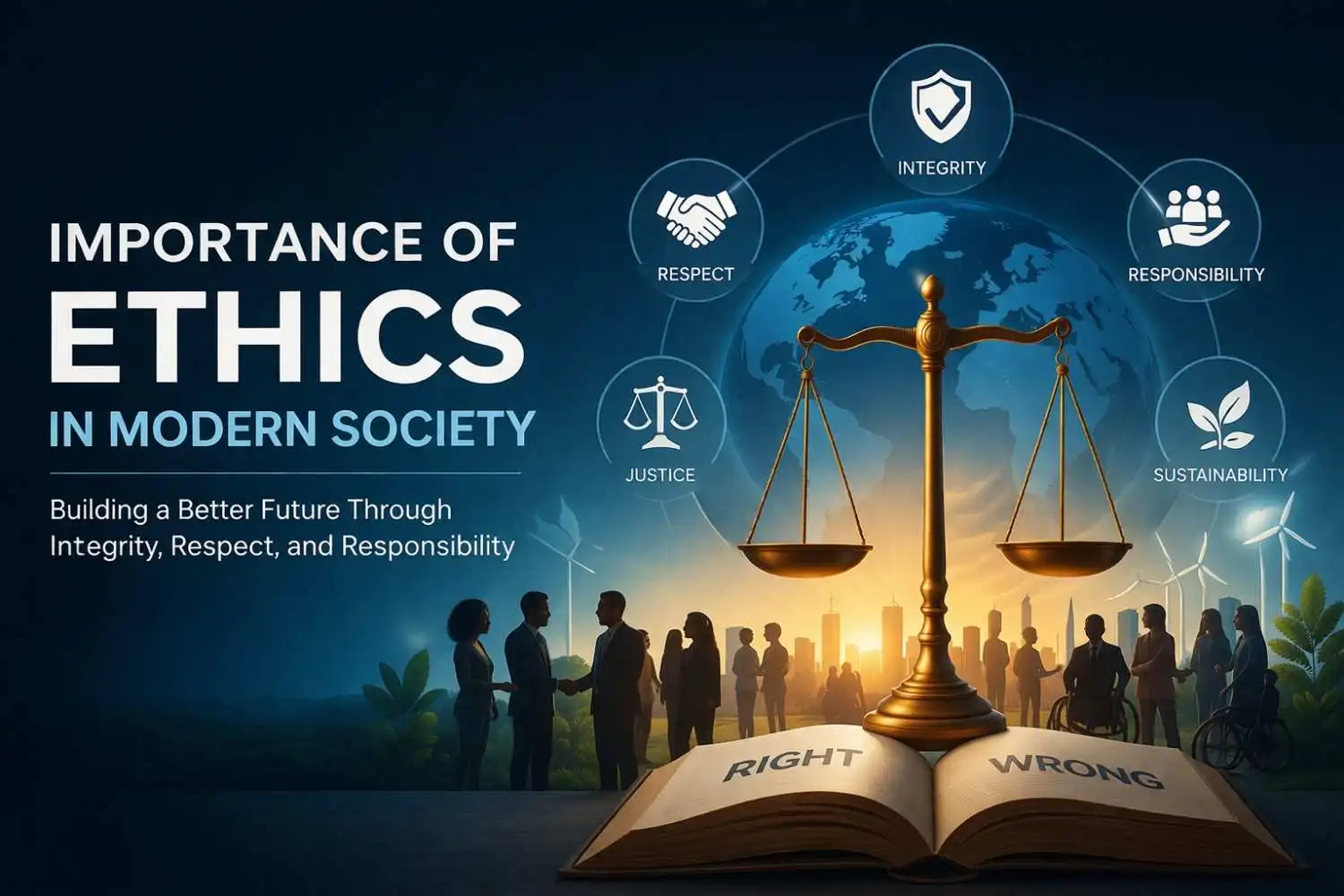
Kripalani’s legacy lies not in monuments or dynasties but in democratic conscience. He demonstrated that disagreement strengthens democracy and that opposition can be patriotic.
In an era of polarized politics, his life offers lessons in restraint, integrity, and principled dissent.
-
Symbol of ethical opposition
-
Advocate of democratic values
-
Relevant to modern governance debates
Conclusion
Acharya Kripalani’s life reminds us that freedom does not end with independence. It must be continuously protected through vigilance, dissent, and ethical leadership. As a freedom fighter, constitution-maker, opposition leader, and moral voice, he embodied the democratic spirit in its truest form.
His courage to disagree, willingness to stand alone, and refusal to compromise on values make him one of the most important yet underappreciated figures in Indian history. In remembering Acharya Kripalani, we are reminded that democracy survives not by silence, but by conscience.
Click below to generate summary