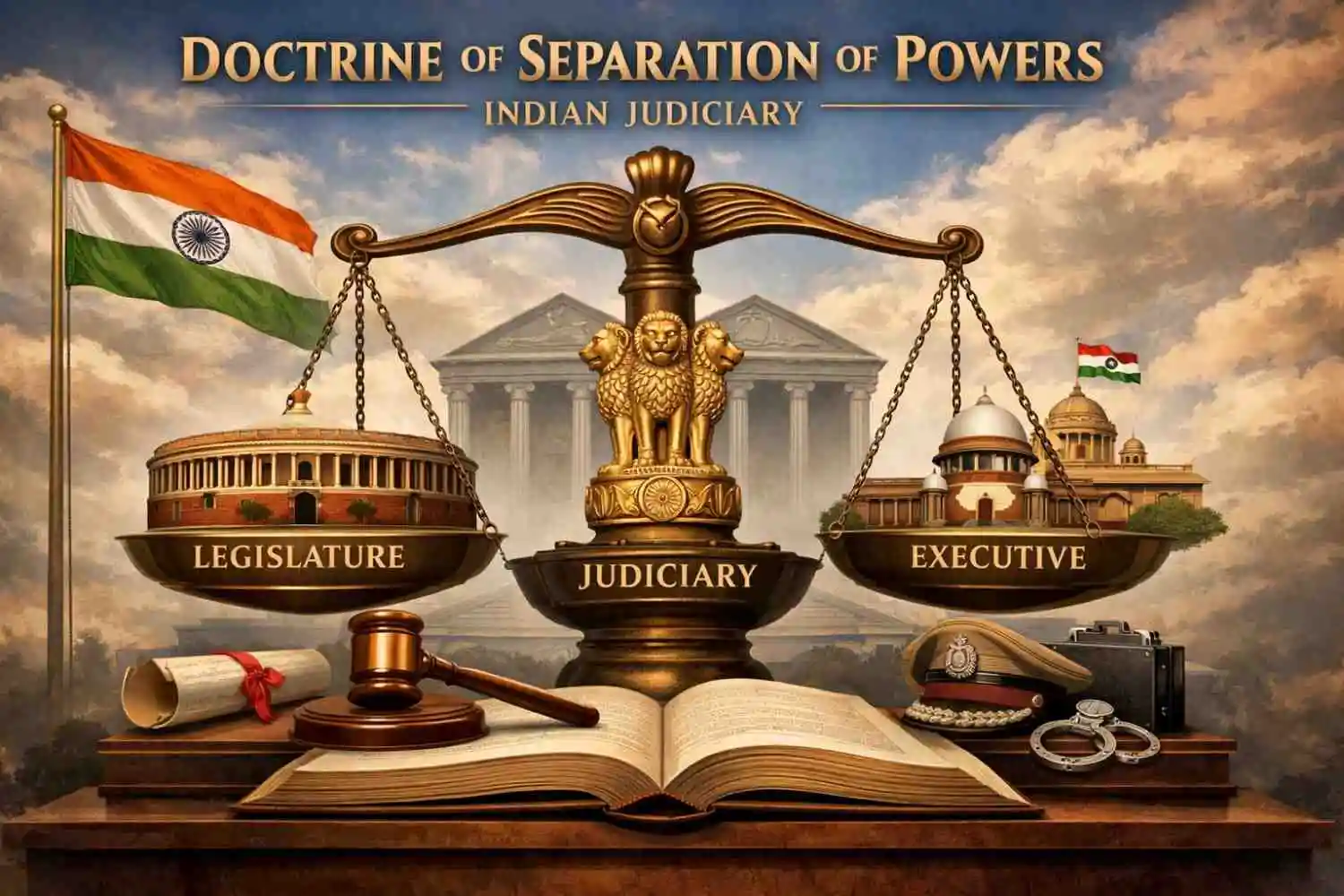
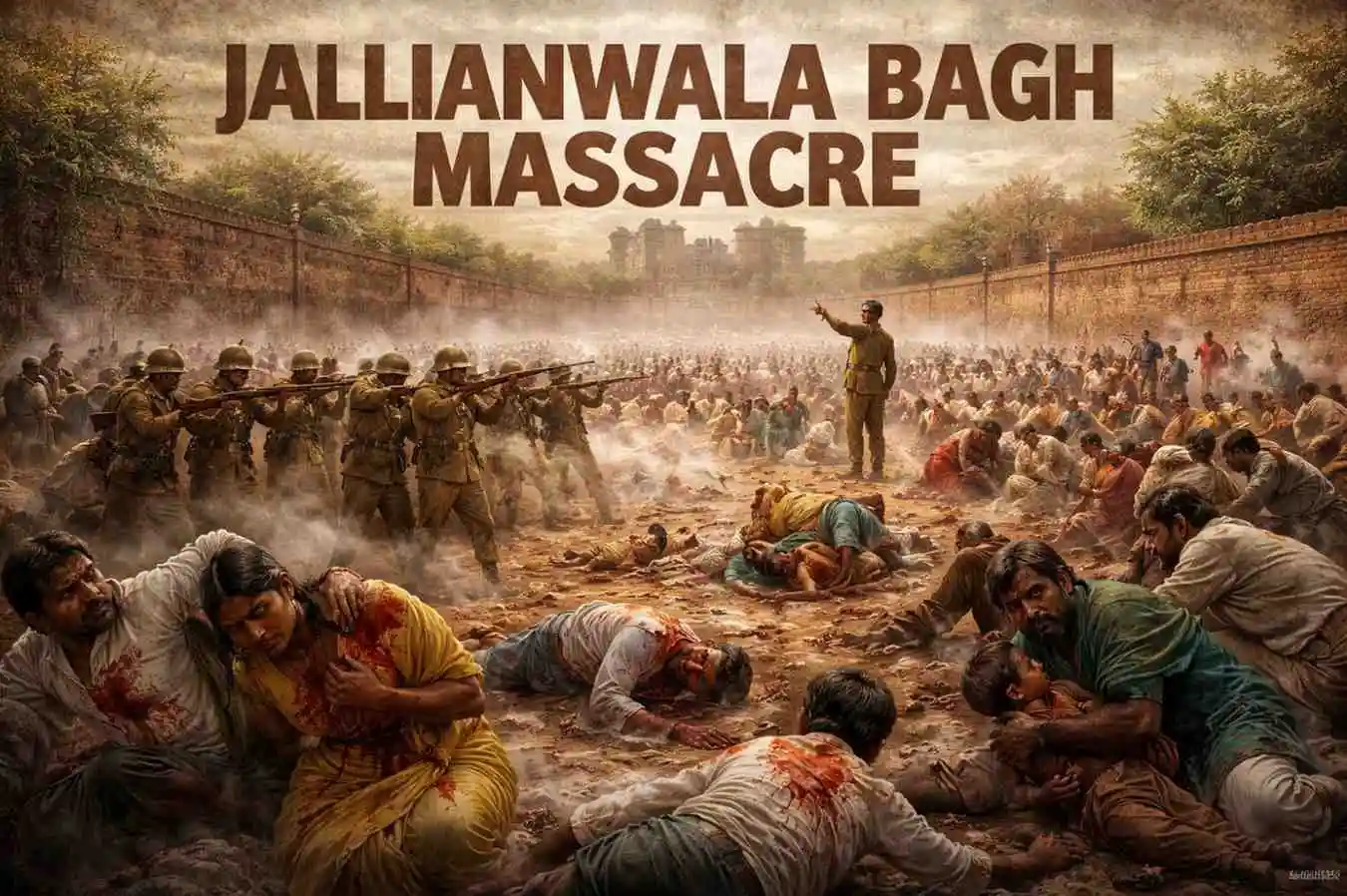
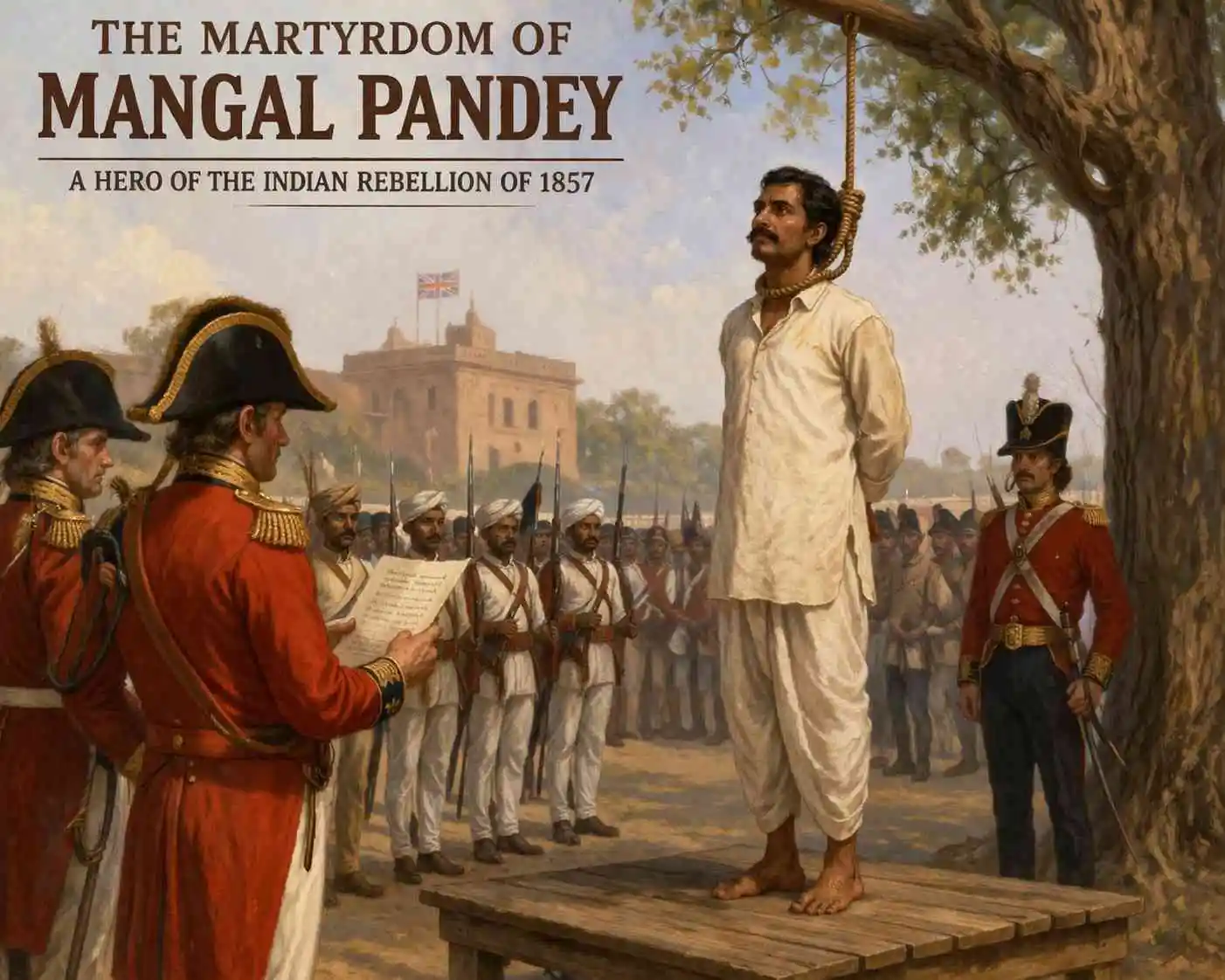
The Right to Freedom occupies a central position in the Indian Constitution and reflects the democratic spirit on which the Republic of India was founded. Enshrined under Articles 19 to 22 of Part III, these rights guarantee essential personal and political liberties to citizens and, in some cases, to all individuals. They protect freedom of expression, movement, association, profession, and personal liberty while ensuring safeguards against arbitrary arrest and detention.
Adopted on 26 November 1949 and enforced from 26 January 1950, the Constitution of India sought to prevent the recurrence of colonial-era repression by constitutionally safeguarding individual freedom. The Right to Freedom balances liberty with social order by allowing reasonable restrictions in the interest of sovereignty, public order, morality, and national security. Over the years, judicial interpretation has expanded and deepened the meaning of these freedoms, making them dynamic rather than static rights.
Constitutional Framework of the Right to Freedom
The framers of the Indian Constitution consciously placed the Right to Freedom immediately after the Right to Equality, emphasizing that equality is meaningless without liberty. Articles 19 to 22 collectively form a comprehensive framework that protects both expressive and physical freedoms.
Article 19 focuses on six fundamental freedoms available exclusively to citizens, while Articles 20, 21, and 22 extend protections related to criminal justice and personal liberty to all persons. Together, these articles aim to ensure dignity, autonomy, and protection from state excesses within a democratic framework.
Key points
-
Part III of the Indian Constitution
-
Articles 19–22 collectively form Right to Freedom
-
Applicable from 26 January 1950
-
Combines civil liberty and legal protection
-
Ensures democratic governance
Article 19: Six Fundamental Freedoms of Citizens
Article 19 guarantees six essential freedoms that enable citizens to participate meaningfully in democratic life. These freedoms are not absolute and are subject to reasonable restrictions imposed by the state for the larger public good. The purpose of Article 19 is to allow free development of personality while maintaining social harmony.
Originally, Article 19 contained seven freedoms, including the right to property, which was removed by the 44th Constitutional Amendment Act, 1978. Today, Article 19 continues to act as the backbone of democratic expression and civic engagement.
Key points
-
Available only to Indian citizens
-
Contains six core freedoms
-
Subject to reasonable restrictions
-
Balances liberty and public interest
-
Enforced through judicial review
Freedom of Speech and Expression (Article 19(1)(a))
The freedom of speech and expression is the cornerstone of democracy, allowing citizens to express opinions, criticize government policies, and exchange ideas freely. This freedom includes the right to express views through words, writing, printing, art, digital media, and other forms of communication.
However, Article 19(2) permits the state to impose reasonable restrictions in the interest of sovereignty, security of the state, public order, decency, morality, and contempt of court. Judicial interpretation has consistently upheld that this freedom is essential for informed public discourse.
Key points
-
Includes expression through speech, writing, media, and art
-
Essential for democracy and accountability
-
Subject to restrictions under Article 19(2)
-
Protects dissent and criticism
-
Expanded through judicial interpretation
Important case laws
-
Romesh Thappar v. State of Madras (1950): Freedom of speech is the foundation of democracy
-
Bennett Coleman v. Union of India (1973): Freedom includes freedom of the press
-
Shreya Singhal v. Union of India (2015): Struck down Section 66A of IT Act
Freedom to Assemble Peacefully (Article 19(1)(b))
This freedom allows citizens to gather and protest peacefully without arms. It plays a crucial role in democratic participation, enabling people to collectively express grievances and influence public policy. Peaceful assembly has historically been a powerful tool in India’s freedom struggle and continues to be vital in modern democracy.
The state may impose restrictions under Article 19(3) in the interest of public order and sovereignty. Violent or armed assemblies are not protected under this provision.
Key points
-
Right to hold peaceful meetings
-
Must be non-violent and unarmed
-
Subject to public order restrictions
-
Vital for democratic protest
-
Protected under Article 19(1)(b)
Important case law
-
Himmat Lal Shah v. Commissioner of Police (1973): Right to peaceful assembly cannot be denied arbitrarily
Freedom to Form Associations or Unions (Article 19(1)(c))
Article 19(1)(c) guarantees the right to form associations, unions, political parties, and cooperative societies. This freedom enables collective action and organized participation in social, economic, and political activities.
Reasonable restrictions under Article 19(4) may be imposed in the interest of public order, morality, and sovereignty. The freedom does not include the right to achieve objectives that are unlawful or violent.
Key points
-
Includes political parties and trade unions
-
Encourages collective representation
-
Subject to lawful objectives
-
Restrictions allowed for public order
-
Strengthens democratic participation
Important case law
-
Damyanti Naranga v. Union of India (1971): Freedom includes right to continue association
Freedom of Movement (Article 19(1)(d))
This freedom allows citizens to move freely throughout the territory of India. It promotes national unity and personal autonomy by eliminating internal barriers within the country.
Restrictions may be imposed under Article 19(5) in the interest of the general public or for the protection of Scheduled Tribes. Laws regulating movement during emergencies or for public health are considered valid if reasonable.
Key points
-
Applies throughout India
-
Encourages national integration
-
Subject to public interest restrictions
-
Protects personal liberty
-
Includes travel within states
Freedom of Residence and Settlement (Article 19(1)(e))
Article 19(1)(e) grants citizens the right to reside and settle in any part of India. This freedom prevents discrimination based on regional or local identity and promotes social mobility.
Reasonable restrictions may be imposed for public interest or protection of tribal areas. Special provisions in certain regions are constitutionally valid to preserve indigenous culture.
Key points
-
Right to live anywhere in India
-
Promotes unity and mobility
-
Subject to reasonable restrictions
-
Protects tribal interests
-
Ensures equal opportunity
Freedom of Profession, Occupation, Trade, or Business (Article 19(1)(g))
This freedom allows citizens to choose and practice any lawful profession, trade, or business. It supports economic liberty and individual self-development.
The state may regulate this freedom through licensing, professional qualifications, and laws promoting public welfare under Article 19(6).
Key points
-
Economic and professional freedom
-
Subject to regulation and licensing
-
Ensures fair competition
-
Protects livelihood choices
-
Supports economic development
Important case law
-
State of Gujarat v. Mirzapur Moti Kureshi (2005): Reasonable restrictions upheld in public interest
Article 20: Protection in Respect of Conviction for Offences
Article 20 provides safeguards against arbitrary punishment and retrospective criminal laws. It ensures fairness in criminal justice by prohibiting ex post facto laws, double jeopardy, and self-incrimination.
These protections apply to all persons, citizens and non-citizens alike, reflecting the universal principles of justice.
Key points
-
Protection against retrospective punishment
-
No double punishment for same offence
-
Protection against self-incrimination
-
Applies to criminal offences only
-
Ensures procedural fairness
Important case law
-
Nandini Satpathy v. P.L. Dani (1978): Right against self-incrimination includes police interrogation
Article 21: Protection of Life and Personal Liberty
Article 21 is the most expansive and judicially interpreted fundamental right. It states that no person shall be deprived of life or personal liberty except according to procedure established by law.
Over time, courts have interpreted this article to include the right to live with dignity, privacy, education, health, livelihood, and clean environment.
Key points
-
Applies to all persons
-
Includes dignity and quality of life
-
Requires fair and just procedure
-
Judicially expanded over time
-
Core of human rights in India
Important case laws
-
Maneka Gandhi v. Union of India (1978): Procedure must be fair, just, and reasonable
-
K.S. Puttaswamy v. Union of India (2017): Right to privacy included
Article 22: Protection Against Arbitrary Arrest and Detention
Article 22 provides safeguards against unlawful arrest and detention. It ensures that detained persons are informed of grounds of arrest, allowed legal representation, and produced before a magistrate within 24 hours.
However, preventive detention laws are permitted under specific conditions, subject to constitutional safeguards.
Key points
-
Protection against arbitrary arrest
-
Right to legal counsel
-
Magistrate production within 24 hours
-
Applies to preventive detention with limits
-
Ensures due process
Preventive Detention and Constitutional Safeguards
Preventive detention allows the state to detain individuals without trial to prevent potential threats to public order or national security. While controversial, it is constitutionally permitted under strict safeguards.
The Constitution mandates review boards, limited detention periods, and communication of grounds to prevent misuse.
Key points
-
Detention without trial under law
-
Subject to constitutional safeguards
-
Review by advisory boards
-
Limited duration
-
Intended for national security
Importance of the Right to Freedom
The Right to Freedom ensures that democracy in India remains vibrant and participatory. It protects individual autonomy while allowing the state to maintain social order through reasonable restrictions.
These rights empower citizens, promote accountability, and safeguard human dignity.
Key points
-
Foundation of democracy
-
Protects civil liberties
-
Encourages participation
-
Balances liberty and order
-
Ensures rule of law
Conclusion
The Right to Freedom under Articles 19 to 22 forms the backbone of individual liberty in India. These provisions reflect the constitutional vision of a democratic society where freedom is protected, regulated, and balanced with collective welfare. Through judicial interpretation and constitutional safeguards, these rights have evolved to meet changing social and political realities.
By guaranteeing expression, movement, association, and personal liberty, the Constitution ensures that freedom is not merely a political promise but a lived reality. The Right to Freedom remains a powerful shield against arbitrariness and a constant reminder that liberty is essential for justice, dignity, and democracy.
Click below to generate summary