Indian Constitution Preamble: The Soul of Indian Democracy
The Preamble of the Indian Constitution stands as a powerful declaration of the nation’s identity, values, and long-term aspirations. It is not merely an introductory paragraph but a philosophical statement that reflects the collective will of the people of India. By beginning with the words “We, the People of India,” the Preamble establishes that the ultimate authority of the Constitution rests with citizens, not rulers or institutions.
From justice and liberty to equality and fraternity, the Preamble captures the moral vision that guides India’s democratic framework. It expresses the goals the Constitution seeks to achieve and the ideals that lawmakers, courts, and citizens must uphold. Even decades after independence, the Preamble continues to inspire debates, judicial interpretations, and civic awareness, proving its timeless relevance.
Preamble of the Indian Constitution
WE, THE PEOPLE OF INDIA, having solemnly resolved to constitute India into a SOVEREIGN SOCIALIST SECULAR DEMOCRATIC REPUBLIC and to secure to all its citizens:
JUSTICE, social, economic and political;
LIBERTY of thought, expression, belief, faith and worship;
EQUALITY of status and of opportunity; and to promote among them all
FRATERNITY assuring the dignity of the individual and the unity and integrity of the Nation;
IN OUR CONSTITUENT ASSEMBLY this twenty-sixth day of November, 1949, DO HEREBY ADOPT, ENACT AND GIVE TO OURSELVES THIS CONSTITUTION.
What Is the Preamble of the Indian Constitution?
The Preamble is the opening statement of the Indian Constitution that outlines its objectives, guiding principles, and fundamental values. It defines the nature of the Indian state and the goals it seeks to secure for its citizens. Rather than laying down enforceable laws, it provides the spirit in which the Constitution must be understood and applied.
By clearly stating the ideals of justice, liberty, equality, and fraternity, the Preamble acts as a moral compass for governance. It explains not only what India is but also what it strives to become as a democratic republic committed to social harmony and individual dignity.
-
Introduces the Constitution’s philosophy
-
Describes national objectives and values
-
Clarifies the nature of the Indian state
-
Serves as a guiding framework, not a legal rulebook
“We, the People of India”: Source of Constitutional Authority
The opening words of the Preamble emphasize popular sovereignty. By declaring that the Constitution is enacted by the people themselves, it rejects the idea of power flowing from monarchs or colonial rulers. This phrase underscores democracy as the foundation of the Indian political system.
It also conveys collective responsibility. Citizens are not merely subjects governed by laws but participants in shaping the nation’s destiny. This principle strengthens democratic legitimacy and reinforces accountability in governance.
-
Establishes popular sovereignty
-
Rejects external or inherited authority
-
Emphasizes citizen participation
-
Reinforces democratic legitimacy
Historical Background of the Preamble
The roots of the Preamble lie in India’s freedom struggle and the desire to create a just and inclusive nation after centuries of colonial rule. Its ideas were debated extensively in the Constituent Assembly, reflecting the diverse social, cultural, and political realities of India.
The framers intended the Preamble to capture the essence of the Constitution in a concise yet profound manner. It represents a consensus vision, shaped by nationalist ideals and global democratic principles.
-
Emerged from freedom movement ideals
-
Debated in the Constituent Assembly
-
Reflected India’s diversity and unity
-
Designed as a concise philosophical statement
Origin in the Objective Resolution
The conceptual foundation of the Preamble came from Jawaharlal Nehru’s Objective Resolution, presented to the Constituent Assembly on December 13, 1946. This resolution laid out the broad principles that would later shape the Constitution, including sovereignty, democracy, and social justice.
Many of the ideas expressed in the Objective Resolution were directly incorporated into the Preamble, making it a distilled version of India’s constitutional vision. The resolution reflected a commitment to equality, freedom, and national unity.
-
Presented on December 13, 1946
-
Proposed by Jawaharlal Nehru
-
Emphasized sovereignty and democracy
-
Became the ideological base of the Preamble
Adoption and Enforcement Timeline
The draft Preamble was adopted by the Constituent Assembly on January 22, 1947, even before the full Constitution was finalized. This early adoption highlighted its importance as a guiding document. The complete Constitution, including the Preamble, was adopted on November 26, 1949.
However, it came into force on January 26, 1950, a date chosen to honor the declaration of Purna Swaraj. This day is celebrated annually as Republic Day, marking India’s transition to a sovereign republic.
-
Draft adopted on January 22, 1947
-
Constitution adopted on November 26, 1949
-
Came into force on January 26, 1950
-
Republic Day commemorates its enforcement
Philosophical and Global Influences
The Preamble reflects both Indian traditions and global democratic thought. The ideals of liberty, equality, and fraternity were inspired by the French Revolution, while concepts of justice and welfare drew from international democratic values and India’s own cultural heritage.
This blend of global and indigenous influences helped shape a Constitution suited to India’s unique social fabric while remaining aligned with universal human values.
-
Influenced by the French Revolution
-
Incorporated democratic ideals
-
Rooted in Indian cultural values
-
Balanced global thought with local realities
India as a Sovereign State
The term “Sovereign” signifies that India is independent in both internal and external affairs. It is not subject to the authority of any foreign power. This principle ensures that India has full control over its policies, laws, and international relations.
Sovereignty is fundamental to national dignity and self-determination. It affirms India’s right to govern itself according to the will of its people.
-
Independent in domestic and foreign matters
-
Free from external control
-
Exercises full state authority
-
Essential for national self-respect
Socialist and Secular Character of the State
The words “Socialist” and “Secular” were added to the Preamble through the 42nd Constitutional Amendment in 1976. Socialism emphasizes social and economic justice, aiming to reduce inequality and promote welfare. Secularism ensures equal respect for all religions and prevents the state from favoring any faith.
These principles highlight India’s commitment to inclusive governance and social harmony, though their addition has been a subject of political and legal debate.
-
Added by the 42nd Amendment in 1976
-
Socialism promotes economic justice
-
Secularism ensures religious neutrality
-
Strengthens inclusive governance
Democratic Nature of Indian Polity
Democracy in the Preamble means governance by the people, through elected representatives. It guarantees participation, accountability, and political equality. Democracy ensures that power remains responsive to public will.
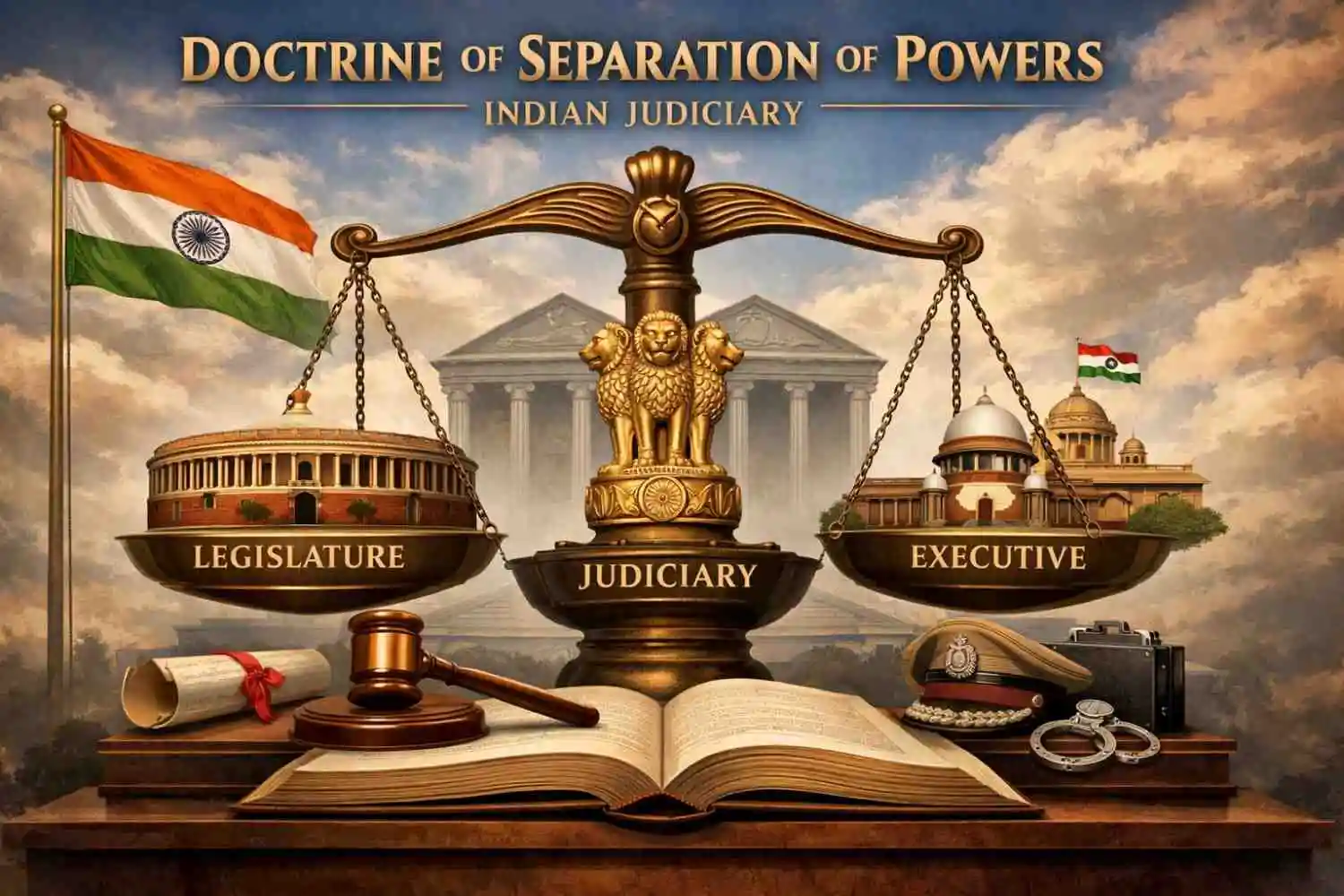
This principle underpins institutions such as elections, legislatures, and an independent judiciary, forming the backbone of India’s political system.
-
Governance through elected representatives
-
Ensures political participation
-
Promotes accountability
-
Protects democratic institutions
Republic and the Idea of Equality
Declaring India a republic means that the head of the state is elected, not hereditary. This reinforces the idea of equality and rejects monarchy. Every citizen, regardless of birth, has an equal opportunity to hold public office.
The republican form complements democratic values by emphasizing merit and public consent.
-
Head of state is elected
-
No hereditary authority
-
Reinforces equality
-
Upholds democratic ideals
Justice: Social, Economic, and Political
Justice in the Preamble covers social, economic, and political dimensions. Social justice aims to eliminate discrimination, economic justice seeks fair distribution of resources, and political justice ensures equal participation in governance.
Together, these forms of justice create a balanced society where dignity and fairness are central.
-
Social justice opposes discrimination
-
Economic justice promotes fairness
-
Political justice ensures equal rights
-
Integral to constitutional morality
Liberty of Thought and Expression
Liberty in the Preamble guarantees freedom of thought, expression, belief, faith, and worship. These freedoms allow individuals to develop their personalities and participate meaningfully in society.
Liberty is essential for creativity, dissent, and democratic debate, making it a cornerstone of constitutional democracy.
-
Freedom of thought and expression
-
Religious freedom
-
Encourages individuality
-
Supports democratic dialogue
Equality of Status and Opportunity
Equality ensures that all citizens are treated alike before the law and given equal opportunities. It seeks to remove social hierarchies and promote fairness in public life.
This principle supports affirmative measures aimed at uplifting historically disadvantaged groups while maintaining equal legal protection.
-
Equality before law
-
Equal access to opportunities
-
Opposes social discrimination
-
Supports inclusive development
Fraternity and National Unity
Fraternity emphasizes brotherhood, dignity, and unity among citizens. It seeks to build social cohesion in a diverse nation like India, ensuring that freedom and equality are meaningful.
By promoting mutual respect, fraternity strengthens national integration and social harmony.
-
Promotes brotherhood
-
Ensures individual dignity
-
Strengthens national unity
-
Supports social harmony
Judicial Interpretation of the Preamble
Courts have played a crucial role in defining the constitutional status of the Preamble. Judicial interpretation has clarified its relevance, scope, and relationship with constitutional provisions.
Over time, landmark cases have shaped its legal significance and affirmed its role in constitutional interpretation.
-
Interpreted through landmark judgments
-
Clarified constitutional status
-
Used as interpretative aid
-
Reinforced constitutional values
Berubari Union Case (1960)
In this case, the Supreme Court held that the Preamble was not a part of the Constitution and could not be enforced in courts. However, it acknowledged its importance in understanding constitutional intent.
This view was later revised, marking an evolution in constitutional interpretation.
-
First major interpretation of the Preamble
-
Held it was not enforceable
-
Recognized its explanatory value
-
Later overturned
Kesavananda Bharati Case (1973)
This landmark judgment transformed constitutional law by declaring that the Preamble is part of the Constitution. The Court introduced the Basic Structure Doctrine, holding that Parliament cannot amend fundamental constitutional values.
The principles stated in the Preamble were recognized as part of this basic structure.
-
Declared Preamble part of Constitution
-
Introduced Basic Structure Doctrine
-
Protected core constitutional values
-
Limited Parliament’s amending power
Golaknath and Related Judgments
In Golaknath v. State of Punjab, the Court observed that the Preamble outlines the Constitution’s objectives. Though its stance on amendments changed later, the case reinforced the importance of constitutional ideals.
Subsequent cases further strengthened the relevance of Preamble values.
-
Emphasized constitutional objectives
-
Influenced later interpretations
-
Reinforced rights-based approach
-
Contributed to constitutional evolution
Broader Constitutional Impact Through Case Law
Cases like S. R. Bommai and Indira Gandhi v. Raj Narain reinforced values such as secularism, democracy, and federalism. These decisions demonstrated how Preamble principles influence constitutional governance.
Even when not directly cited, its values shape judicial reasoning.
-
Reinforced secularism and democracy
-
Protected constitutional balance
-
Limited misuse of power
-
Strengthened rule of law
The Preamble as a Guiding Philosophy
The Preamble acts as the guiding light of the Constitution, especially when interpreting ambiguous provisions. It ensures laws are read in harmony with constitutional ideals.
This guiding role helps maintain consistency and moral clarity in governance.
-
Guides constitutional interpretation
-
Resolves ambiguity
-
Maintains ideological consistency
-
Reflects constitutional spirit
Limiting Constitutional Amendments
Through the Basic Structure Doctrine, the Preamble protects essential constitutional values from destructive amendments. This safeguard preserves the Constitution’s identity and integrity.
It ensures that change does not undermine democracy.
-
Protects core values
-
Limits amendment power
-
Preserves constitutional identity
-
Ensures long-term stability
Socio-Political and Civic Significance
Beyond law, the Preamble influences public policy, education, and civic awareness. It reminds citizens and leaders of shared responsibilities and democratic commitments.
Public initiatives promote awareness of its values to strengthen constitutional culture.
-
Shapes public policy
-
Encourages civic education
-
Reinforces democratic values
-
Promotes constitutional awareness
Why the Preamble Truly Matters
The Preamble is the moral foundation of India’s constitutional system. It encapsulates the dreams of a nation committed to justice, liberty, equality, and fraternity.
Its relevance endures as India continues to evolve socially, politically, and economically.
-
Foundation of constitutional philosophy
-
Reflects national aspirations
-
Guides democratic governance
-
Remains timeless and relevant
Conclusion
The Preamble of the Indian Constitution is more than an introduction; it is the living spirit of India’s democracy. From defining sovereignty to safeguarding dignity, it captures the essence of what the nation stands for. Judicial interpretations, amendments, and civic engagement have only strengthened its role over time.
As India moves forward, the Preamble continues to remind citizens and institutions alike that democracy thrives not merely through laws, but through shared values and collective commitment.
Click below to generate summary