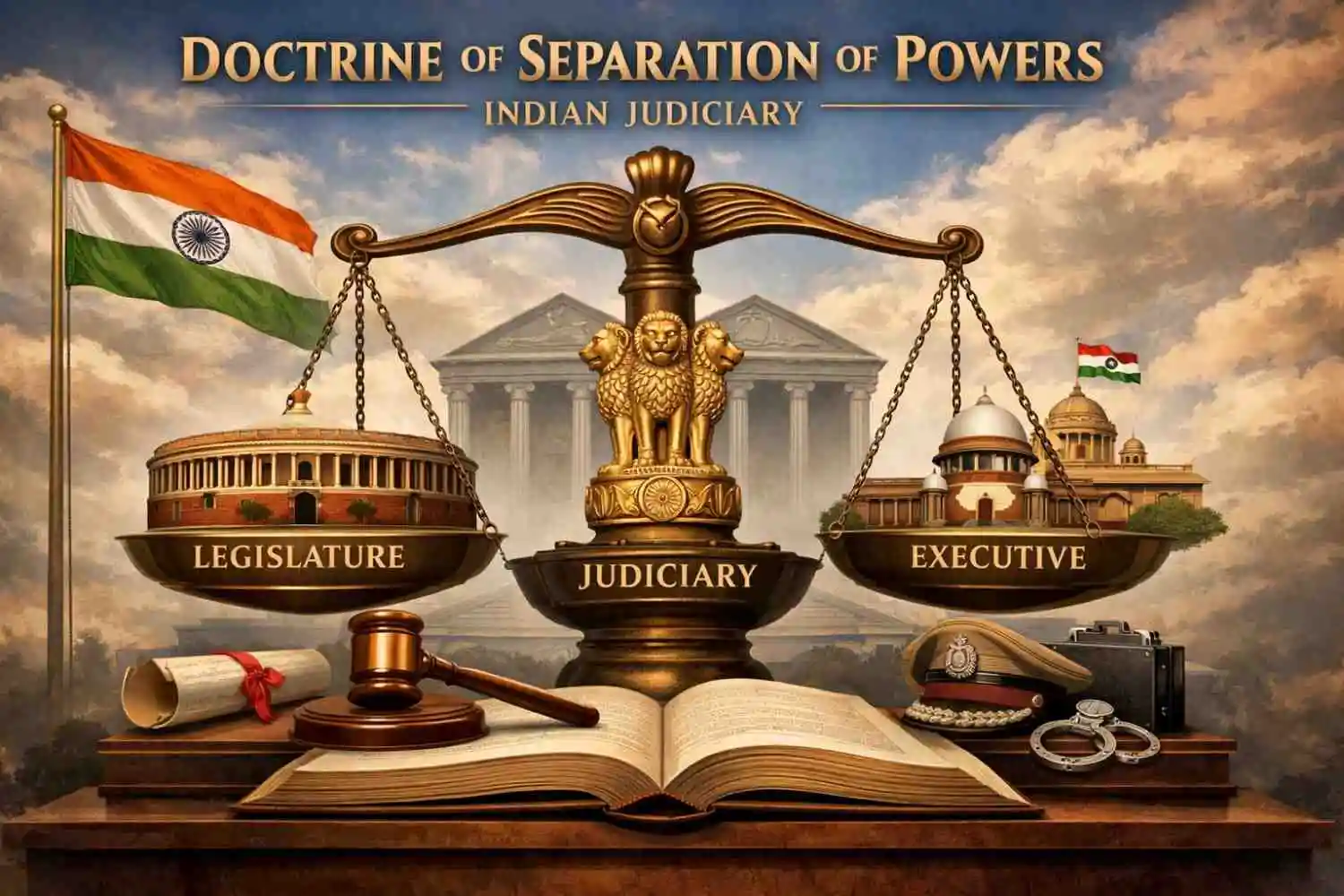
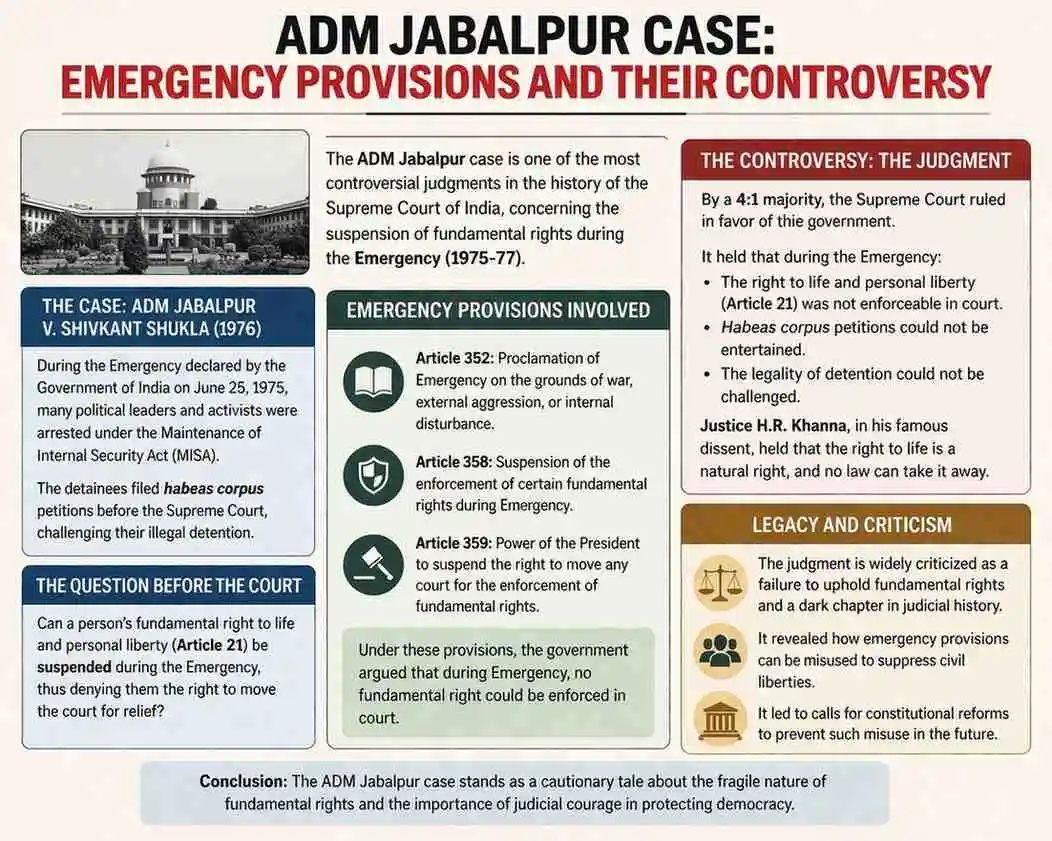
High Courts occupy a central position in the constitutional framework of India. They serve as the highest judicial authority at the state and union territory level and act as guardians of constitutional values, legal rights, and democratic principles. The Indian Constitution envisions these courts not merely as legal institutions but as pillars of justice, accountability, and rule of law. Their presence ensures that governance remains within constitutional limits and that citizens are protected against misuse of power.
In a country as vast and diverse as India, the judicial system must balance unity with regional diversity. High Courts play a crucial role in maintaining this balance by interpreting laws according to constitutional principles while addressing region-specific legal needs. They serve as a bridge between district courts and the Supreme Court, ensuring continuity, coherence, and consistency in the administration of justice. Their influence extends beyond courtrooms into the broader social, political, and administrative life of the nation.
Historical Background of High Courts in India
The origin of High Courts in India dates back to the colonial period. The first High Courts were established in the mid-nineteenth century under British administration. These courts replaced earlier judicial bodies and introduced a structured system of justice. Over time, they evolved into independent constitutional institutions after India gained independence.
With the adoption of the Indian Constitution in 1950, High Courts became integral components of the judicial framework. Their jurisdiction, powers, and functions were clearly defined to ensure judicial independence and efficiency. The constitutional vision aimed to create a judiciary capable of protecting citizens’ rights while maintaining harmony between different organs of government.
Historical background points:
-
Established during the colonial era
-
Reorganised under the Constitution of India
-
Integrated into the federal judicial system
-
Strengthened after independence
Constitutional Status of High Courts
High Courts derive their authority directly from the Constitution of India. Part VI of the Constitution provides detailed provisions regarding their establishment, composition, jurisdiction, and functioning. Each state or group of states has a High Court, and Parliament has the power to establish common High Courts for multiple states.
These courts function as constitutional courts with original, appellate, and advisory jurisdiction. Their status ensures independence from political influence, which is essential for impartial justice. Constitutional safeguards protect the tenure and service conditions of judges.
Constitutional provisions include:
-
Established under Articles 214 to 231
-
Independent constitutional bodies
-
Protected tenure of judges
-
Clearly defined jurisdiction and powers
Jurisdiction and Authority
High Courts exercise wide-ranging jurisdiction that includes original, appellate, and supervisory powers. This multi-dimensional authority enables them to function as comprehensive judicial institutions rather than limited appellate courts. Their jurisdiction allows them to hear cases directly, review lower court decisions, and oversee the functioning of subordinate courts.
This layered jurisdiction ensures efficient delivery of justice and reduces the burden on higher courts. It also creates a structured judicial hierarchy that supports consistency and legal clarity.
Jurisdictional features:
-
Original jurisdiction in specific matters
-
Appellate authority over lower courts
-
Supervisory control over judiciary
-
Comprehensive legal oversight
Original Jurisdiction
Original jurisdiction allows High Courts to hear certain cases directly without them first being decided by lower courts. This jurisdiction is especially important in matters involving fundamental rights, constitutional issues, and disputes involving the state.
This power strengthens citizens’ access to justice by allowing them to approach High Courts directly in matters of serious constitutional importance. It ensures quicker legal remedies and reinforces judicial protection of rights.
Original jurisdiction aspects:
-
Direct hearing of specific cases
-
Protection of constitutional rights
-
Faster access to justice
-
Legal remedy for serious disputes
Appellate Jurisdiction
Appellate jurisdiction forms a major part of High Court functions. Through this authority, they review decisions of subordinate courts in civil, criminal, and constitutional matters. This system ensures fairness, consistency, and correction of judicial errors.
By functioning as appellate bodies, High Courts strengthen public trust in the justice system and ensure that lower courts adhere to legal standards and procedures.
Appellate role highlights:
-
Review of lower court judgments
-
Correction of legal errors
-
Uniform interpretation of law
-
Strengthening judicial accountability
Supervisory Powers
High Courts possess supervisory authority over all subordinate courts within their territorial jurisdiction. This power allows them to ensure proper functioning, discipline, and efficiency in the lower judiciary.
Supervision is not merely administrative but also judicial in nature. It helps maintain the integrity of the judicial system and prevents misuse of authority at lower levels.
Supervisory functions:
-
Monitoring subordinate courts
-
Ensuring judicial discipline
-
Maintaining efficiency
-
Preserving legal integrity
Writ Jurisdiction and Protection of Rights
One of the most significant powers of High Courts is their writ jurisdiction. Through this authority, they can issue directions to protect citizens’ rights and prevent misuse of power by public authorities.
This jurisdiction makes High Courts accessible to ordinary people and transforms them into active protectors of civil liberties. It plays a vital role in strengthening constitutional democracy.
Writ jurisdiction roles:
-
Protection of fundamental rights
-
Control over administrative abuse
-
Citizen access to justice
-
Strengthening constitutional governance
Judicial Review and Constitutional Interpretation
High Courts exercise the power of judicial review, enabling them to examine the constitutionality of laws and government actions. This authority ensures that all state actions conform to constitutional principles.
Through interpretation of constitutional provisions, they shape the practical meaning of rights, duties, and governance structures. This interpretative role gives High Courts long-term influence over Indian democracy.
Judicial review features:
-
Examination of constitutional validity
-
Control over legislative excesses
-
Interpretation of constitutional values
-
Protection of democratic structure
Structure and Composition
High Courts consist of a Chief Justice and other judges appointed according to constitutional procedures. Their structure is designed to ensure independence, competence, and judicial continuity.
The composition reflects both seniority and merit, ensuring stability and expertise within the judiciary. This institutional structure supports long-term judicial integrity.
Structural elements:
-
Chief Justice leadership
-
Multi-judge composition
-
Constitutional appointment process
-
Institutional stability
Appointment of Judges
Judges are appointed through a constitutionally defined process that involves multiple constitutional authorities. This process aims to balance judicial independence with institutional accountability.
The appointment system ensures that judges are selected based on legal competence, integrity, and experience, safeguarding the quality of justice delivery.
Appointment principles:
-
Constitutional procedure
-
Emphasis on merit
-
Judicial independence
-
Institutional balance
Independence of the Judiciary
Judicial independence is a cornerstone of constitutional governance. High Courts are protected from executive and legislative interference through constitutional safeguards.
This independence enables them to deliver impartial justice and maintain public confidence in the legal system.
Independence safeguards:
-
Constitutional protection
-
Security of tenure
-
Financial autonomy
-
Institutional integrity
Role in Federal Structure
High Courts play a vital role in maintaining India’s federal balance. They act as legal interpreters between state and central authorities, ensuring constitutional harmony.
This role helps resolve conflicts of jurisdiction and power-sharing, preserving cooperative federalism.
Federal contributions:
-
Constitutional interpretation
-
State-centre balance
-
Legal conflict resolution
-
Cooperative governance
High Courts and Administrative Law
High Courts are central to the development of administrative law in India. They regulate executive action and ensure accountability in governance.
This role protects citizens from arbitrary decision-making and strengthens transparency in administration.
Administrative role:
-
Control over executive action
-
Accountability in governance
-
Transparency promotion
-
Citizen protection
Public Interest Litigation and Social Justice
Through public interest litigation, High Courts have expanded access to justice for disadvantaged groups. This mechanism allows courts to address issues affecting large sections of society.
This role transforms courts into instruments of social change and justice.
Social justice impact:
-
Access for marginalised groups
-
Collective rights protection
-
Social reform contribution
-
Justice beyond litigation
Challenges and Limitations
Despite their importance, High Courts face challenges such as case backlog, resource constraints, and infrastructure limitations. These challenges affect judicial efficiency and accessibility.
Addressing these issues is essential for strengthening the justice delivery system.
Major challenges:
-
Case pendency
-
Infrastructure gaps
-
Judicial vacancies
-
Administrative constraints
Reforms and Modernisation
Judicial reforms and digital initiatives aim to improve efficiency, transparency, and accessibility. Technology-driven systems have modernised court functioning.
These reforms strengthen institutional capacity and public trust.
Reform areas:
-
Digital courts
-
Case management systems
-
Judicial infrastructure
-
Access to justice
Contribution to Democratic Governance
High Courts contribute significantly to democratic governance by ensuring accountability, protecting rights, and maintaining constitutional balance.
Their role extends beyond legal decisions into the broader functioning of democracy.
Democratic contributions:
-
Accountability enforcement
-
Rights protection
-
Institutional balance
-
Democratic stability
Educational and Social Impact
High Courts influence legal education, public awareness, and civic understanding. Their judgments shape legal thinking and public discourse.
This impact strengthens legal culture and civic consciousness.
Social influence:
-
Legal awareness
-
Civic education
-
Judicial literacy
-
Public trust
Relationship with the Supreme Court
High Courts function within a unified judicial system. Their relationship with the Supreme Court ensures consistency in constitutional interpretation.
This judicial hierarchy strengthens coherence and stability in the legal system.
Judicial relationship:
-
Unified legal structure
-
Constitutional consistency
-
Institutional cooperation
-
Legal coherence
Future Role in Indian Democracy
The future role of High Courts will expand with increasing legal complexity and democratic expectations. Their responsibility in safeguarding rights and governance will continue to grow.
Strengthening these institutions is essential for India’s constitutional future.
Future significance:
-
Expanding responsibilities
-
Democratic guardianship
-
Legal modernization
-
Constitutional stability
Conclusion
High Courts in the Indian Constitution represent far more than judicial institutions. They embody constitutional morality, democratic values, and the rule of law. Through their jurisdiction, authority, and independence, they protect citizens’ rights and maintain the balance of power in governance. Their role in constitutional interpretation, judicial review, and social justice makes them central to India’s democratic structure.
As India evolves socially, politically, and economically, the importance of High Courts will only increase. Strengthening these institutions through reforms, accessibility, and efficiency is not just a legal necessity but a democratic imperative. They remain the living guardians of constitutional democracy and the enduring symbols of justice in the Indian legal system.
Click below to generate summary