The Lahore Session of the Indian National Congress in 1929 stands as one of the most decisive moments in India’s freedom struggle. It was during this historic session, held under the leadership of Jawaharlal Nehru, that the Congress officially adopted the goal of Purna Swaraj, meaning complete independence from British rule. This decision marked a clear shift from earlier demands for dominion status to an uncompromising demand for full sovereignty.
The session not only reshaped the direction of India’s national movement but also laid the foundation for the celebration of 26 January as India’s Independence Day, a tradition that later influenced the adoption of Republic Day in independent India.
Historical Background of the Freedom Movement Before 1929
Before the Lahore Session, the Indian freedom struggle had passed through several phases. The early years of the Indian National Congress focused on moderate demands such as administrative reforms and greater Indian participation in governance.
By the early 20th century, however, dissatisfaction with British policies intensified due to:
-
Economic exploitation
-
Racial discrimination
-
Repressive colonial laws
-
Failure to fulfill political promises
The Montagu–Chelmsford Reforms (1919) and later the Simon Commission (1927) further deepened Indian discontent, as Indians were excluded from meaningful decision-making.
Growing Demand for Complete Independence
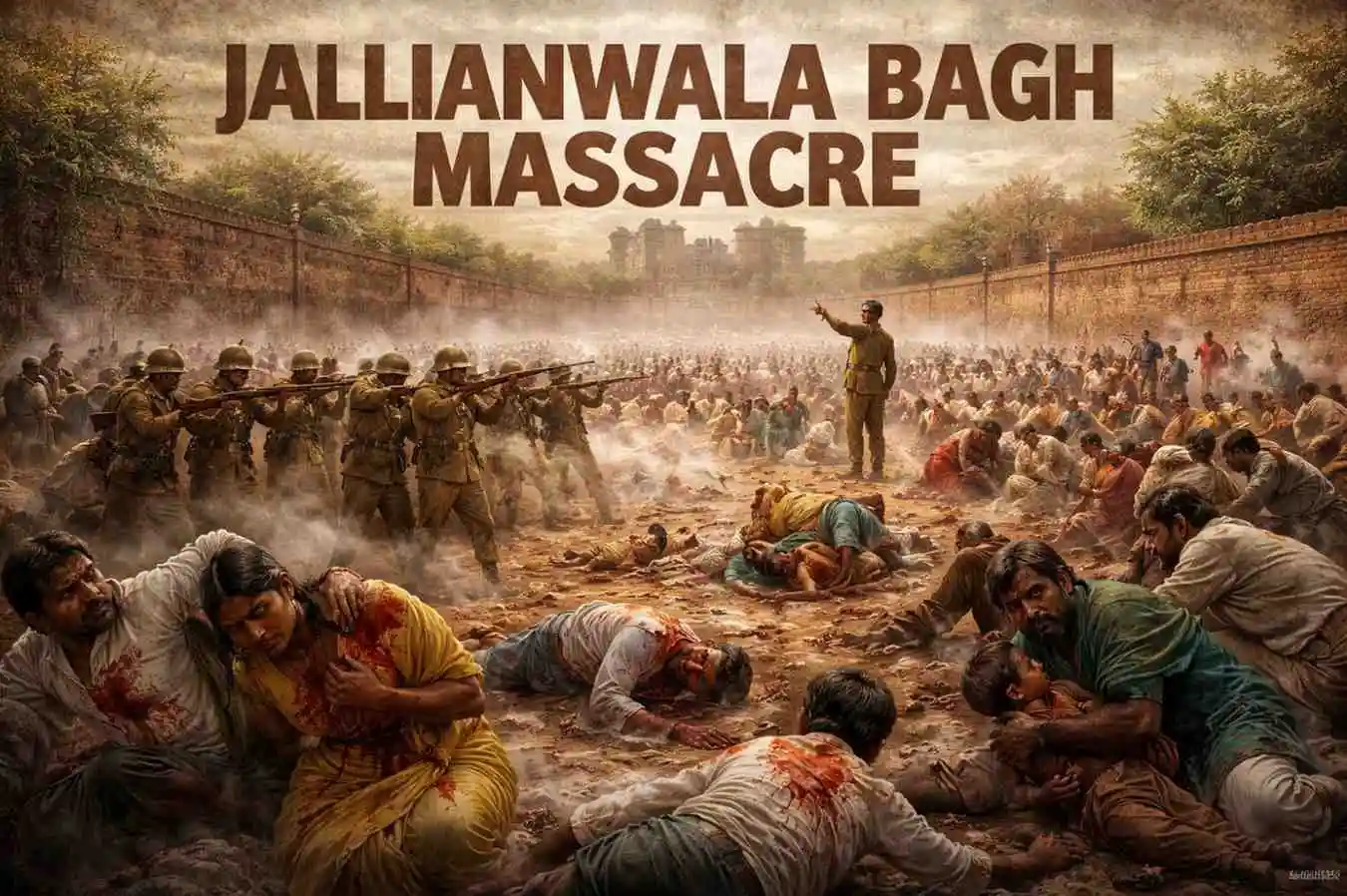
Until the late 1920s, many Congress leaders still hoped that India could achieve self-governance within the British Empire. However, events such as the Jallianwala Bagh massacre, economic hardship, and political repression shattered this belief.
Young leaders like Jawaharlal Nehru and Subhas Chandra Bose strongly advocated for complete independence. They argued that partial freedom or dominion status would only perpetuate British control in another form.
By 1928–29, the idea of full sovereignty gained widespread support within the Indian National Congress.
The Lahore Session of 1929
The historic Lahore Session was held in December 1929, with Jawaharlal Nehru elected as the President of the Indian National Congress. His leadership symbolized the aspirations of a younger generation that sought decisive action.
Key Objectives of the Lahore Session:
-
To define India’s political goal clearly
-
To unite Indians under a common national objective
-
To mobilize mass participation against colonial rule
The session was attended by prominent leaders such as Mahatma Gandhi, Vallabhbhai Patel, Rajendra Prasad, and many others who shaped India’s freedom movement.
The Purna Swaraj Resolution
On the night of 31 December 1929, at the stroke of midnight, the Congress passed the historic Purna Swaraj Resolution. This declaration stated that India’s ultimate objective was complete independence, not dominion status under the British Crown.
Core Principles of the Resolution:
-
Absolute political freedom from British authority
-
Rejection of colonial laws and institutions
-
Assertion of the right of Indians to govern themselves
-
Commitment to non-violent struggle
This resolution marked a psychological turning point. It transformed the freedom movement from negotiation to determination.
Hoisting of the Tricolour at Lahore
One of the most symbolic moments of the session was the hoisting of the tricolour flag by Jawaharlal Nehru on the banks of the Ravi River in Lahore.
This act represented:
-
The birth of a new national identity
-
Unity across religious and regional divisions
-
Defiance against colonial authority
The tricolour soon became a powerful symbol of resistance and hope for millions of Indians.
Declaration of 26 January as Independence Day
The Lahore Session also resolved that 26 January 1930 would be celebrated as Independence Day throughout India.
This decision aimed to:
-
Mobilize the masses
-
Encourage civil disobedience
-
Strengthen national unity
On this day, people across the country took pledges to work toward freedom, defy unjust laws, and uphold national dignity.
Significance of 26 January in Indian History
Although India gained independence on 15 August 1947, the symbolic importance of 26 January remained deeply rooted in national consciousness.
This is why the Constitution of India came into effect on 26 January 1950, and the day was officially declared Republic Day.
Thus, the ideals of the Lahore Session continued to shape India’s constitutional journey.
Role of Jawaharlal Nehru
Jawaharlal Nehru played a defining role in shaping modern Indian nationalism. His leadership during the Lahore Session reflected his vision of a democratic, secular, and sovereign nation.
Key Contributions:
-
Advocated complete independence
-
Inspired youth participation
-
Emphasized social and economic justice
-
Strengthened India’s global political outlook
His speech during the session resonated deeply with the masses and strengthened the resolve of the freedom movement.
Impact on the Civil Disobedience Movement
The Lahore Session directly paved the way for the Civil Disobedience Movement launched in 1930 under Mahatma Gandhi’s leadership.
The movement included:
-
Salt Satyagraha
-
Boycott of British goods
-
Refusal to pay unjust taxes
-
Mass participation across regions
This phase marked one of the strongest challenges to British authority in India.
International Influence and Global Context
The declaration of Purna Swaraj also resonated globally. It demonstrated India’s determination to join the global struggle against imperialism.
At a time when many colonies were questioning European dominance, India emerged as a leading voice for self-determination.
Also Read: Indian National Congress 1885
Social and Cultural Impact
The Lahore Session had a profound impact on Indian society:
-
Strengthened national consciousness
-
Encouraged participation of women and youth
-
Promoted unity across linguistic and religious lines
-
Reinforced faith in nonviolent resistance
It transformed the freedom struggle into a truly mass movement.
Challenges After the Resolution
Despite the clarity of vision, the road ahead was not easy. The British government responded with repression, arrests, and censorship.
Yet, the spirit of Purna Swaraj remained unbroken. The movement gained momentum, preparing the ground for eventual independence.
Long-Term Historical Significance
The Lahore Session of 1929 remains one of the most defining moments in Indian history.
Its long-term importance includes:
-
Establishing complete independence as the national goal
-
Strengthening democratic ideals
-
Influencing constitutional development
-
Inspiring future generations
It stands as a reminder of unity, sacrifice, and unwavering determination.
Conclusion
The Lahore Session and the Purna Swaraj Resolution of 1929 marked a decisive shift in India’s freedom struggle. Under the leadership of Jawaharlal Nehru, the Indian National Congress declared its commitment to full independence, inspiring millions to rise against colonial rule.
The hoisting of the tricolour, the declaration of 26 January as Independence Day, and the collective resolve of the Indian people transformed the freedom movement into a powerful national uprising. The ideals born during this historic moment continue to guide India’s democratic values today.
Click below to generate summary