Tatya Tope is one of the most notable figures in India's fight against British rule. He is celebrated for his strategic thinking, courage, and strong commitment to freedom. He played a key role during the Indian rebellion of 1857. While many leaders are remembered mainly for their regional influence, Tatya Tope’s actions went beyond local limits, making him a national figure in early Indian resistance.
Unlike rulers who aimed to protect their territories, Tatya Tope came from a background of service and loyalty. He was driven by a vision of independence rather than personal power. His military campaigns, ability to rally troops, and expertise in guerrilla warfare posed serious challenges to British forces at a time when colonial authority seemed nearly unshakeable. Even after major centers of rebellion fell, he continued to fight with remarkable determination.
Early Life and Background
Tatya Tope was born as Ramachandra Pandurang Tope in 1814 in Yeola, in what is now Maharashtra. He came from a Marathi Brahmin family and received a traditional education during his childhood. His parents stressed values such as discipline, literacy, and loyalty, which would later influence his role in the freedom struggle.
His father, Pandurang Rao Tope, worked as a noble in the court of Peshwa Baji Rao II, the last Peshwa of the Maratha Empire. This connection brought Tatya Tope close to the political and military landscape of the time. He grew up witnessing the decline of Maratha power and the rise of British influence, experiences that had a profound impact on his outlook.
Tatya Tope formed a close friendship with Nana Sahib, the adopted son of Peshwa Baji Rao II. This bond would later be crucial during the rebellion of 1857. Both men shared resentment against British policies, especially the refusal to acknowledge Nana Sahib’s claim to his biological father's pension. These grievances gradually transformed into open resistance against British rule.
Political Climate Before the Rebellion of 1857
The early nineteenth century was marked by widespread dissatisfaction with British rule in India. Economic exploitation, land tax policies, and interference in traditional social structures caused resentment among peasants, soldiers, and rulers alike. The annexation of princely states through policies such as the Doctrine of Lapse further fueled opposition.
Indian soldiers in the British army faced discrimination, low pay, and cultural insensitivity. Religious issues, especially concerning the introduction of new rifle cartridges, acted as immediate triggers for rebellion. However, these problems revealed deeper grievances that had been building for decades.
Through his connection with Nana Sahib, Tatya Tope became increasingly involved in discussions around resistance. Though not initially a public leader, he played an important behind-the-scenes role in planning and collaboration. His understanding of military organization and local conditions made him a valuable strategist even before the rebellion began.
Role in the Indian Rebellion of 1857
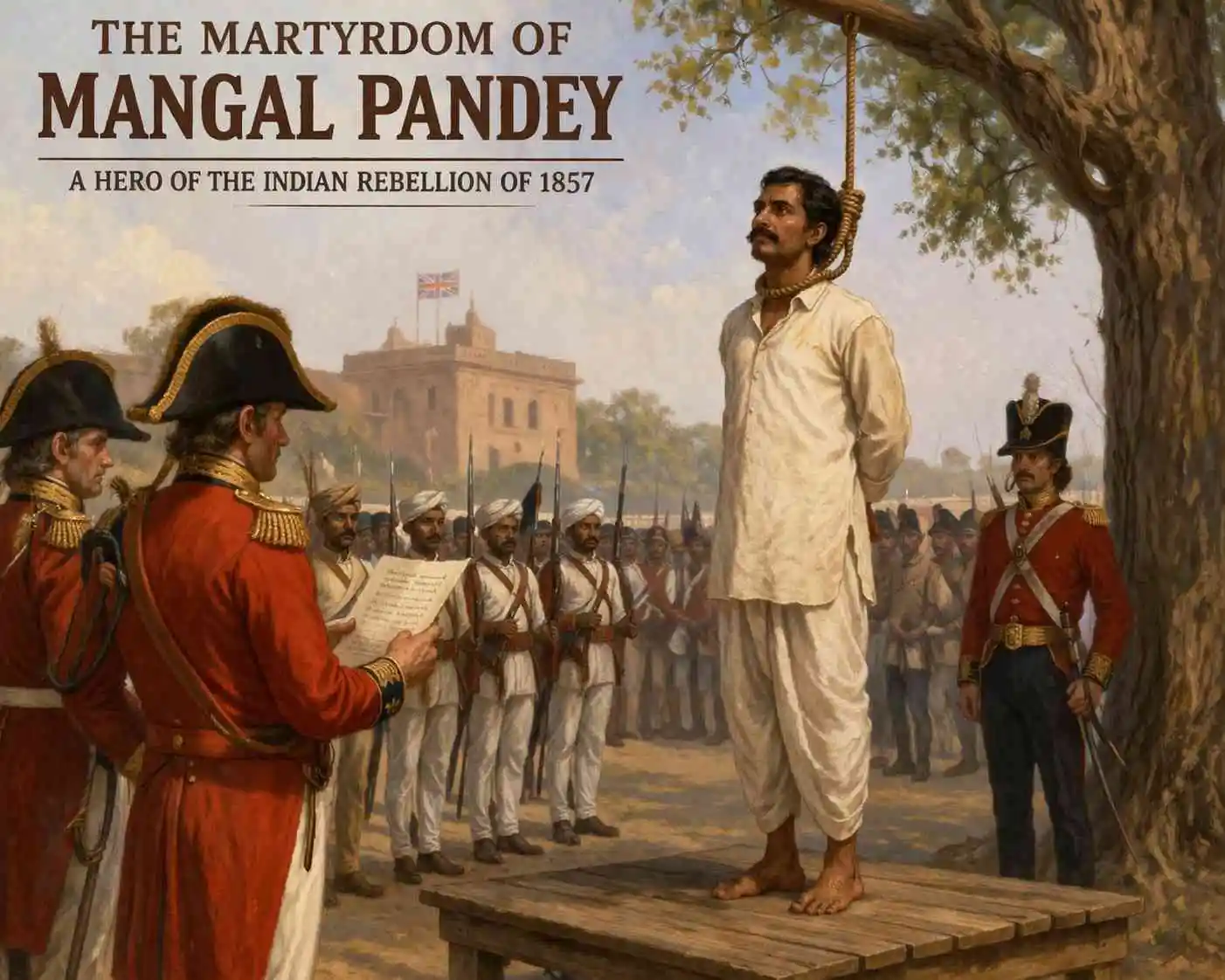
When the rebellion broke out in 1857, Tatya Tope emerged as one of its most effective military leaders. He was essential in organizing forces at Kanpur, where Nana Sahib declared the rebellion against British authority. Tatya Tope led military operations, effectively commanding rebel troops with determination.
The capture of Kanpur marked an early victory for the revolutionaries. Tatya Tope showed exceptional leadership by coordinating infantry, cavalry, and artillery units despite limited resources. His ability to motivate soldiers and maintain discipline under pressure earned him respect from both supporters and opponents.
After the British regained control of Kanpur, Tatya Tope refused to surrender. Instead, he adapted to changing circumstances and switched to mobile warfare. His campaigns across central and northern India kept British forces constantly occupied, preventing them from consolidating control.
Military Strategy and Guerrilla Warfare
One of Tatya Tope’s greatest strengths was his inventive approach to warfare. Unlike traditional commanders who depended on fixed positions, he used guerrilla tactics to exploit the weaknesses of the British army. Fast movement, surprise attacks, and strategic retreats became hallmarks of his campaigns.
He led his forces through areas like Bundelkhand, Malwa, and Rajputana, often covering large distances in short periods. This mobility confused British commanders and stretched their supply lines. Tatya Tope’s ability to regroup after losses showed his adaptability and strategic insight.
His campaigns were not just acts of defiance but also calculated efforts to reignite rebellion in areas where it had faded. By collaborating with local leaders and chieftains, he sought to create a network of resistance that crossed regional boundaries.
Association with Rani Lakshmibai
Tatya Tope’s partnership with Rani Lakshmibai of Jhansi is one of the most famous alliances of the 1857 rebellion. Their collaboration combined military skill with political resolve, posing a significant challenge to British forces in central India.
When Jhansi came under threat, Tatya Tope helped the queen defend the city. Although Jhansi eventually fell, their resistance delayed British advances and inspired widespread support. After the fall of Jhansi, they regrouped and captured Gwalior, an important strategic location.
The alliance between Tatya Tope and Rani Lakshmibai symbolized unity in the fight against British rule. Their combined efforts showed that the rebellion was not just a series of isolated uprisings but a coordinated movement driven by shared goals.
Challenges and Decline of the Rebellion
Despite early victories, the rebellion of 1857 faced severe challenges. The British had superior resources, better communication, and a unified command structure. Internal divisions among rebel leaders further weakened the movement.
Tatya Tope faced constant pursuit by British forces, who identified him as a major threat. The lack of sustained support from larger princely states limited his ability to maintain prolonged resistance. Nevertheless, he continued to fight even as the broader insurrection collapsed.
His determination during this period underscored his commitment to the cause. While many leaders were captured or killed, Tatya Tope remained active, adjusting his strategies to survive under increasingly difficult conditions.
Capture and Execution
Tatya Tope's resistance ended in 1859 when he was betrayed by a local chief. Captured by British forces, he endured a trial that many historians consider unfair. Even with the chance to seek mercy, he refused to renounce his actions or apologize for opposing British rule.
He was executed on April 18, 1859, in Shivpuri. His death marked the end of one of the last organized resistance efforts following the rebellion of 1857. However, his execution did not diminish his influence. Instead, it confirmed his status as a martyr for India’s freedom.
Legacy in Indian History
Tatya Tope’s legacy goes far beyond his military actions. He embodies the spirit of resistance that continues to inspire future generations of freedom fighters. His willingness to fight against overwhelming odds exemplifies bravery and selflessness.
Unlike many leaders driven by dynastic interests, Tatya Tope fought for a wider vision of independence. His actions contributed to the development of a national consciousness that later movements would build upon. Historians often regard him as a link between early resistance efforts and the organized freedom struggle of the twentieth century.
Monuments, schools, and public institutions across India are named after him, reflecting the ongoing respect for his sacrifice. His life story is still taught as an example of nationalism and resilience.
Historical Interpretation and Modern Relevance
Modern historians view Tatya Tope as a complex and dynamic figure. While earlier narratives depicted him solely as a rebel leader, contemporary scholarship acknowledges him as a freedom fighter who challenged colonial dominance.
His use of guerrilla warfare influenced later resistance strategies in India. The focus on mobility, local support, and resilience can be seen in subsequent movements against colonial rule. Tatya Tope’s actions highlight the importance of unity and collaboration in national struggles.
Today, his life serves as a reminder of the sacrifices made to secure freedom. His story encourages reflection on the values of courage, justice, and resistance against oppression.
Conclusion
Tatya Tope holds a distinguished place in India’s long struggle for independence. His life illustrates the determination of individuals who refused to accept subjugation and fought tirelessly for freedom. From his early association with Nana Sahib to his leadership during the rebellion of 1857, he showed remarkable courage and strategic insight.
Though the rebellion ultimately failed, Tatya Tope’s contributions left a lasting impact on Indian history. His legacy inspired future generations and strengthened the foundations of the freedom movement. Remembering his contributions allows us to appreciate the complex journey toward independence and the individuals who shaped it through courage and conviction.
Click below to generate summary