Jawaharlal Nehru was one of the most important leaders in modern Indian history. As India’s first Prime Minister, he played a key role in building the political, social, and economic foundations of a newly independent nation. His influence went beyond politics; he was a thinker, writer, and visionary who had a deep belief in democracy, education, and scientific progress.
Nehru was born into privilege but was committed to public service. He dedicated his life to India’s freedom struggle and helped build the nation. He worked closely with other national leaders and became a guiding force during a crucial time in India’s history. His ideas still shape India’s institutions and global perspective.
Early Life and Family Background
Birth and Childhood
Jawaharlal Nehru was born on 14 November 1889 in Allahabad, India, into a prominent family. His father, Motilal Nehru, was a respected lawyer and political leader, while his mother, Swaruprani Nehru, played an important role in shaping his values.
Nehru grew up in a comfortable environment but was exposed early to ideas of justice, nationalism, and public service. His upbringing combined Indian cultural values with a modern education.
Education in India and Abroad
Nehru received his early education at home and later went to England for higher studies. He attended prestigious institutions and gained a wide understanding of history, politics, and philosophy.
His exposure to Western ideas, along with his deep love for India, helped shape his balanced and progressive worldview.
Entry into the Freedom Struggle
Influence of Nationalism
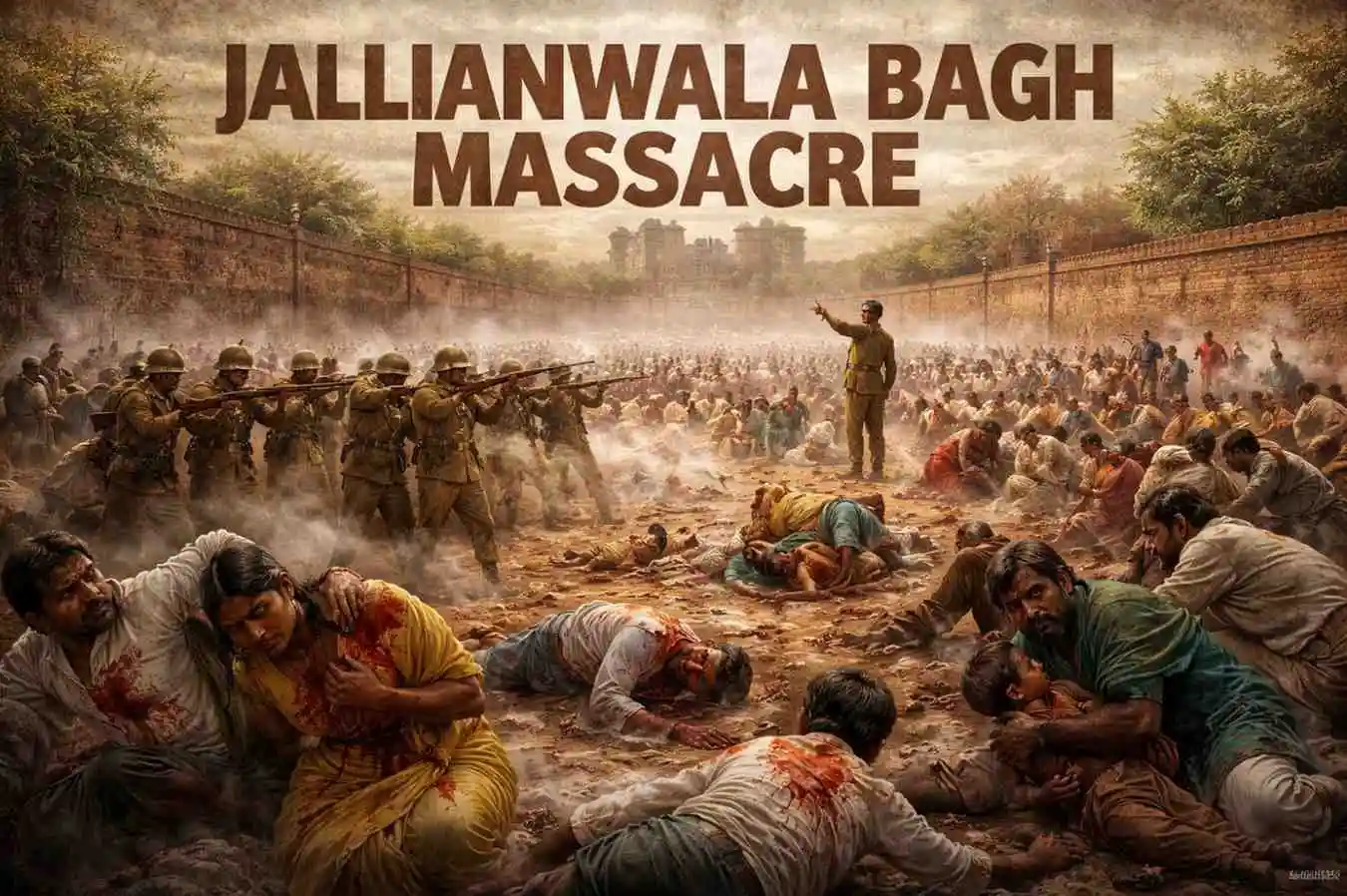
Nehru was profoundly influenced by the rising nationalist movement in India. He saw the effects of colonial rule firsthand and felt a strong urge to contribute to India’s freedom.
His return from abroad marked a turning point. He chose a path of political activism rather than a comfortable career.
Association with Mahatma Gandhi
Nehru worked closely with Mahatma Gandhi and became one of his most trusted associates. Despite their different personalities and approaches, they shared a common goal of independence.
Under Gandhi’s guidance, Nehru learned the importance of mass movements and moral leadership.
Role in the Indian Independence Movement
Participation in Major Movements
Nehru took part in major freedom movements. He was imprisoned several times and spent years in jail fighting for independence.
Despite the hardships, his commitment never wavered. His speeches and writings during this time inspired millions.
Leadership in the Indian National Congress
Nehru held various leadership positions within the Indian National Congress. He represented the hopes of younger Indians who wanted quick political and social change.
His leadership helped shape the party’s vision for a free and modern India.
Vision and Political Philosophy
Belief in Democracy
Nehru strongly believed in democratic values. He supported freedom of speech, equality before the law, and the rights of citizens.
He saw democracy as essential for managing India’s diversity and ensuring long-term stability.
Secularism and Unity
Nehru was a strong supporter of secularism, believing that the state should treat all religions equally. He emphasized unity and harmony among India’s diverse communities.
His secular vision became a key part of India’s constitutional framework.
Jawaharlal Nehru as Prime Minister
Taking Office After Independence
After India gained independence in 1947, Nehru became the country’s first Prime Minister. The nation faced many challenges, including poverty, partition, and rebuilding institutions.
Nehru’s leadership during this time was vital for maintaining stability and direction.
Building Democratic Institutions
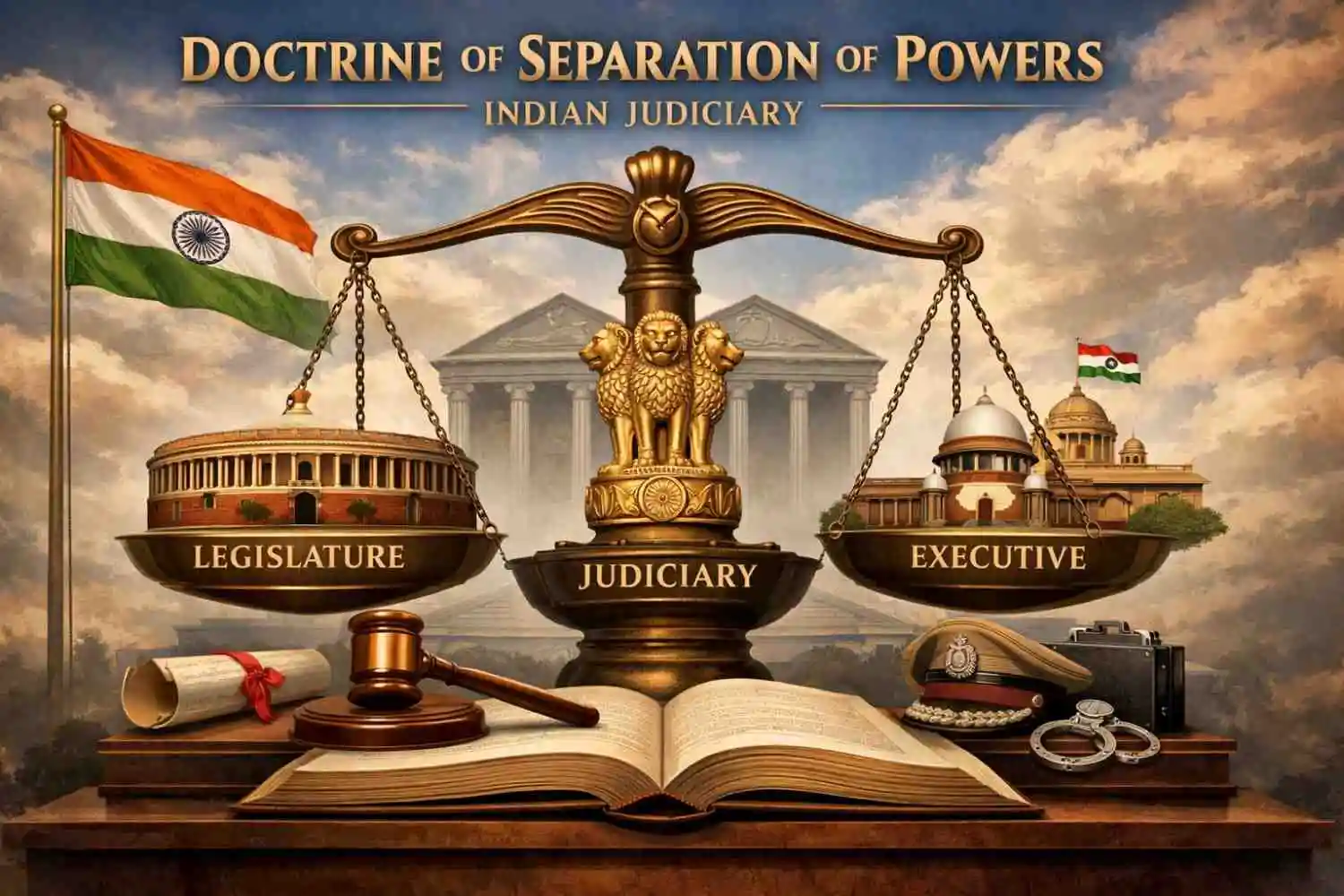
Nehru aimed to strengthen democratic institutions. He respected constitutional processes and promoted parliamentary democracy.
His commitment to democratic governance set a strong example for future leaders.
Economic and Social Policies
Planned Development
Nehru believed in planned economic development to fight inequality and poverty. He focused on industrial growth, infrastructure, and the public sector.
These policies aimed to make India self-sufficient and economically strong.
Focus on Education and Science
One of Nehru’s most significant contributions was his focus on education and scientific thinking. He believed that education was crucial for progress and modernization.
The institutions established during his time continue to support India’s development.
Foreign Policy and Global Vision
Non-Aligned Movement
Nehru played a vital role in shaping India’s foreign policy. He advocated for non-alignment, choosing not to side with major power blocs during global conflicts.
This approach helped India maintain independence in international relations.
Promoting Peace and Cooperation
Nehru believed in peaceful coexistence and international cooperation. He worked to strengthen ties with newly independent nations and promote global peace.
Challenges and Criticism
Domestic Challenges
Nehru faced criticism over his economic policies, decisions, and handling of specific national issues. Managing a newly independent and diverse nation was challenging.
Despite the criticism, he remained committed to democratic principles and dialogue.
Learning from Setbacks
Nehru recognized mistakes and valued learning from experience. His willingness to engage in debate and self-reflection set him apart as a leader.
Personal Life and Literary Contributions
Love for Literature
Nehru was a talented writer. His letters and books show a deep understanding of history and human values.
His writings remain widely read and respected.
Relationship with Children
Nehru had a special affection for children and believed they represented the nation’s future. His birthday is celebrated as Children’s Day in India.
Legacy of Jawaharlal Nehru
Architect of Modern India
Nehru is often called the architect of modern India. His policies laid the foundation for democracy, education, and scientific progress.
His vision shaped the early path of India’s development.
Enduring Influence
Nehru’s ideas still affect Indian politics, education, and foreign policy today. His focus on rational thinking and tolerance is relevant in today’s context.
Relevance in Contemporary Times
Lessons for Modern Leadership
Nehru’s leadership emphasizes the importance of vision, patience, and democratic values. His life demonstrates that building a nation needs long-term commitment.
Inspiration for Future Generations
Young people still find inspiration in his commitment to education, unity, and progress.
Conclusion
Jawaharlal Nehru was not just India’s first Prime Minister; he was a visionary leader who helped shape the essence of a new nation. His life was filled with sacrifice, intelligence, and a strong belief in democratic values.
Through his leadership, India became a sovereign, democratic, and forward-looking nation. His legacy reminds us that freedom needs to be nurtured through education, tolerance, and responsible governance.
Remembering Jawaharlal Nehru means honoring history while also continuing the journey toward a fair, inclusive, and progressive society.
Click below to generate summary