Bhagat Singh is one of the strongest symbols of courage, sacrifice, and revolutionary thought in India’s freedom struggle. Although his life was short, his ideas and fearless attitude made a lasting impact on Indian history. He was more than a revolutionary fighting against colonial rule; he was a thinker who deeply believed in justice, equality, and freedom.
During the time of British control in India, Bhagat Singh chose a path of resistance that required bravery and self-sacrifice. He thought freedom couldn't be begged for; it had to be earned. His writings, speeches, and actions showed a clear understanding of political oppression and social injustice.
Early Life and Family Background
Birth and Childhood
Bhagat Singh was born on 28 September 1907 in Banga village, now part of Punjab, India. He came from a family that was deeply involved in the freedom movement. His father, Kishan Singh, and his uncles actively participated in revolutionary activities.
Growing up in this environment shaped Bhagat Singh’s mindset from an early age. Stories of sacrifice and resistance were part of his everyday life, instilling patriotism in his heart.
Early Education and Influences
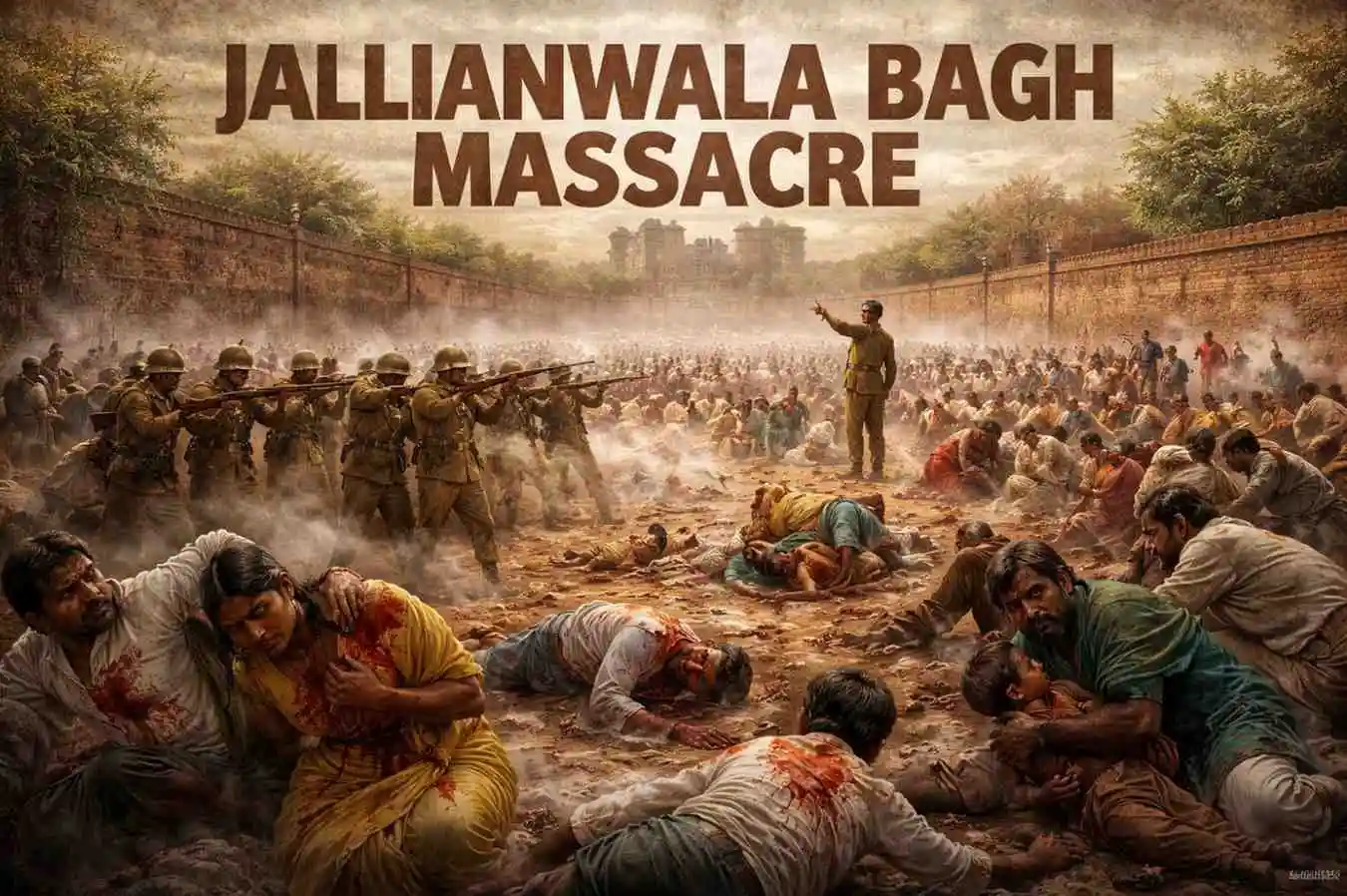
Bhagat Singh was a bright student who showed a keen interest in history, politics, and literature. The Jallianwala Bagh massacre greatly affected him while he was still a child. This tragic event left a profound impression on him and strengthened his determination to fight injustice.
He studied revolutionary movements worldwide and gained a critical understanding of colonial rule.
Development of Revolutionary Thinking
Exposure to Revolutionary Ideas
As Bhagat Singh matured, he began reading books on socialism, revolution, and political philosophy. He was influenced by thinkers who highlighted equality, freedom, and resistance against exploitation.
Unlike many revolutionaries, Bhagat Singh combined action with thoughtful analysis. He believed that true freedom required both political independence and social change.
Rejection of Blind Faith
Bhagat Singh openly challenged blind faith, superstition, and injustice. He valued rational thinking and encouraged people to question authority and tradition when they supported oppression.
His progressive mindset distinguished him from his peers.
Entry into the Revolutionary Movement
Joining Revolutionary Organizations
Bhagat Singh actively joined revolutionary groups focused on ending British rule. He collaborated with like-minded individuals who believed in direct action against colonial authority.
These groups aimed to awaken the masses and challenge the validity of foreign rule.
Commitment to the Cause
Unlike many young men his age, Bhagat Singh abandoned personal comfort and security. He led a disciplined life, fully devoted to the freedom cause.
His dedication stemmed not just from anger but from a clear vision of justice and equality.
Major Revolutionary Activities
Protest Against British Policies
Bhagat Singh believed that symbolic actions could stimulate public awareness. He carefully planned activities to highlight the injustices of colonial rule without harming innocent people.
His actions aimed to send a strong message rather than instill fear.
Assembly Bomb Incident
One of the best-known events linked to Bhagat Singh is the assembly incident. He and an associate threw non-lethal devices in the assembly to protest oppressive laws.
They surrendered willingly afterward, using the courtroom as a platform to share their revolutionary ideas.
Arrest, Trial, and Imprisonment
Use of Court as a Platform
Bhagat Singh turned his trial into a powerful means of spreading revolutionary thought. His fearless demeanor in court inspired people throughout the country.
He believed that ideas were more powerful than weapons and used his time in prison to write and reflect.
Hunger Strike in Jail
While in prison, Bhagat Singh went on a hunger strike to protest the cruel treatment of prisoners. This action gained wide public support and highlighted the brutality of colonial authorities.
The hunger strike showcased his dedication to dignity and human rights.
Ideology and Beliefs of Bhagat Singh
Vision of Freedom
For Bhagat Singh, freedom was not just the end of foreign rule. He imagined a society free from exploitation, inequality, and injustice.
He argued that political independence needed to go hand in hand with social and economic reform.
Views on Social Justice
Bhagat Singh strongly opposed discrimination based on caste, religion, or class. He advocated for unity among people and believed that divisions weakened the fight for freedom.
His ideas represented a modern and inclusive vision for India.
Martyrdom and Sacrifice
Execution and Final Days
On 23 March 1931, Bhagat Singh was executed along with his associates. He faced death with courage and composure, becoming a symbol of ultimate sacrifice.
His execution shocked the nation and intensified the struggle for independence.
Reaction Across India
People all over India mourned his death, but they also drew strength from his courage. His martyrdom strengthened the determination of countless freedom fighters.
Impact on the Indian Freedom Movement
Influence on Youth
Bhagat Singh became a symbol for young Indians. His bravery and clear thinking inspired generations to stand up against injustice.
Even today, his name is linked to courage and rebellion against oppression.
Role in Strengthening Resistance
Although his methods varied from others, Bhagat Singh’s actions pressured colonial rulers. His revolutionary spirit complemented other movements and sped up political change.
Literary Contributions and Writings
Importance of His Writings
Bhagat Singh was not just a revolutionary; he was a writer and thinker. His writings show a deep understanding of politics, society, and human rights.
They continue to be studied for their clarity and relevance.
Legacy of Ideas
His ideas remain important in discussions about freedom, equality, and justice. He urged people to think critically and act responsibly.
Legacy in Independent India
National Recognition
Bhagat Singh is honored across India with memorials, institutions, and public remembrance. His life is taught in schools and discussed in academic circles.
He is remembered not only as a martyr but as a visionary thinker.
Cultural and Social Influence
Books, films, and literature keep portraying his life and ideas. His story speaks to those seeking courage and purpose.
Relevance in the Modern World
Lessons for Today’s Society
Bhagat Singh’s focus on justice, equality, and rational thinking continues to matter today. His life encourages individuals to stand against injustice in all its forms.
Inspiration Beyond Borders
His revolutionary spirit has inspired movements beyond India, making him a global symbol of resistance and courage.
Conclusion
Bhagat Singh was more than a revolutionary; he was a thinker, a dreamer, and a fearless patriot. His life serves as a reminder that freedom demands sacrifice, courage, and clarity of purpose.
Though he lived only 23 years, his ideas still inspire millions. His legacy teaches us that standing up for truth and justice is always worth the cost.
Remembering Bhagat Singh is not just about honoring history; it is about keeping the spirit of courage and responsibility alive in our everyday lives.
Click below to generate summary