The year 1947 stands as one of the most turbulent and emotionally charged periods in the history of the Indian subcontinent. As India approached independence from British colonial rule, the joy of freedom was overshadowed by unprecedented communal violence following the Partition of India. Amid this chaos, Mahatma Gandhi undertook one of his most courageous and compassionate missions—the Noakhali Peace March.
Beginning on November 7, 1946, and continuing into 1947, Gandhi walked through the violence-ravaged villages of Noakhali in eastern Bengal (now in Bangladesh). His mission was simple yet profound: to restore peace, rebuild trust, and reaffirm humanity during one of history’s darkest communal conflicts.
Historical Background: India on the Brink of Partition
By the mid-1940s, British India was approaching independence, but rising communal tensions between religious communities threatened the fragile unity of the nation. The demand for Pakistan had intensified, and communal riots had erupted in several regions.
The situation worsened after the announcement of Direct Action Day in August 1946, leading to widespread violence in Calcutta and later spreading to Bihar, Punjab, and Bengal. The eastern district of Noakhali became one of the worst affected regions.
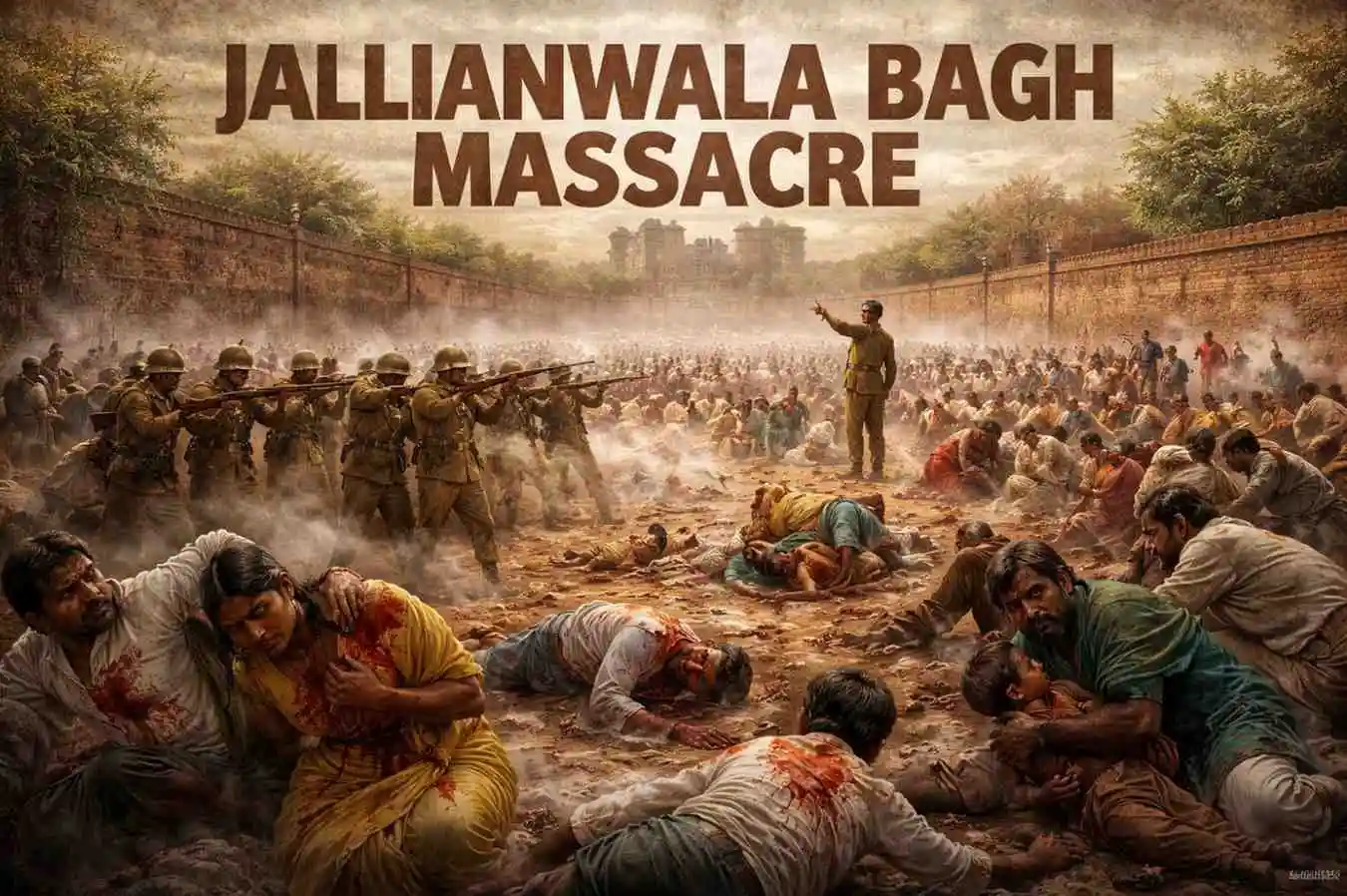
Villages were destroyed, homes burned, and innocent civilians displaced. The violence was not merely physical—it deeply fractured social trust that had existed for generations.
Why Noakhali?
Noakhali, located in present-day Bangladesh, became a symbol of communal breakdown. Reports of forced conversions, displacement, and brutal violence shocked the nation.
Rather than addressing the crisis from a distance, Mahatma Gandhi chose to go directly to the affected areas. He believed peace could not be restored through speeches or political negotiations alone—it required presence, empathy, and moral courage.
Gandhi declared that he would “walk barefoot through the villages of Noakhali until peace returned.”
The Beginning of the Noakhali Peace March
Gandhi arrived in Noakhali in November 1946 and began his peace march on foot, traveling from village to village. He lived among the people, listened to their suffering, and appealed to their conscience.
Accompanied by a small group of followers, he stayed in huts, shared meals with locals, and refused special security arrangements. His physical presence sent a powerful message of solidarity and fearlessness.
Gandhi’s Philosophy of Nonviolence in Action
The Noakhali Peace March was not symbolic—it was practical nonviolence in action. Gandhi believed that true peace could only be achieved by transforming hearts, not by force.
His methods included:
-
Direct dialogue with affected families
-
Prayer meetings involving all communities
-
Encouraging forgiveness and reconciliation
-
Restoring confidence among displaced populations
Through patience and moral authority, he sought to heal wounds that politics alone could not mend.
Challenges and Opposition
Gandhi’s efforts were not without resistance. Some viewed his presence as ineffective or symbolic. Others feared retaliation or doubted whether peace was possible.
Despite threats to his life, Gandhi refused protection. He believed fearlessness was essential to inspire courage in others.
Even within political circles, some questioned the practicality of his approach during such volatile times. Yet Gandhi remained steadfast.
Role of Women and Volunteers
Women played a significant role during the Noakhali Peace March. Volunteers worked tirelessly to provide food, medical aid, and emotional support to survivors.
Gandhi encouraged women to take leadership roles in reconciliation efforts, emphasizing their moral strength and resilience.
Their involvement helped rebuild trust within communities fractured by violence.
Impact on Local Communities
The presence of Gandhi brought a gradual sense of calm. While violence did not end overnight, incidents significantly reduced in areas he visited.
Villagers began reopening homes and marketplaces. Conversations replaced fear, and coexistence slowly returned.
Gandhi’s approach demonstrated that peace was not imposed but cultivated through empathy and dialogue.
Spiritual Dimension of the March
For Gandhi, peace was inseparable from spirituality. Daily prayers, silence, and introspection were integral to his journey.
He believed that communal harmony required inner transformation. His spiritual discipline inspired many to reflect on their own responsibilities toward others.
National and International Reactions
The Noakhali Peace March drew global attention. International media highlighted Gandhi’s courage and moral authority.
World leaders and thinkers admired his unwavering commitment to nonviolence during one of the most violent periods in modern history.
The march reinforced Gandhi’s image as a global symbol of peace.
Influence on India’s Independence Movement
Although the march did not prevent Partition, it strengthened the moral foundation of India’s freedom movement.
Gandhi’s actions reminded the nation that independence without unity would be hollow. His message emphasized ethical leadership over political power.
Lessons from the Noakhali Peace March
The march offers enduring lessons:
-
Peace requires courage, not passivity
-
Dialogue can heal deep wounds
-
Moral leadership can influence even the darkest moments
These lessons remain relevant in a world still grappling with conflict and division.
Gandhi’s Final Mission Before Independence
The Noakhali Peace March was among Gandhi’s last major campaigns before India gained independence in August 1947.
Soon after, violence erupted again during Partition, deeply affecting him. Yet his commitment to peace never wavered.
His life ended tragically in 1948, but his ideals continue to guide humanity.
Also Read: Netaji Subhas Chandra Bose and the Hoisting of the Tricolour (1943)
Legacy of the Noakhali Peace March
Today, the Noakhali Peace March stands as a timeless example of moral courage. It represents the power of nonviolence in the face of hatred and despair.
The march is remembered not just as a historical event but as a moral compass for humanity.
Relevance in the Modern World
In an era marked by polarization and conflict, Gandhi’s actions in Noakhali offer valuable lessons. His emphasis on dialogue, empathy, and grassroots engagement remains deeply relevant.
The march teaches that peace begins with individuals willing to act with compassion and courage.
Conclusion
The Noakhali Peace March of 1947 stands as one of Mahatma Gandhi’s most profound contributions to humanity. At a time when violence threatened to define the destiny of a nation, he chose the path of peace, empathy, and moral strength.
His journey through Noakhali was not just a response to violence—it was a timeless message of hope. Even in the darkest moments, humanity can choose compassion over hatred and unity over division.
Click below to generate summary