Jallikattu is a traditional bull-taming sport that originates from the Indian state of Tamil Nadu and holds immense cultural, historical, and emotional significance for the Tamil people. The word Jallikattu is derived from two Tamil words: “Jalli”, which refers to silver or gold coins tied to the horns of a bull, and “Kattu”, meaning to tie. Traditionally, participants attempted to grab the prize by taming the bull, symbolizing bravery, strength, and valor.
Jallikattu is not merely a sport; it is deeply intertwined with Tamil identity, agrarian life, cattle conservation, and ancient traditions. However, in modern times, the practice has become highly controversial due to concerns related to animal cruelty, human safety, and legal regulation. The debate surrounding Jallikattu has evolved into a broader discussion on cultural rights, animal welfare, constitutional values, and judicial intervention.
Historical Origins of Jallikattu
The origins of Jallikattu can be traced back more than 2,000 years to the ancient Tamil civilization. Evidence of bull-taming sports is found in classical Tamil literature, particularly in Sangam texts such as Silappadikaram, Kalithogai, and Mullaikali, which describe heroic acts involving bulls. These texts indicate that bull-taming was an integral part of Tamil society and was closely associated with valor, masculinity, and social prestige.
Historically, Jallikattu was practiced as part of agrarian life. Bulls were essential for ploughing fields, transportation, and breeding cattle. The sport served as a way to identify strong bulls suitable for breeding, thereby ensuring the survival of indigenous cattle breeds. It was also a rite of passage for young men, who demonstrated courage and physical strength by taming powerful bulls.
Jallikattu was traditionally conducted during Pongal, the harvest festival celebrated in January. Pongal symbolizes gratitude to nature, cattle, and farmers, and Jallikattu was a key event in honoring the role of cattle in agriculture.
Cultural and Social Significance of Jallikattu
Symbol of Tamil Identity
Jallikattu holds a unique place in Tamil culture and is often viewed as a symbol of Tamil pride and identity. For many Tamils, the sport represents resistance to cultural homogenization and the preservation of indigenous traditions. The strong emotional attachment to Jallikattu became evident during the mass protests in Tamil Nadu in 2017, when people from all walks of life came together to demand its legalization.
Community Participation
Jallikattu is not an individual sport but a community-driven event. Villagers collectively organize the event, raise bulls, prepare arenas, and participate in celebrations. The festival fosters unity, cooperation, and a sense of belonging among community members.
Role in Rural Economy
The sport contributes to the rural economy by encouraging cattle rearing, supporting local breeders, and preserving native cattle breeds such as Kangayam, Pulikulam, and Bargur. These breeds are known for their strength, disease resistance, and adaptability to local climatic conditions.
Traditional Practice of Jallikattu
Traditionally, Jallikattu was conducted in an open ground known as “Vadi Vasal”, where bulls were released one by one. Participants attempted to hold onto the hump of the bull and run alongside it for a certain distance. The objective was not to harm the animal but to demonstrate control and bravery.
Different regions of Tamil Nadu have variations of the sport, including:
-
Vaadi Manjuvirattu
-
Eruthazhuvuthal
-
Vadamadu
Each form has its own rules, customs, and significance.
Indigenous Cattle Breeds and Jallikattu
One of the strongest arguments in favor of Jallikattu is its role in preserving indigenous cattle breeds. Unlike commercial dairy breeds, native bulls are often not economically profitable for milk production, leading to their decline. Jallikattu incentivizes farmers to raise and protect these bulls.
Indigenous breeds associated with Jallikattu include:
-
Kangayam
-
Pulikulam
-
Umbalachery
-
Alambadi
-
Bargur
Supporters argue that banning Jallikattu would accelerate the extinction of these breeds and harm biodiversity.
Animal Welfare Concerns
Despite its cultural significance, Jallikattu has been criticized by animal rights organizations for subjecting bulls to cruelty. Allegations include:
-
Physical abuse of bulls
-
Use of irritants to provoke aggression
-
Stress and injury to animals
-
Unsafe conditions leading to injuries or death
Organizations such as People for the Ethical Treatment of Animals (PETA) and the Animal Welfare Board of India (AWBI) have consistently opposed the practice, arguing that it violates animal welfare laws and ethical standards.
Human Safety Issues
Jallikattu has also raised serious concerns regarding human safety. Over the years, several participants and spectators have been injured or killed during the events. The unpredictable nature of bulls and lack of proper safety measures have contributed to accidents.
Critics argue that no cultural practice should endanger human life, and that modern safety standards must be applied to traditional sports.
Legal Framework and Judicial Intervention
Prevention of Cruelty to Animals Act, 1960
The legal controversy surrounding Jallikattu primarily revolves around the Prevention of Cruelty to Animals (PCA) Act, 1960, which aims to prevent unnecessary suffering to animals. Animal rights groups argue that Jallikattu violates the provisions of this Act.
Supreme Court Ban (2014)
In 2014, the Supreme Court of India banned Jallikattu, declaring it illegal and unconstitutional on the grounds of animal cruelty. The Court emphasized that animals have intrinsic value and deserve protection under the law.
2017 Amendment and Ordinance
Following widespread protests in Tamil Nadu in 2017, the state government passed an ordinance amending the PCA Act to allow Jallikattu under regulated conditions. The amendment aimed to address animal welfare concerns while preserving cultural traditions.
Ongoing Legal Debate
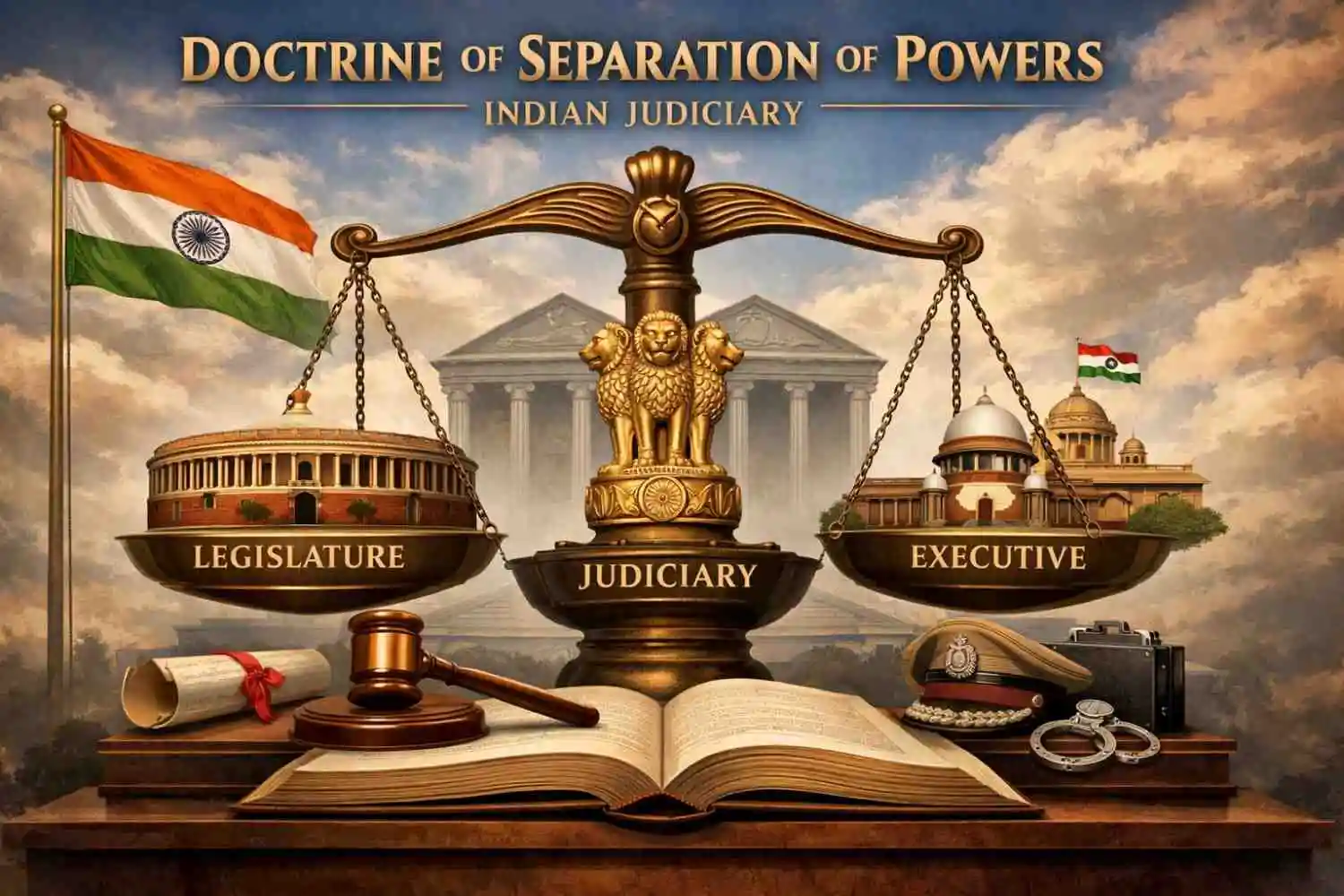
The constitutional validity of the Tamil Nadu amendment has been challenged in the Supreme Court. The debate focuses on the balance between:
-
Cultural rights under Article 29
-
Right to life and safety
-
Animal welfare and ethical responsibility
2017 Protests: A Cultural Movement
The 2017 protests marked a turning point in the Jallikattu debate. Millions of people, particularly youth, gathered across Tamil Nadu to demand the lifting of the ban. Social media played a crucial role in mobilizing public support.
The protests were largely peaceful and demonstrated the deep emotional and cultural attachment people have to Jallikattu. The movement was also seen as an assertion of regional identity and democratic participation.
Government Regulation and Safety Measures
To address concerns, the Tamil Nadu government introduced regulations such as:
-
Veterinary health checks for bulls
-
Registration of participants
-
Medical facilities at venues
-
Prohibition of alcohol and harmful practices
-
Monitoring by officials
These measures aim to ensure animal welfare and human safety while allowing the continuation of the tradition.
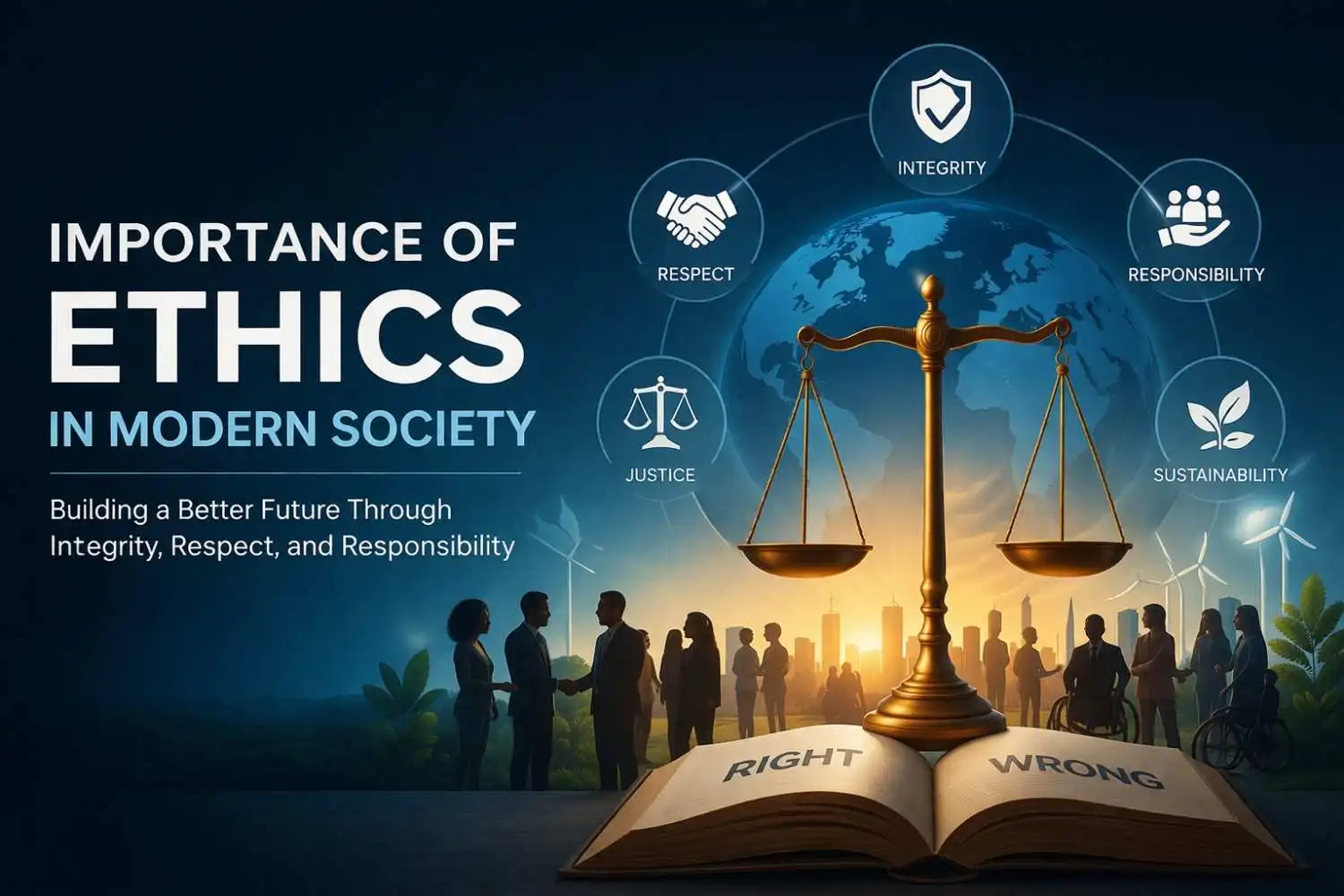
Ethical Debate: Tradition vs Modern Values
The Jallikattu debate raises important ethical questions:
-
Can cultural traditions justify risks to animals and humans?
-
Should traditions evolve with changing societal values?
-
Who decides what constitutes cruelty or heritage?
Supporters argue that Jallikattu, when regulated, is no more cruel than other animal-based sports. Opponents contend that ethical standards must evolve to reflect compassion and safety.
Jallikattu in Contemporary India
Today, Jallikattu exists at the intersection of tradition, law, and modernity. It continues to be celebrated in many parts of Tamil Nadu under regulated conditions. The debate has also sparked discussions on:
-
Federalism and state rights
-
Cultural autonomy
-
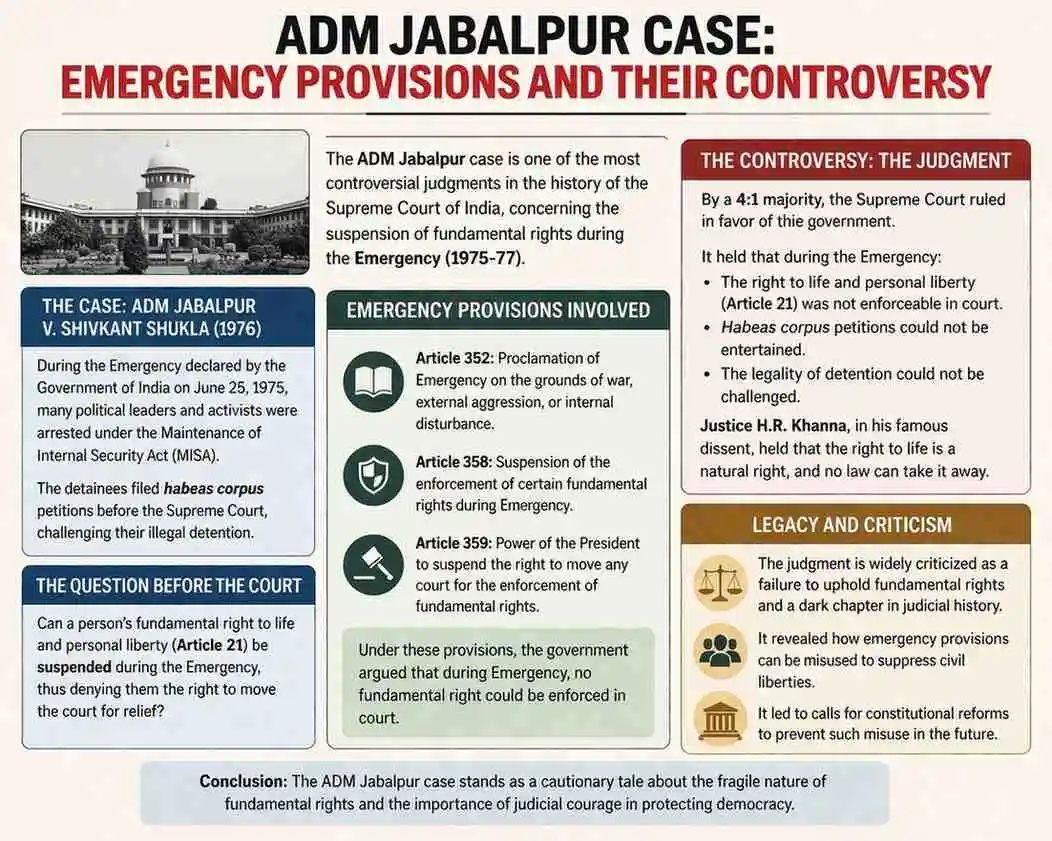
Role of judiciary in social issues
-
Animal rights jurisprudence
Comparative Perspective
Globally, many cultures have traditional animal-based sports, such as bullfighting in Spain and rodeos in the United States. These practices have also faced criticism and regulation, highlighting a global tension between tradition and ethics.
The Way Forward
A balanced approach is necessary to address the complexities of Jallikattu:
-
Strict enforcement of safety and welfare regulations
-
Continuous monitoring and transparency
-
Public awareness on ethical treatment of animals
-
Dialogue between stakeholders
Rather than outright bans, reform and regulation may offer a sustainable solution.
Conclusion
Jallikattu is more than a sport; it is a reflection of Tamil history, culture, and identity. At the same time, it raises legitimate concerns regarding animal welfare and human safety. The challenge lies in finding a harmonious balance between preserving cultural heritage and upholding ethical and legal standards.
The future of Jallikattu depends on responsible regulation, societal awareness, and respect for both tradition and compassion. As India continues to evolve, so must its approach to reconciling cultural practices with modern values.
Click below to generate summary