The establishment of the East India Company in 1600 marked a turning point in world history. What began as a commercial venture gradually evolved into a powerful political and military force that reshaped the Indian subcontinent and influenced global trade patterns for centuries. The granting of a royal charter by Queen Elizabeth I laid the institutional foundation for British involvement in India, which eventually resulted in long-term colonial rule.
Historical Background of European Trade with the East
Before the formation of the East India Company, Europe had long been fascinated by the wealth of the East. Indian spices, silk, cotton textiles, indigo, and precious stones were in high demand across European markets. These goods reached Europe mainly through Arab and Venetian traders, making them expensive and scarce.
By the late 15th century, European powers began searching for direct sea routes to Asia. This desire led to major maritime explorations.
Key Developments Before 1600
-
In 1498, Vasco da Gama reached Calicut, opening a sea route between Europe and India
-
Portugal established trading posts along the Indian coast
-
Spain, the Netherlands, and France began overseas trade expansion
-
England sought to compete with existing European powers in Asian commerce
England, however, lacked a structured organization to manage overseas trade efficiently. This gap led to the creation of a joint-stock company dedicated to Eastern trade.
Foundation of the East India Company
On 31 December 1600, Queen Elizabeth I granted a royal charter to a group of London merchants. The organization was officially named “The Governor and Company of Merchants of London Trading into the East Indies.” This marked the formal establishment of the East India Company.
The charter authorized the company to conduct trade with regions lying east of the Cape of Good Hope and west of the Straits of Magellan.
The Royal Charter of 1600
The royal charter was a crucial legal document that defined the powers and privileges of the company. It gave legitimacy and protection to English merchants operating in distant and often hostile territories.
Main Features of the Royal Charter
-
Exclusive trading rights for 15 years
-
Authority to acquire property overseas
-
Permission to maintain armed forces for protection
-
Right to negotiate treaties with local rulers
-
Legal autonomy to govern its employees and settlements
The charter transformed a group of private merchants into a legally empowered institution with far-reaching authority.
Trade Monopoly and Its Significance
One of the most important provisions of the charter was the grant of a trade monopoly. This meant that no other English individual or company could trade with the East without the company’s permission.
Advantages of the Monopoly
-
Reduced competition among English traders
-
Higher profits and financial stability
-
Ability to plan long-term trade strategies
-
Encouragement of large-scale investment
This monopoly played a key role in strengthening the company’s position and allowed it to accumulate vast economic resources over time.
Organizational Structure of the Company
The East India Company was one of the earliest examples of a joint-stock company. Investors purchased shares, and profits were distributed according to investment.
Governance System
-
Governor: Head of the company
-
Court of Directors: Managed daily operations
-
Court of Proprietors: Shareholders who voted on major decisions
This structure enabled collective risk-sharing and efficient management of long-distance trade.
Early Trading Activities in Asia
The company’s first voyage set sail in 1601 under the command of James Lancaster. Initially, its focus was on trade with Southeast Asia, especially the spice islands.
However, competition with the Dutch forced the company to shift its attention to India, which offered more stable trading opportunities.
Major Trade Commodities
-
Spices such as pepper and cloves
-
Cotton textiles
-
Silk and indigo
-
Saltpeter and tea
Indian goods quickly gained popularity in English markets, making India the central hub of the company’s operations.
Establishment of Trading Factories in India
To facilitate trade, the company established trading posts known as factories along the Indian coastline.
Important Early Factories
-
Surat (1613)
-
Masulipatnam
-
Madras (Fort St. George, 1639)
-
Bombay (1668)
-
Calcutta (Fort William, 1690)
These factories were initially commercial centers but later evolved into administrative and military bases.
Relationship with Indian Rulers
During its early years, the company depended heavily on the goodwill of Indian rulers, especially the Mughal emperors.
In 1615, Sir Thomas Roe secured trading privileges from Emperor Jahangir. This marked a significant diplomatic success for the company.
Early Nature of Relations
-
Trade permissions granted through farmans
-
Limited political interference
-
Respect for local authority
-
Dependence on Indian merchants and bankers
Over time, this relationship shifted as the company gained military and political strength.
Transformation from Traders to Rulers
The most remarkable aspect of the East India Company’s history is its transformation from a trading organization into a ruling power.
Several factors contributed to this change:
-
Decline of the Mughal Empire
-
Rivalry among Indian states
-
European military technology
-
Economic dominance through trade
The victory at the Battle of Plassey in 1757 marked a decisive step toward political control, although the foundation had been laid much earlier.
Economic Impact on India
The company’s activities significantly altered India’s economic structure.
Key Economic Changes
-
Decline of traditional handicrafts
-
Drain of wealth to Britain
-
Reorientation of agriculture toward cash crops
-
Integration of India into global trade networks
While British industries benefited greatly, Indian producers often suffered due to unfair trade practices.
Also Read: Jana Gana Mana
Administrative and Legal Authority
Gradually, the company acquired administrative responsibilities. It collected revenue, maintained law and order, and administered justice in the territories under its control.
This blending of commercial and political functions was unique and unprecedented in world history.
Role in the Expansion of British Colonial Rule
The East India Company served as the primary instrument of British expansion in India. Its private army, funded by trade revenues, allowed it to conquer vast territories.
By the early 19th century, the company controlled most of the Indian subcontinent, directly or indirectly.
Criticism and Regulation in Britain
As the company’s power grew, it faced increasing criticism in Britain.
Major Concerns
-
Corruption among officials
-
Exploitation of Indian resources
-
Abuse of political power
-
Lack of accountability
This led to parliamentary interventions such as the Regulating Act of 1773 and the Pitt’s India Act of 1784.
Decline and End of the Company
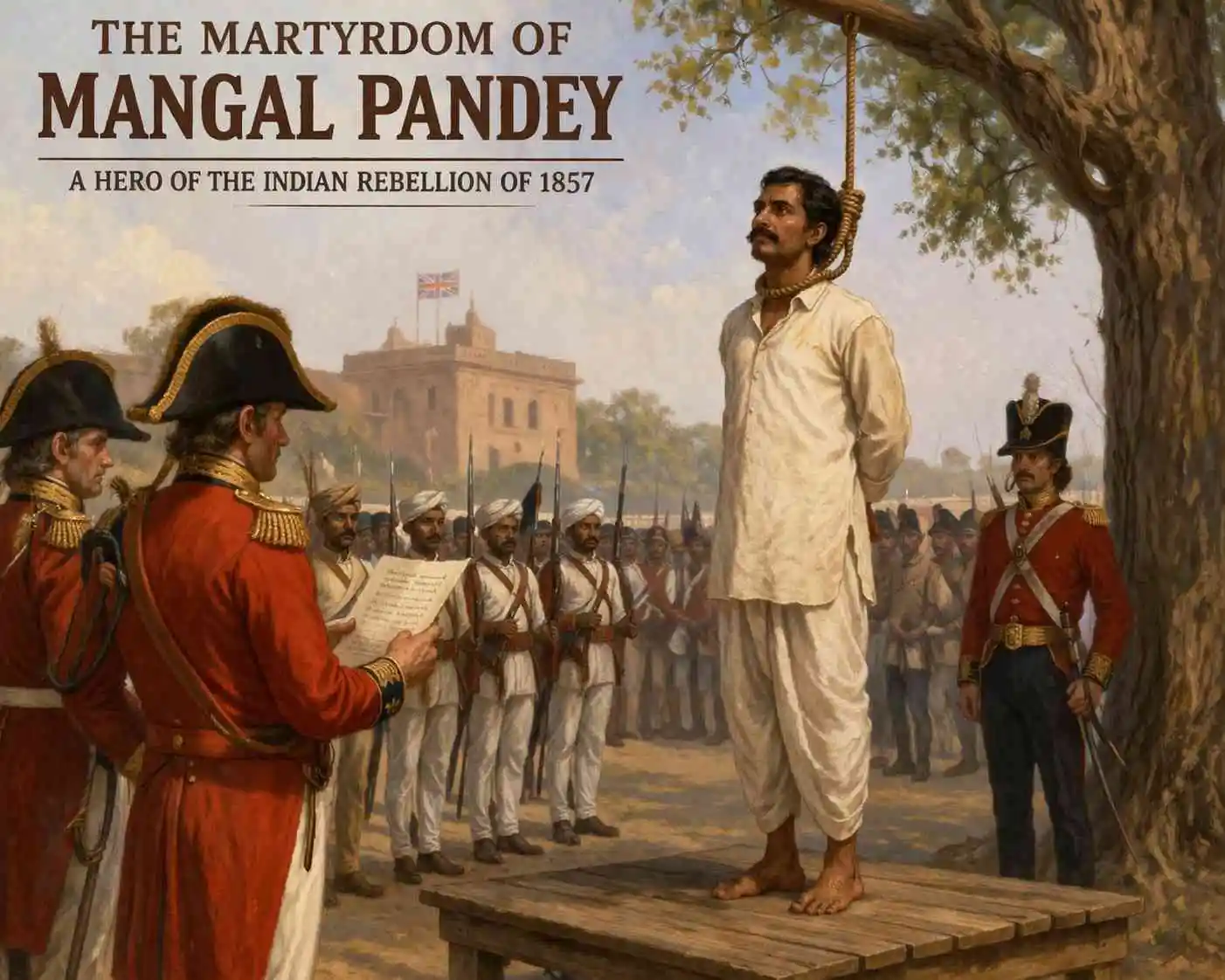
The Indian Revolt of 1857 exposed the limitations of company rule. In response, the British government abolished the company’s administrative authority.
In 1858, control of India was transferred to the British Crown, marking the end of company rule but not of British domination.
Long-Term Historical Significance
The establishment of the East India Company in 1600 had consequences far beyond trade.
Lasting Impacts
-
Introduction of British legal and administrative systems
-
Expansion of English education and language
-
Restructuring of Indian economy and society
-
Foundation of modern colonial governance
Its legacy remains deeply embedded in Indian history.
Conclusion
The establishment of the East India Company in 1600 was not merely a commercial event; it was the beginning of a process that transformed India and Britain alike. Through a royal charter and trade monopoly, the company gained unprecedented power, eventually becoming the ruler of vast territories.
Understanding this history helps explain the origins of British colonial rule in India and the profound changes that followed. What began as a trading venture ultimately reshaped political authority, economic systems, and global history.
Click below to generate summary