The felonious justice system of any country depends not only on laws that define crimes but also on procedures that insure justice is delivered fairly, efficiently, and lawfully. In India, this procedural backbone is handed by the Code of Criminal Procedure, generally known as CrPC. It governs how felonious cases are delved , fulfilled, tried, and concluded. Without this frame, indeed the most well- drafted felonious laws would fail to serve duly.
CrPC plays a pivotal part in balancing the powers of the state with the rights of individualities. It outlines how police authorities operate, how courts conduct trials, and how indicted persons, victims, and substantiations are treated throughout the felonious process.
What Is CrPC and Why It Exists
The Code of Criminal Procedure is a comprehensive enactment that lays down the procedural law for felonious justice in India. Its primary purpose is to insure that felonious cases are handled totally, lawfully, and without arbitrariness. While substantial felonious law, similar as the Indian Penal Code, defines offenses and corrections, CrPC explains how those offenses are to be dealt with.
The actuality of CrPC ensures thickness across the country. Whether a case is registered in a metropolitan megacity or a pastoral quarter, the same procedural norms apply. This uniformity helps maintain public confidence in the justice system and prevents abuse of authority by law enforcement agencies.
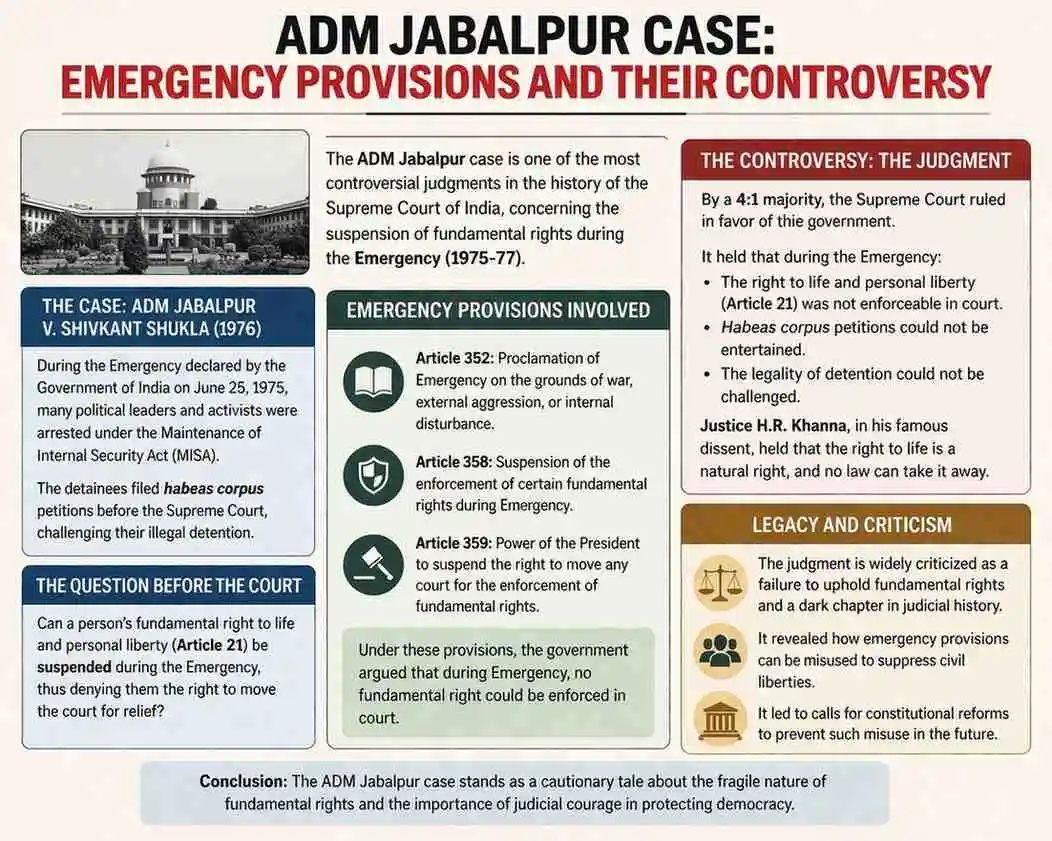
CrPC also protects abecedarian rights. By setting limits on apprehensions, detentions, quests, and trials, it acts as a safeguard against unlawful conduct and ensures due process of law.
literal Development of CrPC
The origins of CrPC can be traced back to the social period. The British administration introduced early performances of felonious procedure canons to establish control and uniformity in governance. Over time, these laws evolved to address executive requirements and social realities.
The present law of Criminal Procedure was legislated in 1973 and came into force in 1974. This interpretation replaced the aged 1898 law and introduced significant reforms. The end was to contemporize felonious procedure, reduce detainments, and make the system more responsive to societal requirements.
Since its enactment, CrPC has experienced several emendations to address arising challenges similar as organized crime, terrorism, victim rights, and technological advancements. Despite these changes, its core ideal remains the same fair and effective administration of felonious justice.
Structure and Organization of CrPC
CrPC is a detailed and structured law conforming of multitudinous sections divided into chapters. This organized frame helps legal professionals, police officers, and courts navigate the procedures with clarity.
The law astronomically covers the constitution of felonious courts, powers of judges and adjudicators, procedures for arrest and disquisition, trial processes, sentencing, prayers, and prosecution of orders. Each chapter focuses on a specific stage of felonious proceedings, icing a logical inflow from the inauguration of a case to its final resolution.
This structured approach reduces nebulosity and promotes responsibility at every stage of the felonious justice process.
Criminal Courts Under CrPC
One of the foundational aspects of CrPC is the bracket and functioning of felonious courts. The law establishes a scale of courts, each with defined powers and governance.
At the lower position are Magistrate Courts, which handle the maturity of felonious cases. Above them are Sessions Courts, which deal with more serious offenses. At the top are High Courts and the Supreme Court, which exercise appellate and administrative governance.
CrPC easily defines the powers of each court, including the types of cases they can hear and the maximum corrections they can put. This division ensures effectiveness and prevents overloading of advanced courts with minor cases.
Police Powers and liabilities
CrPC lays down detailed rules regarding the powers and duties of the police. These vittles are designed to strike a balance between effective law enforcement and individual liberty.
The law explains how information about an offense is recorded, how examinations are conducted, and under what conditions apprehensions can be made. It also specifies procedures for quests, seizures, and custodial interrogation.
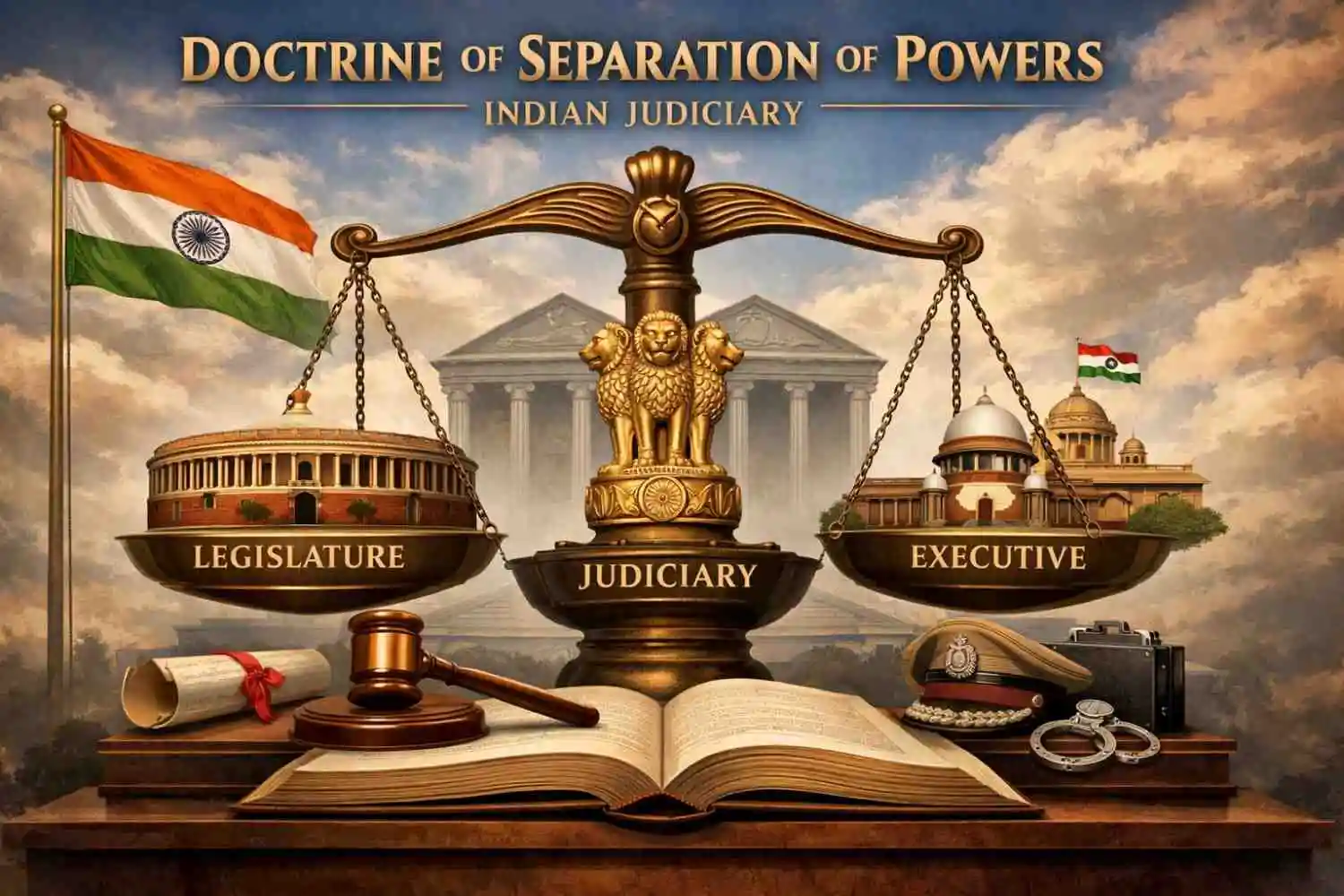
Importantly, CrPC imposes legal checks on police authority. It requires attestation, judicial oversight, and compliance with timelines, icing translucency and responsibility.
Arrest and Detention Procedures
Arrest is one of the most sensitive aspects of felonious procedure, as it directly affects particular liberty. CrPC provides clear guidelines to help arbitrary or gratuitous apprehensions.
The law explains when an arrest can be made without a leave and when judicial blessing is needed. It also outlines the rights of the arrested person, including the right to be informed of the grounds of arrest and the right to legal counsel.
Time limits for police guardianship and judicial remand are also specified. These vittles help help illegal detention and custodial abuse.
disquisition and Form of Charges
disquisition is the process through which data and substantiation are gathered. CrPC regulates this stage to insure fairness and effectiveness.
The law describes how examinations begin, how substantiation is collected, and how statements are recorded. It also explains the form of charge wastes or check reports, depending on the outgrowth of the disquisition.
Judicial supervision plays a crucial part during this stage. Adjudicators have the authority to cover examinations and issue directions to insure compliance with the law.
Trial Process Explained
The trial is the stage where substantiation is examined, arguments are presented, and guilt or innocence is determined. CrPC categorizes trials into different types grounded on the inflexibility of the offense.
The law explains procedures for summoning indicted persons, examination of substantiations, recording of substantiation, and delivery of judgments. It also ensures that trials are conducted fairly and without gratuitous detention.
Rights of the indicted, including the right to defense and the presumption of innocence, are central to the trial process under CrPC.
part of Public Prosecutors and Defense attorneys
CrPC defines the part of public prosecutors, who represent the state, and defense attorneys, who represent the indicted. This balance ensures an inimical system where both sides present their case before an unprejudiced judge.
Public prosecutors are anticipated to act fairly and not simply seek persuasions. Defense attorneys insure that the rights of the indicted are defended and that the execution meets its burden of evidence.
This structured representation helps maintain fairness and credibility in felonious trials.
Bail vittles Under CrPC
Bail is an important conception that reflects the principle that detention before conviction should be an exception, not the rule. CrPC classifies offenses into bailable andnon-bailable orders.
The law explains when bail can be granted as a matter of right and when it depends on judicial discretion. Factors similar as the nature of the offense, liability of lamming, and threat of substantiation tampering are considered.
By regulating bail, CrPC helps cover particular liberty while icing the proper administration of justice.
Victim Rights and Compensation
ultramodern emendations to CrPC have strengthened the position of victims in the felonious justice process. before, victims had limited participation in proceedings, but this has changed significantly.
The law now includes vittles for victim compensation, legal backing, and participation in certain stages of the trial. These changes reflect a shift toward a further inclusive and balanced justice system.
Feting victims’ rights enhances public trust and ensures that justice addresses harm suffered, not just legal violations.
prayers, variations, and Review Mechanisms
CrPC provides mechanisms for grueling judicial opinions through prayers and variations. These vittles insure that crimes can be corrected and justice is n't compromised.
The law specifies which courts can hear prayers and under what conditions. It also allows advanced courts to review proceedings to insure legitimacy and propriety.
These safeguards support the principle that justice must n't only be done but must also be seen to be done.
prosecution of rulings and Orders
Once a judgment is delivered, CrPC governs how rulings and orders are executed. This includes imprisonment, forfeitures, exploration, and other forms of discipline.
The law ensures that prosecution is carried out lawfully and humanely. It also provides procedures for suspense, absolution, and dicker of rulings under certain conditions.
These vittles reflect a balance between discipline and reform.
significance of CrPC in Everyday Life
CrPC affects ordinary citizens more than numerous realize. From filing a police complaint to seeking bail or appearing as a substantiation, its vittles shape everyday relations with the felonious justice system.
Understanding CrPC empowers individualities to assert their rights and fulfill their liabilities. It also promotes legal mindfulness, which is essential for a popular society governed by the rule of law.
Challenges and review
Despite its significance, CrPC faces review for detainments, complexity, and procedural severity. Overburdened courts, lengthy examinations, and frequent adjournments frequently undermine its effectiveness.
Legal experts and policymakers continue to debate reforms aimed at simplifying procedures, incorporating technology, and perfecting effectiveness. These conversations punctuate the need for nonstop elaboration of felonious procedure.
The Future of CrPC in India
As society changes, felonious procedure must acclimatize. Arising challenges similar as cybercrime, digital substantiation, and international offenses bear procedural invention.
unborn reforms are likely to concentrate on speed, translucency, and victim- centric approaches while conserving due process. CrPC’s rigidity has been one of its strengths, and it'll continue to evolve with India’s legal geography.
Conclusion
CrPC is further than a legal document; it's the functional frame of India’s felonious justice system. By defining procedures, guarding rights, and icing responsibility, it plays a vital part in maintaining law and order.
Its significance lies in its balance — between state authority and individual liberty, between effectiveness and fairness. Understanding CrPC helps citizens, legal professionals, and institutions work together toward a just society. As India continues to grow and change, the principles bedded in this law will remain essential to the pursuit of justice.
Click below to generate summary