The birth anniversary of Shaheed Udham Singh is a moment of deep reflection and national pride. He was not merely a revolutionary; he was the embodiment of resistance, courage, and unwavering determination against colonial injustice. His name is inseparably linked with the tragic Jallianwala Bagh massacre, a wound that scarred India’s collective soul. Udham Singh’s life stands as a testament to the idea that the fight for justice may span decades but never fades in purpose.
Born in 1899, Udham Singh dedicated his life to avenging the massacre that claimed hundreds of innocent lives in Amritsar in 1919. His sacrifice became a powerful symbol of resistance against British imperialism and a reminder that injustice, no matter how powerful its source, can never silence truth.
Early Life of Shaheed Udham Singh
Udham Singh was born on December 26, 1899, in Sunam, Punjab. Orphaned at an early age, his childhood was marked by hardship and resilience. After losing his parents, he and his elder brother were admitted to the Central Khalsa Orphanage in Amritsar, where he was given the name Udham Singh.
Life at the orphanage instilled in him discipline, humility, and a sense of responsibility toward society. These formative years shaped his understanding of social injustice and colonial exploitation.
Witness to the Jallianwala Bagh Tragedy
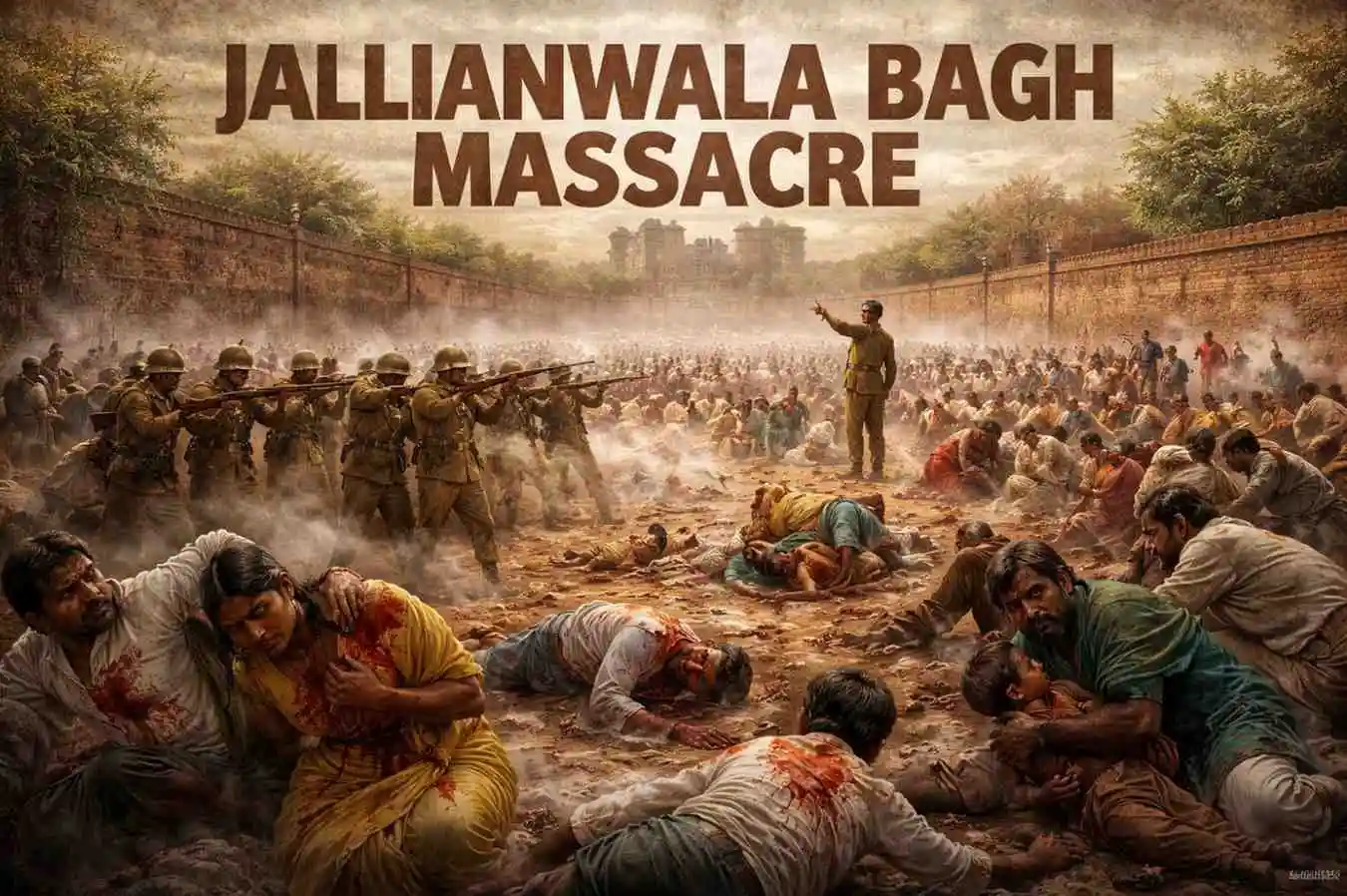
The defining moment of Udham Singh’s life came on April 13, 1919, when British troops under General Dyer opened fire on thousands of unarmed civilians gathered at Jallianwala Bagh in Amritsar.
Udham Singh was present at the site and witnessed the brutal massacre firsthand. The bloodshed left a permanent mark on his conscience and ignited a burning desire for justice. He reportedly helped the wounded and collected water for the injured, an act of humanity amidst horror.
From that moment onward, his life became devoted to avenging the innocent lives lost that day.
The Long Road to Justice
Unlike impulsive acts of revenge, Udham Singh’s mission was deliberate and patient. He spent years preparing himself mentally and ideologically. He traveled extensively, working various jobs while immersing himself in revolutionary thought.
He became associated with revolutionary organizations and was deeply influenced by the global struggle against imperialism. His commitment was not driven by hatred but by a deep sense of moral responsibility toward the victims of colonial violence.
Life Abroad and Revolutionary Ideals
Udham Singh traveled to several countries, including Kenya, Germany, and the United States, before finally settling in England. During his time abroad, he connected with freedom fighters and studied global political movements.
In London, he lived a modest life while keeping his purpose clear. He closely followed developments related to British colonial rule in India, waiting patiently for the right moment to act.
The Assassination of Michael O’Dwyer
On March 13, 1940, Udham Singh carried out the act that made him immortal in India’s freedom struggle. He assassinated Michael O’Dwyer, the former Lieutenant Governor of Punjab, who had endorsed the Jallianwala Bagh massacre.
The assassination took place at Caxton Hall in London during a public meeting. Udham Singh did not attempt to escape. Instead, he surrendered willingly, declaring that he had done so to avenge the innocent victims.
Trial and Fearless Defiance
During his trial, Udham Singh displayed extraordinary courage. He openly admitted his actions and used the courtroom as a platform to expose the brutality of British rule in India.
His statements reflected not anger, but clarity of purpose. He spoke for the oppressed, for the voiceless, and for those who had perished without justice.
His words echoed across the world, drawing attention to colonial atrocities.
Martyrdom and Immortal Legacy
Udham Singh was executed on July 31, 1940, at Pentonville Prison in London. He embraced death with dignity, becoming a martyr for India’s freedom.
Decades later, his remains were brought back to India, where he was honored as a national hero. His sacrifice remains etched in the collective memory of the nation.
Significance of Udham Singh in Indian History
Shaheed Udham Singh represents more than vengeance; he symbolizes moral resistance and unwavering commitment to justice.
His life teaches us:
-
Courage can emerge from deep suffering
-
Justice may be delayed, but it must be pursued
-
Freedom often demands personal sacrifice
His actions inspired generations of freedom fighters and continue to resonate with those who value dignity and self-respect.
Remembering Udham Singh on His Birth Anniversary
Every year, his birth anniversary is observed to honor his contribution to India’s freedom struggle. Educational institutions, cultural groups, and social organizations reflect on his life and ideals.
The observance serves as a reminder that freedom is not inherited—it is earned through sacrifice and vigilance.
Relevance in Today’s World
In an era marked by inequality, injustice, and conflict, Udham Singh’s life offers timeless lessons. His unwavering stand against oppression encourages individuals to speak truth to power.
His story teaches that justice should be pursued with courage, patience, and moral clarity—not hatred.
Lessons for Future Generations
The life of Shaheed Udham Singh inspires young minds to:
-
Stand firm for truth
-
Resist injustice peacefully yet fearlessly
-
Value freedom and human dignity
-
Serve society with integrity
These values remain essential for building a just and inclusive world.
Honoring the Spirit of Sacrifice
Remembering Udham Singh is not merely about honoring the past; it is about shaping the future. His sacrifice urges every generation to uphold justice, unity, and compassion.
The spirit of his courage continues to ignite the flame of patriotism across generations.
Conclusion
Shaheed Udham Singh’s life is a powerful chapter in India’s struggle for freedom. From witnessing the horrors of Jallianwala Bagh to delivering justice decades later, his journey reflects unmatched resilience and moral strength.
As we remember him on his birth anniversary, we reaffirm our commitment to the values he stood for—truth, justice, and dignity. His legacy remains an eternal source of inspiration for India and the world.
Click below to generate summary