Manusmriti Dahan Diwas is observed as a powerful symbol of resistance against social inequality, caste-based discrimination, and injustice embedded in ancient social structures. It commemorates the historic act of burning the Manusmriti—an ancient Hindu legal text—by Dr. B. R. Ambedkar and his followers on 25 December 1927 in Mahad, Maharashtra.
This event marked a defining moment in India’s social reform movement. It represented a strong rejection of discriminatory practices justified in the name of tradition and religion. The observance of Manusmriti Dahan Diwas continues to inspire movements advocating equality, dignity, and constitutional values.
What Is Manusmriti?
The Manusmriti, also known as the Laws of Manu, is an ancient Sanskrit text that outlines social rules, duties, and moral codes. It influenced traditional Hindu social structures for centuries.
Key Aspects of Manusmriti
-
Defined social hierarchy and duties
-
Reinforced caste-based divisions
-
Assigned different rights and punishments based on caste and gender
-
Promoted rigid social norms
While historically significant, many of its principles conflict with modern ideas of equality, justice, and human rights.
Why Manusmriti Dahan Took Place
Social Inequality and Oppression
For centuries, lower-caste communities in India faced systemic oppression justified through religious and social texts. These injustices included:
-
Denial of education
-
Untouchability
-
Social exclusion
-
Economic exploitation
Dr. B. R. Ambedkar believed that true social reform could not occur unless the ideological foundations of inequality were challenged.
The Historic Event of 1927
Mahad Satyagraha and Manusmriti Dahan
On 25 December 1927, during the Mahad Satyagraha, Dr. B. R. Ambedkar led thousands of followers in publicly burning copies of the Manusmriti.
This act symbolized:
-
Rejection of caste oppression
-
Assertion of human dignity
-
Demand for social equality
The event was not an attack on religion but a protest against social injustice justified through religious interpretation.
Philosophy Behind Manusmriti Dahan
Dr. Ambedkar emphasized that social reform must precede political freedom. He believed that:
-
Equality is a fundamental human right
-
Social hierarchy weakens democracy
-
Justice must be based on rational thought, not tradition
The burning of Manusmriti represented the rejection of discriminatory ideologies and the affirmation of human dignity.
Role of Dr. B. R. Ambedkar
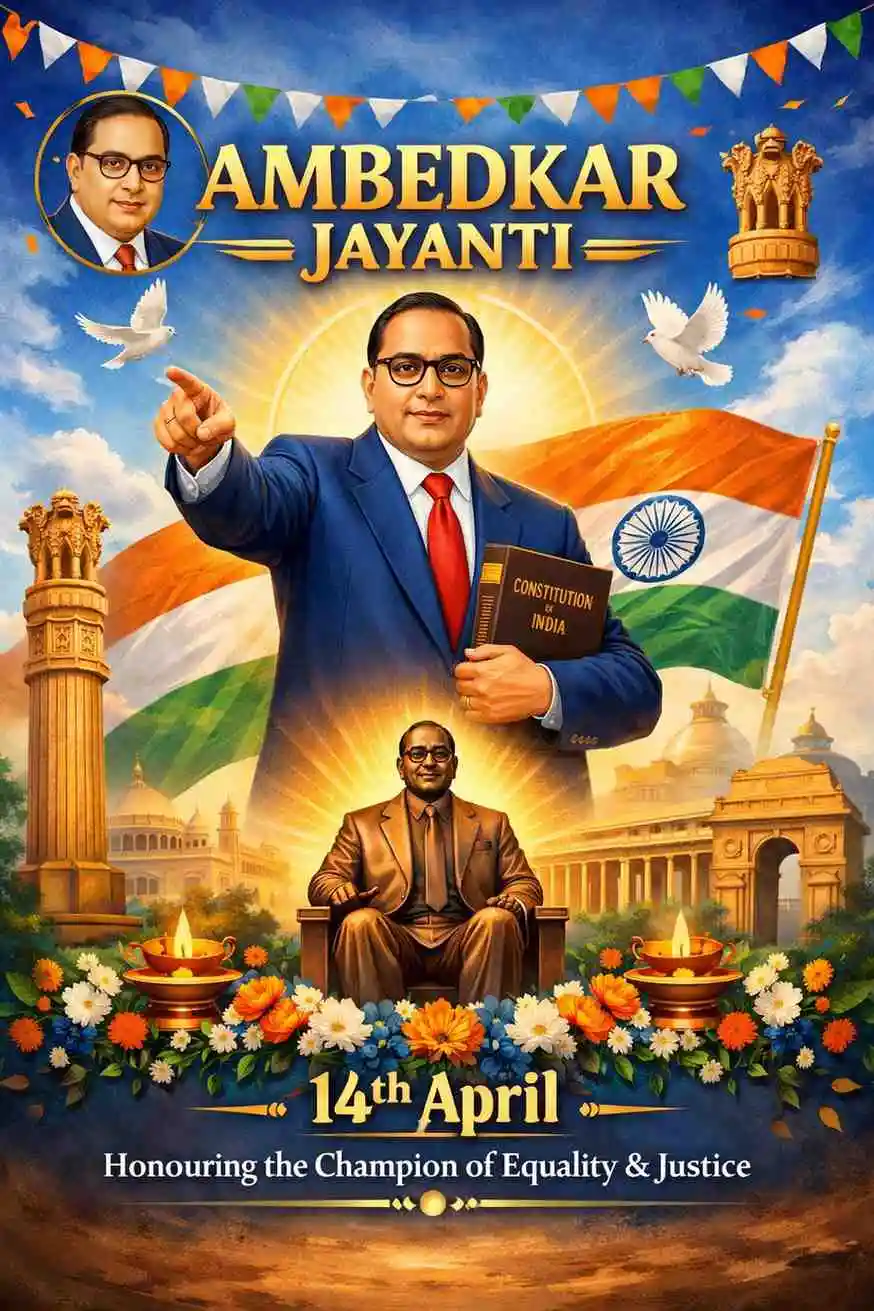
Architect of Social Justice
Dr. Ambedkar was a scholar, jurist, economist, and social reformer. His work focused on uplifting marginalized communities through education, legal reform, and social awareness.
Key Contributions
-
Drafting the Indian Constitution
-
Advocating for equality and civil rights
-
Fighting caste-based discrimination
-
Promoting education among marginalized groups
His leadership during the Manusmriti Dahan movement remains a cornerstone of social justice history in India.
Importance of Manusmriti Dahan Diwas
Symbol of Resistance
Manusmriti Dahan Diwas symbolizes the courage to question unjust traditions and challenge oppressive systems.
Awareness and Education
The day encourages critical thinking about:
-
Social inequality
-
Constitutional values
-
Human rights
Promotion of Equality
It reinforces the idea that dignity and freedom are universal rights.
Social Impact of Manusmriti Dahan
The movement had a profound impact on Indian society:
-
Strengthened anti-caste movements
-
Inspired social reform organizations
-
Encouraged legal and constitutional reforms
-
Empowered marginalized communities
It laid the groundwork for future struggles for equality and justice.
Manusmriti Dahan and the Indian Constitution
The ideals represented by Manusmriti Dahan directly influenced the values enshrined in the Indian Constitution.
Key Constitutional Principles
-
Equality before law
-
Prohibition of discrimination
-
Freedom of expression
-
Right to dignity
Dr. Ambedkar ensured that constitutional morality replaced social hierarchy.
Modern Relevance of Manusmriti Dahan Diwas
Even today, caste discrimination and social inequality persist in various forms. Observing Manusmriti Dahan Diwas helps society:
-
Reflect on social progress
-
Address ongoing inequalities
-
Promote inclusive development
It remains a reminder that social justice is a continuous process.
How Manusmriti Dahan Diwas Is Observed Today
Across India, the day is marked by:
-
Public discussions and seminars
-
Educational programs
-
Rallies and peaceful demonstrations
-
Readings of Dr. Ambedkar’s writings
These activities aim to promote awareness and dialogue.
Criticism and Misunderstandings
Some view Manusmriti Dahan as controversial. However, supporters emphasize that:
-
The protest targeted discriminatory ideas, not faith
-
It encouraged reform, not division
-
It promoted equality, not hatred
Understanding historical context is essential for meaningful dialogue.
Role of Youth and Education
Young people play a vital role in continuing the legacy of social reform.
Educational Initiatives Include
-
Teaching constitutional values
-
Promoting social harmony
-
Encouraging critical thinking
Education remains the most powerful tool for transformation.
Global Perspective on Social Justice Movements
Similar movements across the world have challenged inequality and discrimination. Manusmriti Dahan aligns with global efforts toward:
-
Human rights
-
Social equality
-
Freedom from oppression
It represents India’s contribution to global social justice discourse.
Lessons from Manusmriti Dahan
Key lessons include:
-
Courage is essential for social change
-
Justice must be inclusive
-
Traditions should evolve with human values
These lessons remain relevant in contemporary society.
The Way Forward
To honor the spirit of Manusmriti Dahan Diwas, society must:
-
Strengthen education systems
-
Promote equality and empathy
-
Uphold constitutional values
True progress lies in unity, understanding, and justice.
Conclusion
Manusmriti Dahan Diwas stands as a powerful reminder of India’s struggle against social injustice. It symbolizes resistance, reform, and the pursuit of equality. By remembering this historic event, society reaffirms its commitment to dignity, human rights, and democratic values.
The legacy of this movement continues to inspire generations to challenge inequality and work toward a just and inclusive future.
Click below to generate summary