The year 1947 was a crucial and emotional time in modern Indian history. It marked the end of British colonial rule and the division of the Indian subcontinent into two independent nations, India and Pakistan. This significant change stemmed from a painful decision made by the Indian National Congress to accept the proposal for the Partition of India.
For decades, the Congress had promoted the idea of a united, secular India and opposed division based on religion. Yet, in 1947, this same organization agreed to a plan that split the country, displaced millions, and led to one of the largest migrations in human history. This decision was not made lightly and was influenced by a mix of political deadlock, communal tensions, British strategies, and the urgent need to avoid a civil war.
Background: British Rule and the Rise of Indian Nationalism
British rule in India officially began in 1858 and changed the subcontinent politically, economically, and socially. Colonial governance centralized power, altered institutions, and introduced Western education while causing significant economic exploitation and social inequality.
The Indian National Congress, founded in 1885, initially sought modest reforms within the British system. Over time, it developed into a mass movement demanding full independence. Leaders like Mahatma Gandhi, Jawaharlal Nehru, and Sardar Vallabhbhai Patel turned the Congress into a nationwide organization that represented various communities.
By the early 20th century, nationalism was deeply rooted. However, differing political visions, religious identities, and representation issues began to complicate the struggle for freedom.
The Emergence of Communal Politics
Communal politics did not form overnight. British policies, such as separate electorates and census-based classifications, gradually reinforced religious identities. The Muslim League, founded in 1906, aimed to protect Muslim interests within a unified India.
Over time, mistrust between political groups grew. The Congress claimed to represent all Indians, but many Muslim leaders felt marginalized in a Hindu-majority nation. Political negotiations, election results, and varying interpretations of nationalism intensified these concerns.
By the 1930s and 1940s, communal divides had become entrenched, making compromise increasingly difficult.
The Idea of Partition Gains Momentum
The idea of partition gained significant traction with the Lahore Resolution of 1940, in which the Muslim League called for independent states for Muslims in the northwestern and eastern parts of India. Although the initial demand was vague, it eventually became a clear call for Pakistan.
The Congress opposed this idea firmly, believing that India’s unity was vital for its strength and stability. Leaders thought that religious diversity could thrive within a democratic framework. However, political realities began to challenge this vision.
World War II and Its Impact on Indian Politics
World War II significantly changed the balance of power. Britain’s weakened position made Indian independence inevitable, but it also intensified internal divisions. The Congress initiated the Quit India Movement in 1942, demanding the immediate withdrawal of British forces.
In contrast, the Muslim League allied with the British during the war, gaining political power. This period widened the gap between the two organizations and reduced chances for reconciliation.
By the end of the war, Britain was eager to leave India quickly, even if it meant leaving unresolved political issues behind.
Failed Attempts at Unity
Several attempts were made to maintain Indian unity. The Cripps Mission, Cabinet Mission Plan, and various negotiations sought to establish a federal structure that could satisfy all groups.
The Cabinet Mission Plan of 1946 proposed a united India with significant provincial autonomy. The Congress initially accepted the plan with some reservations, while the Muslim League ultimately rejected it, demanding full sovereignty for Pakistan.
The failure of these negotiations marked a turning point. Political deadlock led to rising violence.
Communal Violence and Administrative Breakdown
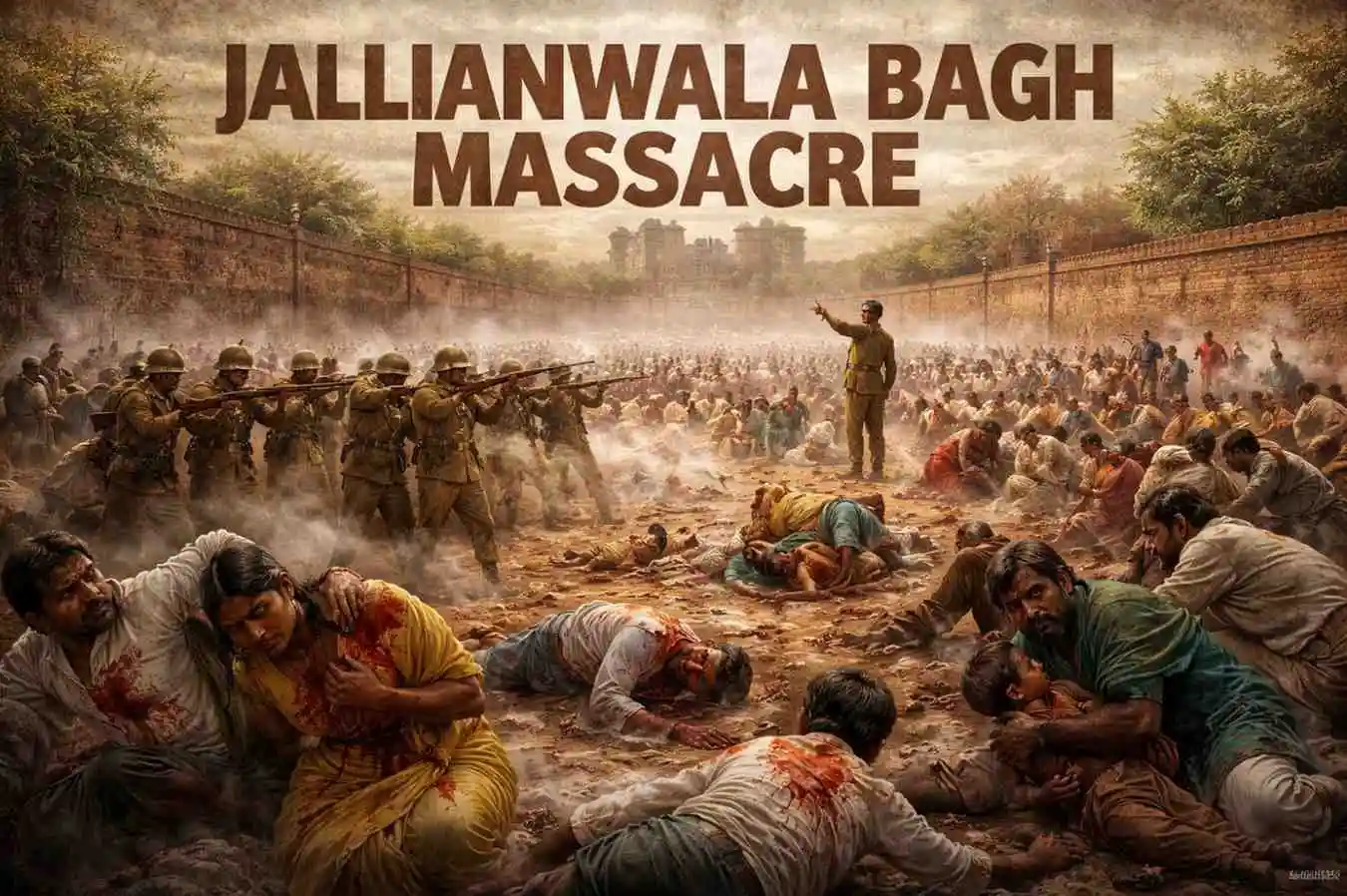
By 1946 and 1947, communal riots broke out in several regions, including Bengal and Punjab. Thousands lost their lives, and fear spread rapidly. The British administration struggled to maintain order, while political leaders faced intense pressure to halt further bloodshed.
The Congress leadership worried that ongoing conflict could result in civil war. The potential for delayed independence or descent into chaos grew increasingly likely.
In this atmosphere of urgency and instability, the idea of Partition shifted from unacceptable to viewed as a tragic but necessary solution.
Why the Indian National Congress Accepted Partition
The Congress accepted the Partition proposal in 1947 for several interconnected reasons:
First, leaders felt that continued resistance would lead to widespread violence. The immediate objective shifted to saving lives, even at the expense of territorial unity.
Second, the British indicated they would not enforce unity. A swift transfer of power was planned, and governance would soon be entirely in Indian hands.
Third, Congress leaders worried that rejecting Partition could empower extremist factions and undermine democratic institutions in the new nation.
Finally, they believed that a smaller, stable India could eventually concentrate on nation-building without constant political gridlock.
The Role of Key Congress Leaders
Mahatma Gandhi
Gandhi opposed Partition until the end, believing it violated moral principles and national unity. However, he ultimately respected the collective decision of the leadership, prioritizing peace over ideology.
Jawaharlal Nehru
Nehru found Partition deeply painful but necessary. He felt that prolonged conflict would threaten India’s future and that independence, even with division, was better than ongoing colonial rule.
Sardar Vallabhbhai Patel
Patel played a crucial role in accepting Partition. He argued that a clear division would prevent endless internal conflicts and allow India to strengthen politically and administratively.
The Mountbatten Plan and Final Decision
The Mountbatten Plan of June 1947 laid out the Partition of British India. The Congress Working Committee accepted the plan, acknowledging the realities faced by the country.
This acceptance set the stage for independence on 15 August 1947, signifying both liberation and loss. The decision was historic, irreversible, and transformative.
Human Consequences of Partition
The Partition resulted in the displacement of almost 14 million people and caused about one million deaths. Families were separated, communities destroyed, and deep scars left on the collective memory of the subcontinent.
Though the Congress accepted Partition as a political necessity, the human cost remains a tragedy that continues to influence regional relations and social narratives.
Long-Term Impact on India
The acceptance of Partition shaped India’s political structure, foreign policy, and national identity. The country adopted a secular constitution that emphasized unity in diversity.
India also faced immediate challenges like refugee rehabilitation, economic restructuring, and the integration of princely states. Despite these difficulties, the nation began a democratic journey that continues today.
Historical Debate and Reinterpretation
Historians still debate whether Partition was inevitable or if it could have been avoided. Some argue that better negotiation and trust-building might have preserved unity, while others believe the divisions were too deep.
The Congress’s decision is often viewed as a choice made under heavy pressure rather than an ideological compromise.
Conclusion
The acceptance of the Partition proposal by the Indian National Congress in 1947 is one of the most complex and emotionally charged decisions in Indian history. It was not a moment of triumph but one of painful realism. Facing escalating violence, political deadlock, and the urgent British exit, Congress leaders opted for independence instead of unity and stability over prolonged conflict.
This decision changed the fate of millions and defined the geopolitical landscape of South Asia. While Partition caused tremendous suffering, it also marked the creation of a sovereign India dedicated to democracy, secularism, and social justice. Understanding this moment helps us recognize the tough choices that shape nations and reminds us that history is often made through compromise, sacrifice, and resilience.
Click below to generate summary