The Battle of Bhima Koregaon, fought on 1 January 1818, stands as one of the most significant events in Indian history, particularly within the context of Dalit resistance and social justice. Though militarily small in scale, its symbolic importance has grown immensely over time. The battle took place near the village of Koregaon, on the banks of the Bhima River, in present-day Maharashtra.
For many, this event represents courage, resistance, and the assertion of dignity by communities that had long faced oppression. It is remembered not just as a military confrontation but as a turning point in social consciousness, especially for Dalits in India.
Historical Background of the Battle
To understand the Battle of Bhima Koregaon, one must look at the broader political and social conditions of early 19th-century India. At that time, the Maratha Empire, under the Peshwa rule, was declining. The British East India Company was expanding its influence across the Indian subcontinent.
The Peshwas, who ruled from Pune, had a rigid caste hierarchy. Many communities, especially Dalits (then referred to as “untouchables”), were subjected to extreme discrimination and exclusion. They were denied basic human rights and often treated with cruelty.
In contrast, the British East India Company recruited soldiers from various marginalized communities, including Mahars. Though colonial rule had its own injustices, military service provided some social mobility and dignity that was otherwise unavailable.
The Battle of 1 January 1818
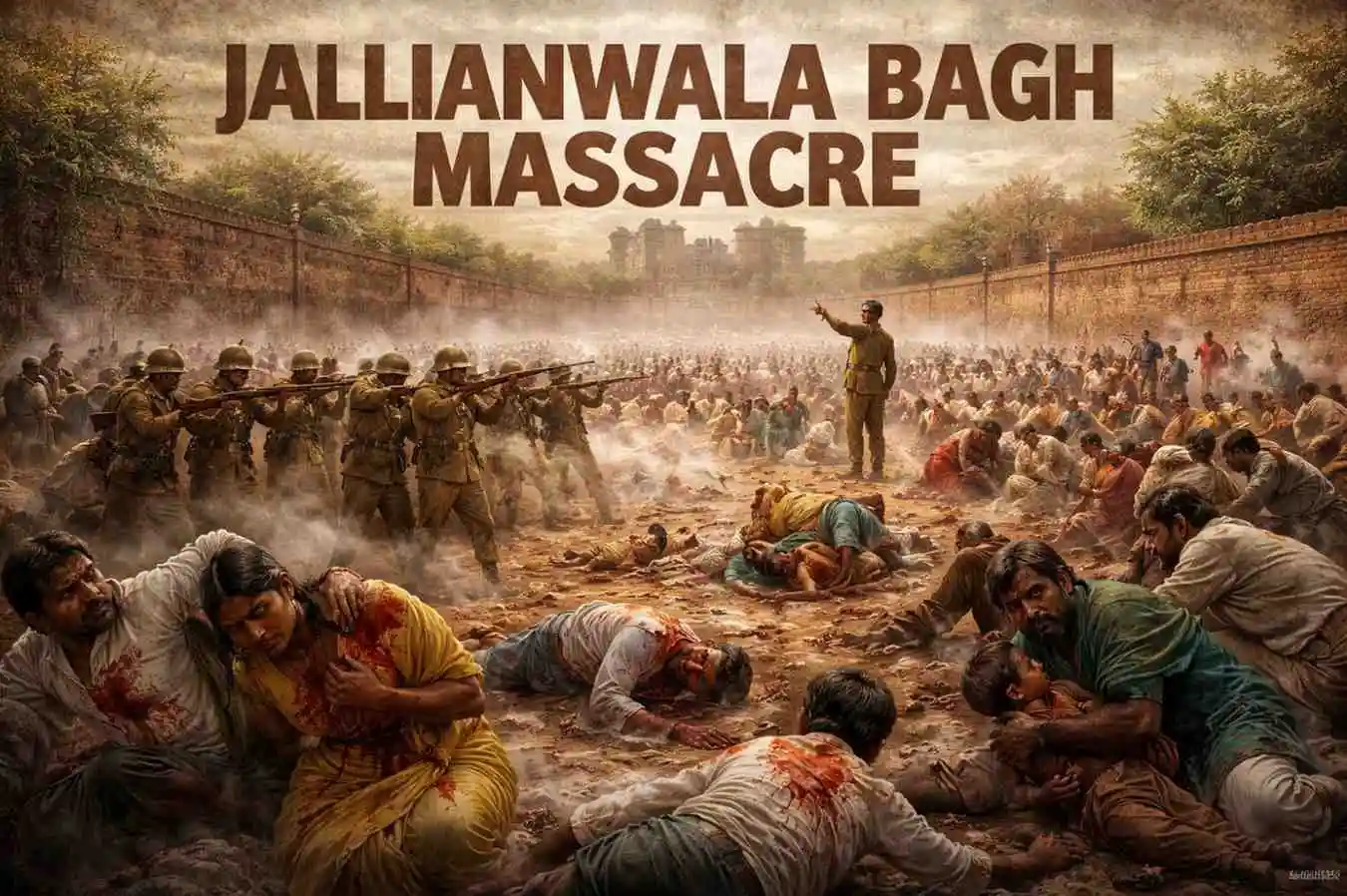
The battle took place when a small force of around 800 soldiers from the British East India Company, including a significant number of Mahar soldiers, confronted a much larger army of the Peshwa, estimated at over 20,000 troops.
Despite being heavily outnumbered, the British-led forces managed to resist and eventually force the Peshwa’s army to retreat. The engagement lasted several hours and resulted in heavy casualties on both sides.
Although the British technically claimed victory, the importance of the battle lies more in its social and symbolic meaning than in military strategy.
Role of Mahar Soldiers
The participation of Mahar soldiers is central to the historical importance of the Battle of Bhima Koregaon. At a time when they were treated as untouchable and denied basic dignity, their role in defeating the Peshwa’s forces became a symbol of resistance against caste oppression.
Their bravery challenged the social order that had marginalized them for centuries. This moment is remembered as a powerful assertion of human dignity and equality.
The Victory Pillar (Vijay Stambh)
After the battle, the British erected a memorial known as the Vijay Stambh (Victory Pillar) at Koregaon. The names of soldiers who lost their lives, including many from the Mahar community, were inscribed on it.
Over time, this pillar became more than a war memorial. It transformed into a symbol of pride, resistance, and self-respect for Dalits across India.
Every year on 1 January, thousands gather at Bhima Koregaon to pay tribute to those who fought and to reaffirm the values of equality and justice.
Bhima Koregaon and Dalit Identity
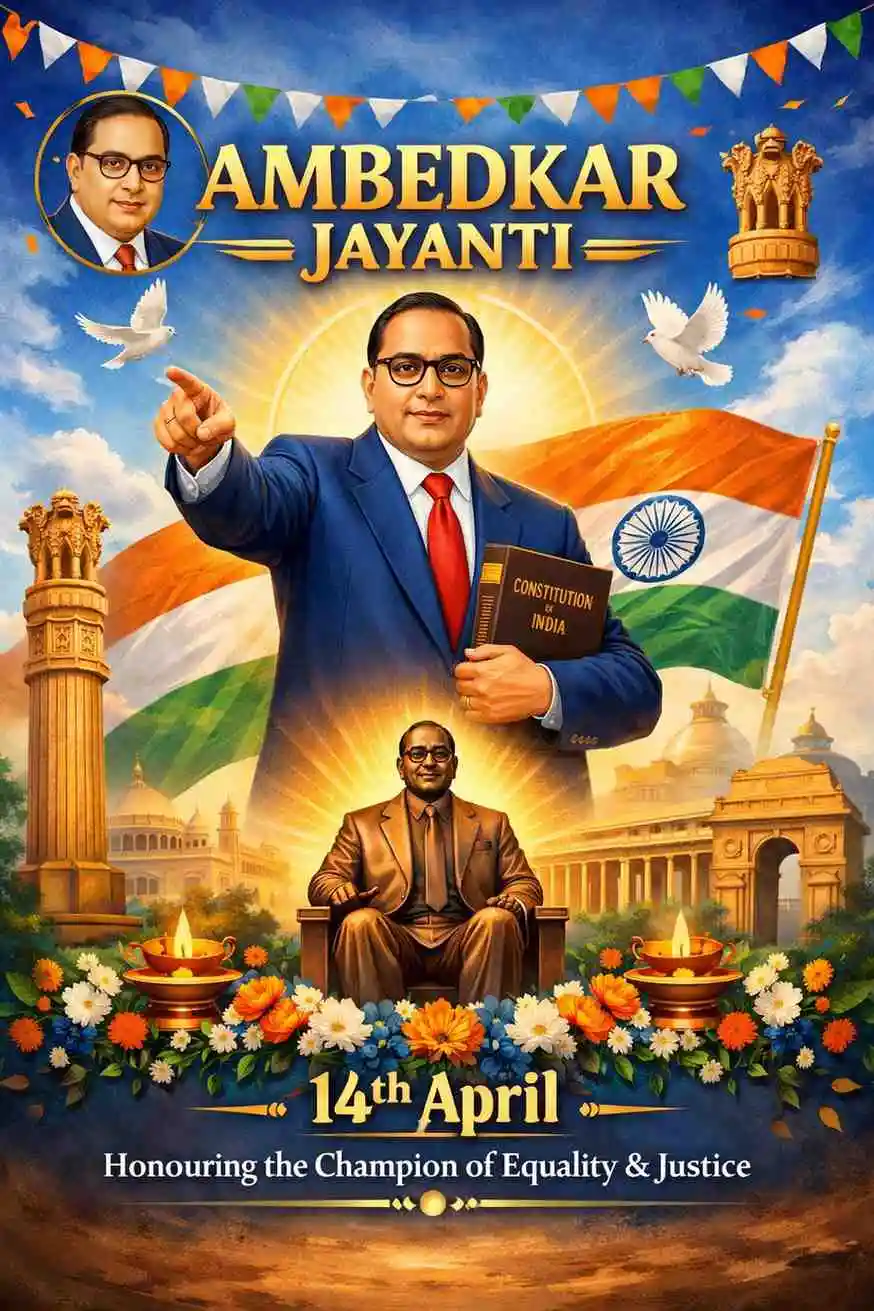
The significance of Bhima Koregaon grew immensely in the 20th century, particularly through the influence of Dr. B. R. Ambedkar, the chief architect of the Indian Constitution and a leading voice for Dalit rights.
Dr. Ambedkar viewed the battle as a symbol of resistance against caste-based oppression. His visit to the memorial in 1927 inspired generations to see the event as a moment of empowerment rather than colonial collaboration.
For many Dalits, Bhima Koregaon represents self-respect, courage, and the struggle for equality in a deeply hierarchical society.
Social and Political Impact
Over the decades, Bhima Koregaon has evolved into a powerful socio-political symbol. It plays an important role in discussions around caste, justice, and historical memory in India.
The annual gatherings have become spaces for dialogue, protest, and solidarity. They highlight ongoing struggles against discrimination and remind society of the need for equality and human rights.
The event also challenges dominant historical narratives by bringing marginalized voices to the forefront.
Controversies and Modern Debates
While Bhima Koregaon holds deep meaning for many, it has also been surrounded by controversy. Political debates, conflicting historical interpretations, and occasional violence have made it a sensitive topic.
Some critics argue that the battle should be viewed purely as a colonial conflict, while others emphasize its importance as a symbol of social justice. These differing perspectives reflect broader debates about history, identity, and power in modern India.
Despite disagreements, the continued relevance of Bhima Koregaon highlights the unresolved issues of caste and inequality.
Cultural and Educational Importance
Bhima Koregaon has inspired literature, poetry, songs, academic research, and public discourse. It has become an important subject in Dalit literature and social thought.
Educational discussions around the battle encourage critical thinking about history, power structures, and representation. They also emphasize the importance of inclusive narratives that acknowledge marginalized voices.
Also Read: Treaty of Surji-Arjungaon (1803)
The Battle’s Relevance Today
Even more than two centuries later, the Battle of Bhima Koregaon remains deeply relevant. It serves as a reminder that social justice is an ongoing struggle, not a completed task.
In contemporary India, where debates around equality, dignity, and human rights continue, Bhima Koregaon symbolizes resilience and hope. It inspires individuals and communities to challenge injustice peacefully and persistently.
A Symbol Beyond Time
The legacy of Bhima Koregaon goes beyond a single historical event. It represents the universal values of courage, resistance, and self-respect. It encourages societies to confront uncomfortable truths and work toward fairness and inclusion.
For many, the memory of 1 January 1818 is not about victory or defeat—it is about dignity reclaimed.
Conclusion
The Battle of Bhima Koregaon stands as a defining moment in Indian history, especially in the context of Dalit identity and resistance. It reminds us that history is not just about rulers and empires, but also about ordinary people who dared to challenge injustice.
As India continues to evolve, the lessons of Bhima Koregaon remain relevant. They urge us to build a society rooted in equality, respect, and shared humanity. Remembering this battle is not just about the past—it is about shaping a more just future.
Click below to generate summary